Teaching Children the Art of Emotional Regulation
21 March 2026
Let’s face it—kids feel things intensely. One minute they’re laughing at the dog chasing its tail, and the next, they’re melting into a puddle of tears because their toast got cut the “wrong” way. Sound familiar?
As parents, it's easy to feel blindsided by these emotional rollercoasters. But here's the thing: emotional regulation isn’t something kids just wake up knowing how to do. It's a skill. Just like riding a bike or tying shoelaces. And just like any skill, it can be taught—with patience, understanding, and a good sense of humor.
In this post, we're diving deep into teaching children the art of emotional regulation. It's not only doable, but it's also one of the most valuable gifts you can give your child. Let’s break it down, step by step, in a way that won't make your eyes glaze over.
Why Emotional Regulation Matters More Than You Think
Before we dive into the "how," let’s talk about the "why." Why is emotional regulation such a big deal?Well, when a child learns to understand, express, and manage their emotions, it sets the stage for:
- Healthier relationships (with you, their friends, and eventually, co-workers or partners)
- Better problem-solving and decision-making skills
- Improved learning and academic performance
- A stronger sense of self-worth and confidence
Imagine giving your child the tools to handle disappointment, rejection, excitement, and frustration without throwing a tantrum (well, most of the time). That’s the power of emotional regulation.
It's like giving them an internal compass for life's inevitable ups and downs.
What Does Emotional Regulation Look Like in Real Life?
Think of emotional regulation as your child’s emotional thermostat.Rather than letting their feelings blast through the roof like a broken AC unit on a hot summer day, a regulated child learns to recognize what they’re feeling and adjusts accordingly.
It doesn’t mean they won’t cry or get angry. It means:
- They can pause before reacting
- They can use words to express emotions
- They can calm themselves without a full-blown meltdown
Pretty powerful, right?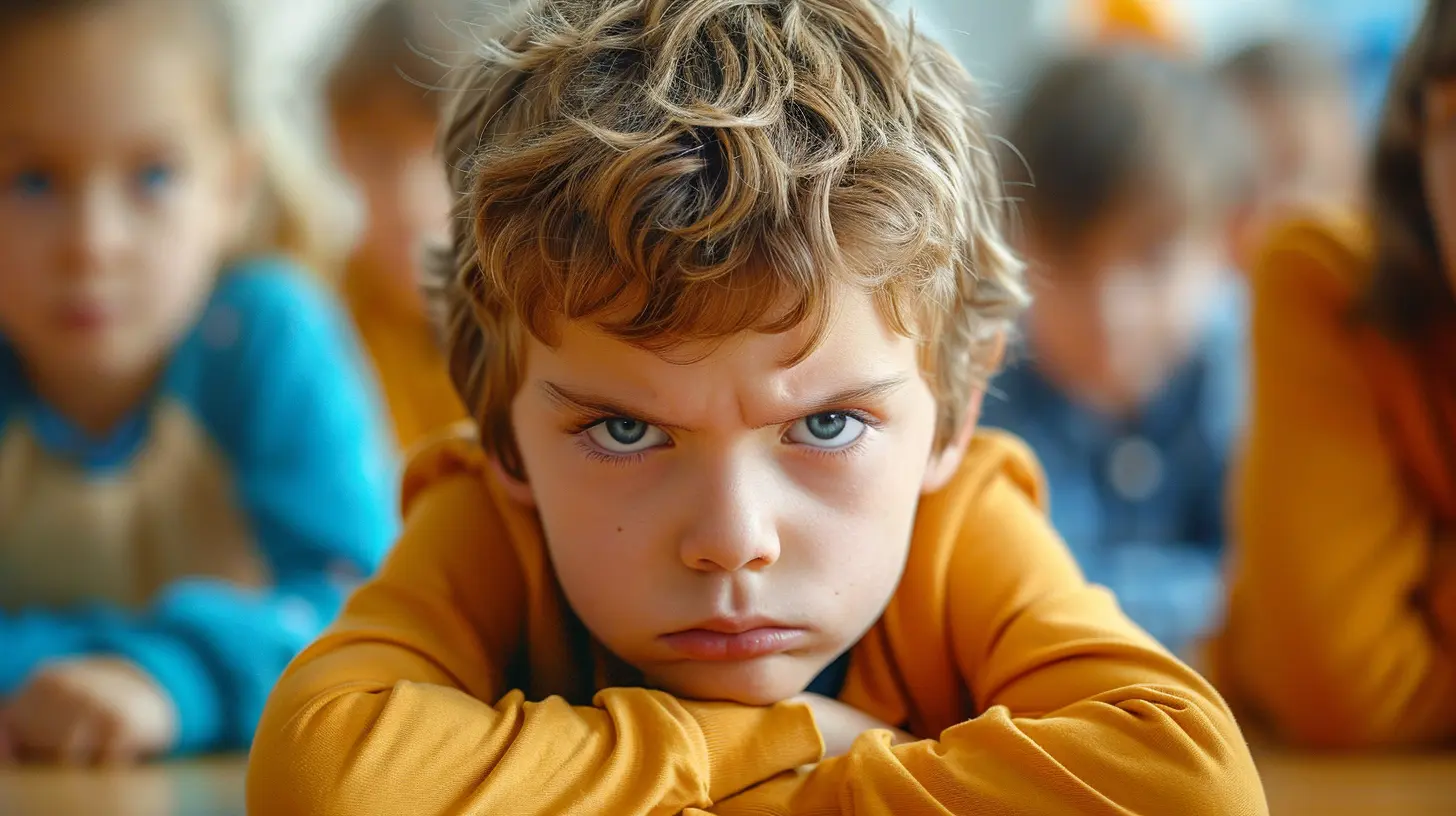
Start With You: The Parent’s Role in Emotional Regulation
Okay, deep breath—this one's important.Your child learns the bulk of their emotional habits from… you. Yep, that means your ability to stay calm under pressure (or not) teaches them how to respond in tough situations too.
Let’s be real—no one is perfectly regulated all the time. But if you can model what handling emotions looks like—talking through feelings, taking a breather, admitting when you’re overwhelmed—you’re showing your child it’s okay to have big emotions, and that there’s a healthy way to deal with them.
So, if you lose it after a long day and snap at your kid for spilling juice, don’t panic. Just model repair: “Hey buddy, I was really tired, and I shouldn’t have yelled. I’m sorry. Next time I’ll try to stop and take a breath.”
Boom. That’s regulation in action.
Age-Appropriate Emotional Expectations
Before you expect your three-year-old to express their anger with words instead of throwing blocks, it’s important to know what’s realistic.Here’s a quick snapshot:
- Toddlers (1–3 years): Emotional regulation is almost non-existent. Your job is to name the emotion and offer comfort ("You’re mad because you wanted another cookie. It’s okay to be mad. I’m here with you.")
- Preschoolers (3–5 years): They begin to recognize feelings and might express them better, but there’s still a ton of impulsivity.
- School-age Kids (6–12 years): They can start to learn specific strategies to calm down, express themselves clearly, and even help others regulate.
- Teens: Emotional regulation gets trickier (hello, hormones), but they have the brainpower to understand complex emotions and self-soothing techniques.
Point is—don’t expect perfection. Emotional control is a marathon, not a sprint.
Teach the Language of Emotions
If your child can’t name what they're feeling, how can they handle it?Start by helping them build a vocabulary of emotions. Go beyond basic happy/sad/mad. Introduce words like:
- Frustrated
- Disappointed
- Anxious
- Embarrassed
- Overwhelmed
- Excited
- Grateful
Use books, movies, or even your own experiences to talk about feelings. “Wow, Moana looked really determined, didn’t she? I think she was also scared, but she didn’t let it stop her.”
Label emotions often: “You look really frustrated that your tower fell over. Want to try again together?”
The more words your child has, the more power they have to express instead of explode.
Validate First, Fix Later
When your child is upset, our parent instincts often kick in: How can I solve this?But sometimes, children don’t need a solution—they need connection.
Let’s say your daughter is crying because her best friend didn’t play with her at recess. Instead of jumping into “Don’t worry, you’ll make other friends!” try:
“That must’ve felt really lonely. I’d be sad too if my friend left me out.”
Validation doesn't mean you agree. It just means you’re acknowledging their emotion. Once they feel understood, they’re more open to advice, solutions, or even just a hug.
Practice Calm-Down Strategies (Before the Storm)
Here’s the kicker—teaching regulation strategies during a meltdown rarely works. You’ve got to prepare during the calm times.Here are some child-friendly techniques to teach and practice:
- Deep Breathing: Teach them to “smell the flower, blow out the candle.” Simple and effective.
- Counting Backwards: From 10 to 1—it helps shift focus.
- Hug a Stuffed Animal: Physical touch soothes the nervous system.
- Mindfulness and Body Scans: Say, “Notice your toes… now your belly… now your arms…”
- Draw It Out: Drawing their feelings can be a lifeline, especially for younger kids who struggle with words.
- Have a Calm Corner: Not a punishment zone, but a safe cozy area with sensory toys, books, and soft pillows.
It’s all about finding what works for your child—and practicing it consistently.
Use Stories and Role Play
Kids love to play. So why not use it to teach?Role-play different scenarios: “Let’s pretend you're at school and someone cuts in line. What could you say? How would your body feel?”
Make up stories where characters face difficult emotions and work through them. Ask your child, “How do you think Sammy the Squirrel feels right now? What could he do to feel better?”
Turning emotional lessons into games makes them stick way better than lectures ever could.
Be Consistent, But Flexible
There’s no one-size-fits-all approach to emotional regulation. Different kids have different sensitivities, triggers, and coping styles.What matters is showing up consistently. Keep using the language of emotions, offering strategies, and modeling calm behavior even when it feels like you’re shouting into the void.
Some days you’ll feel like an emotional ninja. Other days, you’ll question everything. That’s parenting. The important thing is to keep showing up.
Red Flags: When to Seek Help
Let’s be clear—big feelings are normal. Tantrums, crying, defiance—they’re all part of the parenting package.But sometimes, emotional struggles go beyond the usual.
If your child:
- Hurts themselves or others regularly
- Cannot calm down even after a long time
- Has explosive reactions daily
- Can’t sleep or concentrate due to emotional distress
- Seems withdrawn or depressed
…it may be worth speaking with a pediatrician or child therapist. There’s no shame in asking for help. Sometimes, a little professional guidance can make all the difference.
Final Thoughts: It’s a Journey, Not a Destination
Here’s a little truth bomb for you—emotional regulation isn't about teaching your child how not to feel.It’s showing them that all feelings are okay. It's what we do with those feelings that counts.
You're not trying to raise a robot who never gets angry or sad. You’re raising a compassionate, resilient human who can face the world, weather the storms, and treat themselves and others with kindness—even in the middle of chaos.
So next time your child bursts into tears or yells “I hate you!” think of it as a teaching moment, not a failure.
You're helping them build emotional muscles one conversation, one deep breath, one meltdown at a time.
And that? That’s powerful parenting.
all images in this post were generated using AI tools
Category:
Emotional DevelopmentAuthor:

Maya Underwood
Discussion
rate this article
2 comments
Mia Heath
Teaching kids emotional regulation is like teaching them to ride a bike: they’ll wobble, fall, and perhaps blame the bike for their woes. But with a little patience and a lot of practice, they’ll be zooming past their feelings in no time!
April 2, 2026 at 4:55 AM
Maya Underwood
Absolutely! Just like riding a bike, emotional regulation takes time and support. With guidance, kids can master their feelings and move forward confidently.
Faryn Campbell
This article offers valuable insights into helping children understand and manage their emotions. Practical strategies and relatable examples make it easier for parents to guide their kids toward emotional resilience. Great read!
March 25, 2026 at 4:30 AM
Maya Underwood
Thank you for your kind words! I'm glad you found the strategies helpful. It's so important to equip kids with tools for emotional resilience.