Rewards vs. No Rewards: Choosing the Right Motivation for Your Child
31 December 2025
Parenting is like trying to defuse a bomb with spaghetti—messy, unpredictable, and often mind-boggling. One minute your child is happily brushing their teeth, and the next they’re face down on the bathroom floor because the toothpaste didn't sparkle like last time. Sound familiar?
Now, throw in the never-ending debate of “rewards vs. no rewards” and you feel like you're trying to solve a Rubik’s Cube with oven mitts. So, how do you motivate your kiddo to do chores, homework, or even just put on pants in the morning without turning into a bribery machine?
Let’s dive into this fun and slightly chaotic world of child motivation. I’m here to help you weigh both sides and (hopefully) find a method that keeps your household from total anarchy.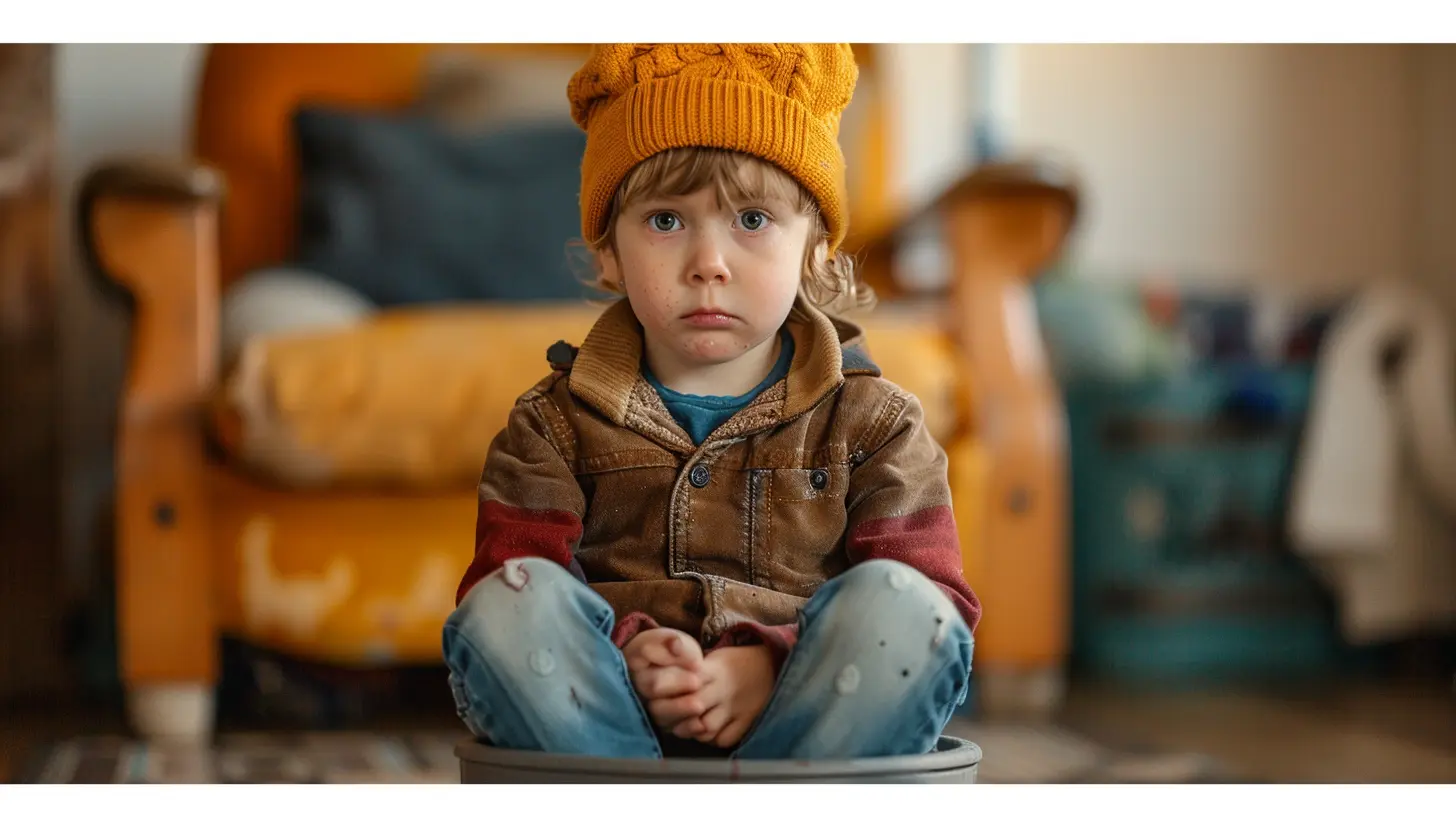
Why Motivation Matters (Yes, Even for Toddlers)
First off, let’s agree on one thing: kids aren’t lazy. They’re just little humans trying to figure out the insanely confusing world around them. Motivation is the fuel behind every action, from cleaning up Lego piles to sharing toys at preschool.The way we nudge—okay, shove—our kids towards desirable behavior shapes how they see achievement, effort, and even failure later in life. So yeah, it’s kind of a big deal.
But here’s the kicker: it’s not just about getting them to do something. It’s about how they feel about doing it. Are they doing it because they find it meaningful? Or are they doing it to get a cookie?
Time to break it down.
The Case for Rewards: Sweet Treat or Slippery Slope?
Ah, rewards. The golden ticket. The M&Ms for each potty trip. The dollar for mowing the lawn. The screentime after finishing homework. It works...until it doesn’t.When Rewards Work Like Magic 🎉
Let’s be real—rewards feel good. Not just for kids, but for us too. You get peace, they get a treat. Win-win, right?- Short-term wins: Rewards are great for jumpstarting habits. Turning a “no way” into a “fine, I’ll do it.”
- Clear goals: Kids know exactly what they need to do to earn the prize.
- Positive reinforcement: When used well, rewards can build confidence and reinforce good behavior.
Ever used a sticker chart that actually worked? Then you know the power of those tiny squares.
When Rewards Backfire 🚨
Now, here’s where it gets tricky. Rely too much on rewards, and you might raise a tiny negotiator who won’t lift a finger unless something’s in it for them.- External motivation only: Kids might focus on the reward instead of the activity itself.
- Bribery alert: If you find yourself saying “If you do this, I’ll give you that” 25 times a day...you might be in bribery territory.
- Bigger, Better Syndrome: Once a child gets used to one reward, they might expect more next time.
It’s like giving your dog treats. At first, they obey. But eventually, they stop listening unless you're holding a full rotisserie chicken.
The No-Rewards Approach: Intrinsic Motivation FTW
Now let’s flip the coin. What about no rewards? Just good ol’ fashioned values and encouragement?What Is Intrinsic Motivation Anyway?
Intrinsic motivation is that warm fuzzy feeling of doing something just because it feels good, interesting, or right. No prizes. No gold stars. Just genuine involvement.Think of it like this: floating on a pool on a sunny day versus being dragged around by a motorboat. One is peaceful; the other is exhausting.
Pros of Going Reward-Free 🌈
- Long-term behavior: Kids are more likely to internalize habits and values when they’re not doing it for a prize.- Sense of autonomy: They make choices because it matters to them—not because of external pressure.
- Encourages growth mindset: Kids learn that effort, not just results, is worthy of pride.
Imagine a child who puts away toys because they value cleanliness, not because they were promised a gummy bear. That's powerful stuff.
But It’s Not All Rainbows and Unicorns…
Let’s be honest—this method requires boatloads of patience. And sometimes? You want results now. Like, in the next five minutes.- Slower process: Building intrinsic motivation can take time. A loooot of time.
- Harder to measure: You don’t always see immediate results like with a sticker chart.
- Kids may resist: Especially if they’re used to rewards. They might look at you like, “Wait, what? No prize?”
So…Which Approach Is Better?
Here’s the truth bomb: neither method is one-size-fits-all. And guess what? You don’t have to choose just one.Most parents dance between the two. Think of it like a motivational smoothie—you blend what works.
The Hybrid Approach: A Little Carrot, A Lot of Heart 🥕❤️
This is where most of us land. Sometimes you offer a reward. Sometimes you appeal to their inner sense of pride, empathy, or curiosity.Think of it as teaching your child to ride a bike. You start with training wheels (external motivation), and slowly they gain balance and confidence (internal motivation). Eventually, they’re riding on their own, eager to explore the world.
How to Blend Both Approaches Like a Pro
1. Start With Rewards, Fade Over TimeUse rewards to get things rolling, but make them less frequent. Over time, focus on the behavior itself.
2. Praise the Process, Not Just the Outcome
“I love how hard you worked on that puzzle!” beats “Here’s a cookie for finishing it.”
3. Set Clear Expectations Without Bribes
Instead of “If you clean your room, you get candy,” try “Our job is to take care of our space. Let’s make it fun.”
4. Use Natural Consequences
Forgot your homework? You deal with what happens at school. It teaches responsibility without punishment.
5. Let Them Choose
Give kids a say. Asking “Would you rather clean your room now or after dinner?” gives them ownership.
Real Talk: What Actually Motivates Kids?
Here’s a little parenting secret—they want connection, autonomy, and to feel capable. Yes, more than candy (most of the time). Tapping into those inner needs is more powerful than any prize.- Connection: “It really helps me when you put your dishes in the sink.”
- Autonomy: “You can decide how to tackle your homework today.”
- Competence: “I noticed how well you handled that tricky math problem!”
When kids feel seen, heard, and respected, they’re more likely to act from the heart rather than the hope of a reward.
Pitfalls to Avoid (Because We’re All Human)
Let’s face it. We’ve all promised ice cream to avoid a meltdown in aisle five. But try not to let these slip into habits:- Over-rewarding: Not everything needs a prize. Save it for the big stuff.
- Conditional love: Avoid phrases like “I’m proud of you because you made an A.” They need to feel loved unconditionally.
- Confusing consistency: Kids thrive on routines. Flip-flopping between reward systems can be disorienting.
A Quick Comparison Table (Because Who Doesn’t Love a Good Table?)
| Motivation Style | Pros | Cons ||---------------------|----------------------------------------|-------------------------------------------|
| Reward-Based | Quick results, clear goals | Risk of bribery, short-term motivation |
| No Rewards | Builds internal drive, long-term gains | Slower, requires more patience |
| Hybrid Approach | Balanced, flexible, kid-friendly | Requires effort and consistency |
Final Thoughts: You’re Doing Great, Seriously
Whether you’ve been handing out tokens like a mini Vegas casino or trying to foster mindfulness during toothbrushing, take a breath. Parenting isn’t about perfection—it’s about progress.Using rewards doesn't mean you’re raising entitled monsters. Skipping them doesn’t mean you’re a Montessori saint. It just means you’re trying—really trying—to do what’s best for your child.
So mix and match. Pay attention to what lights up your child’s eyes, what makes them excited, curious, or kind. That’s the real reward.
And if all else fails...there’s always glitter glue and dance parties.
all images in this post were generated using AI tools
Category:
Potty TrainingAuthor:

Maya Underwood
Discussion
rate this article
2 comments
Samantha McAleer
Intrinsic motivation fosters lasting growth. Choose wisely!
January 31, 2026 at 4:14 AM
Maya Underwood
Thank you for your insightful comment! Intrinsic motivation indeed lays a strong foundation for lasting growth and self-directed learning.
Dylan Thornton
Empower your child by fostering intrinsic motivation; it builds lifelong resilience and confidence!
December 31, 2025 at 3:22 AM
Maya Underwood
Thank you for your insightful comment! Fostering intrinsic motivation is indeed key to developing resilience and confidence in children.