Revisiting Old Family Recipes as a Way to Connect
28 February 2026
Family recipes are more than just food. They carry stories, traditions, and memories passed down from generation to generation. Have you ever taken a bite of a dish and instantly been transported back to your grandmother’s kitchen? That’s the magic of family recipes!
In our fast-paced world, it’s easy to grab takeout or scroll through endless online recipes. But there’s something special about dusting off an old family cookbook and recreating a meal from the past. It’s not just about the taste—it’s about reconnecting with your family, honoring traditions, and keeping the legacy alive.
So, why not revisit those cherished recipes and bring your loved ones together? In this article, we’ll dive into the importance of old family recipes, how they strengthen bonds, and ways to incorporate them into your modern life. 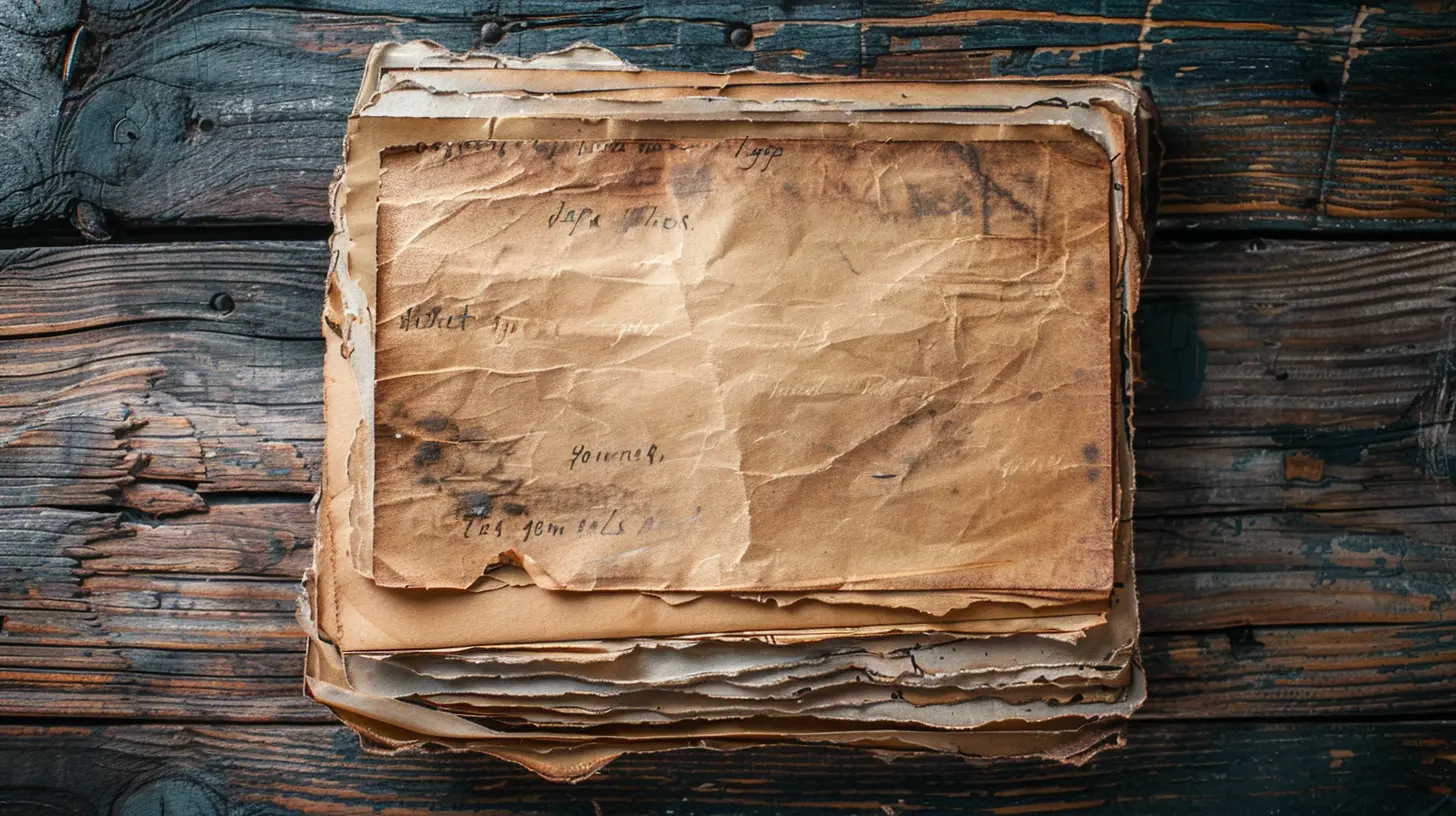
Why Old Family Recipes Matter
Family recipes are like time capsules. They hold stories, emotions, and a sense of belonging. Here’s why they matter more than we realize:1. They Keep Traditions Alive
Every family has its own culinary traditions. Whether it’s your grandmother’s secret spice blend or your dad’s famous Sunday morning pancakes, these dishes hold sentimental value. Cooking them keeps those traditions alive and makes sure future generations can experience them too.2. They Strengthen Family Bonds
Ever noticed how food has a way of bringing people together? When you cook an old family recipe, you’re not just making a meal—you’re sparking conversations, laughter, and nostalgia. It’s a great way to bridge the gap between generations, making grandparents, parents, and kids feel connected.3. They Preserve Family History
Each recipe has a story behind it. Maybe it was created during tough times when ingredients were scarce, or perhaps it was a dish made for special celebrations. By revisiting these recipes, you’re preserving your family’s history in the most delicious way possible.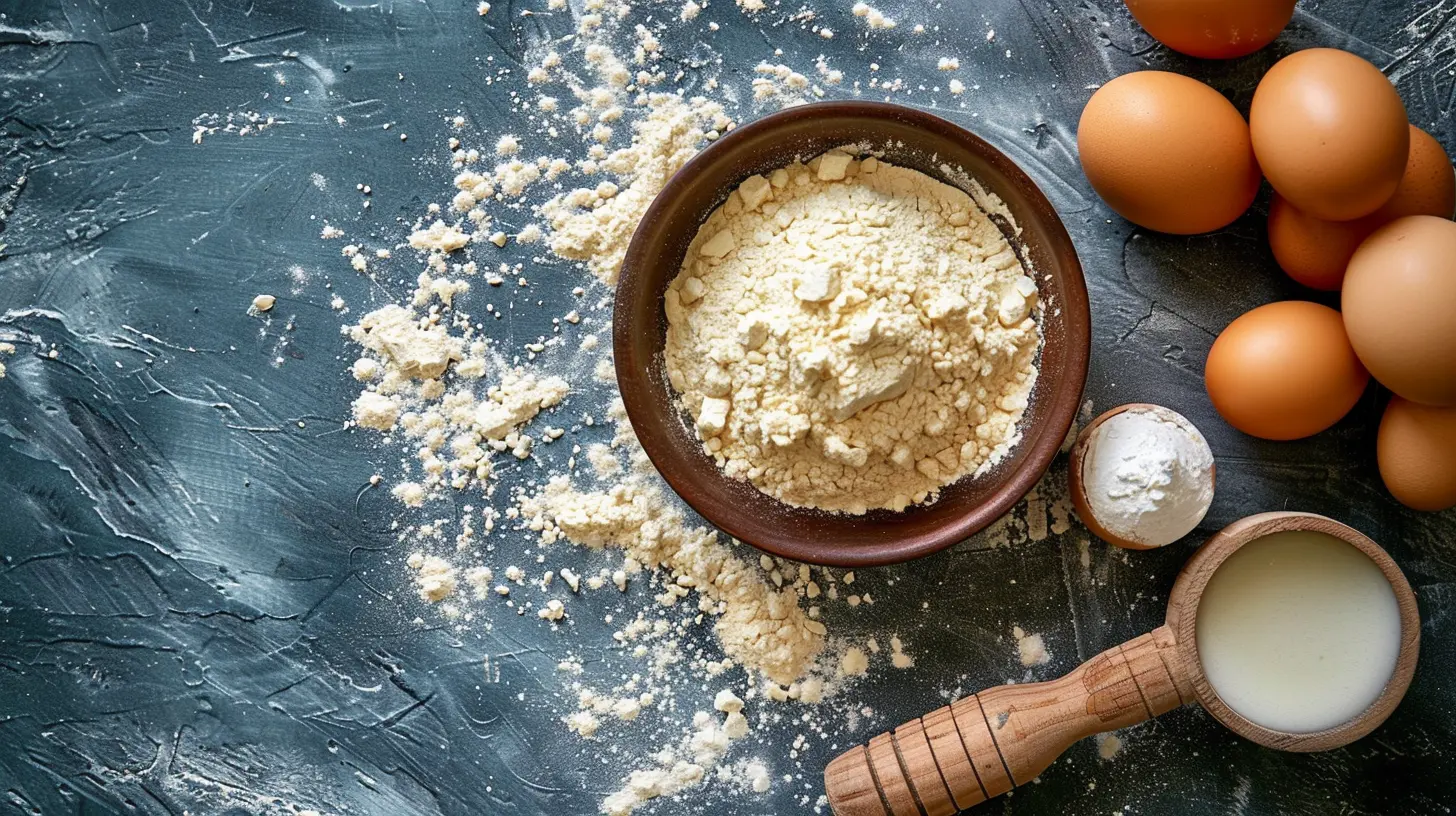
How Cooking Old Recipes Helps You Connect
Cooking isn’t just about food—it’s about the experience. Here’s how diving into old family recipes can help you reconnect with loved ones:1. A Walk Down Memory Lane
Cooking an old dish can bring back cherished memories. Maybe it reminds you of baking cookies with your mom on rainy weekends or big family gatherings filled with laughter and good food. These memories make the experience even richer.2. Bringing Generations Together
Food is a universal language. Even if your grandparents grew up in a different era, cooking an old family recipe together can bridge the generational gap. It gives older family members a chance to share their wisdom while younger ones gain a deeper appreciation for their roots.3. Passing Down Skills and Techniques
Many family recipes involve unique techniques that aren’t found in modern cookbooks. Whether it’s the perfect way to knead dough or the secret to getting that sauce just right, these skills need to be passed down. Cooking together is a hands-on way to ensure these skills aren’t lost.4. Creating New Memories
While revisiting old recipes brings back memories, it also helps create new ones! Imagine making your grandmother’s famous apple pie with your kids for the first time. Not only are you honoring her legacy, but you’re also starting a new tradition for the next generation.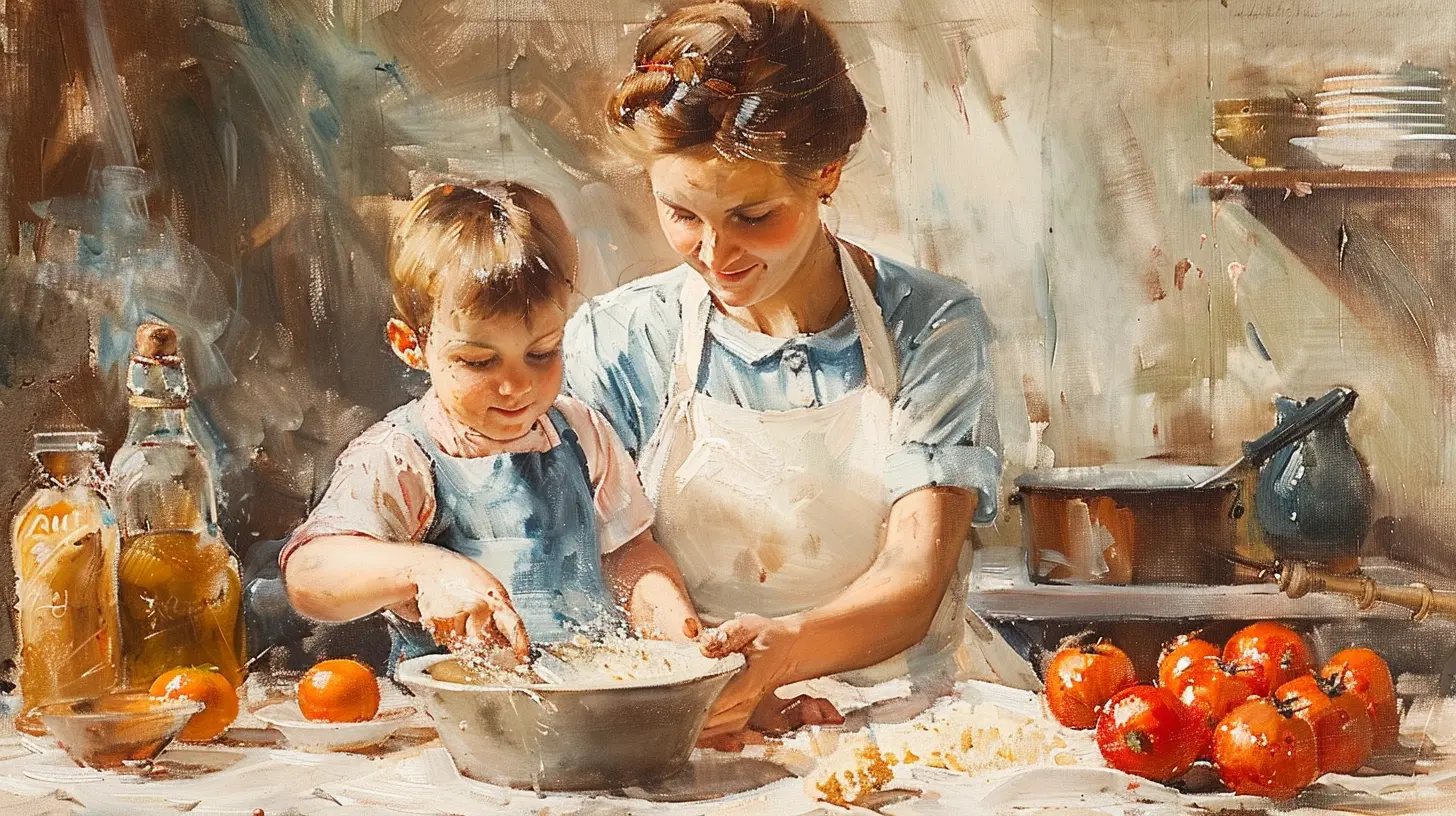
Ways to Incorporate Old Family Recipes into Modern Life
Life is busy, and sometimes, traditional recipes can be time-consuming. But that doesn’t mean they have to be forgotten! Here are some easy ways to bring old family recipes into your modern routine:1. Host a Family Recipe Night
Dedicate one night a week or month to cooking a family recipe. Invite relatives over, or cook with your immediate family at home. Share stories about the dish and what it means to you. It’s a fun and meaningful way to keep traditions alive.2. Create a Family Recipe Book
Gather all your family’s traditional recipes and put them into a special cookbook. You can make a handwritten journal, a digital version, or even print a professional-looking book. This makes a great gift and ensures the recipes don’t get lost over time.3. Modernize Old Recipes
Some traditional recipes might call for ingredients that are hard to find or not very healthy. Give them a modern twist by making them lighter, quicker, or easier to prepare. For example, if your great-grandmother’s lasagna takes hours to make, try a simplified version for busy weeknights.4. Teach Kids the Family Recipes
Get your kids involved in the kitchen! Teach them how to make these special dishes, and explain their significance. Let them stir, mix, and taste—it’s a fun way to keep them engaged while passing down family traditions.5. Celebrate Special Occasions with Traditional Dishes
Make family recipes a staple during holidays or special celebrations. Whether it’s a Christmas dish that’s been in the family for decades or a birthday cake recipe passed down through generations, keeping these dishes in your celebrations strengthens family connections.6. Record Cooking Sessions
Whenever you cook an old family recipe, record it! Take videos, snap pictures, or write down notes. This helps preserve not just the recipe itself but also the techniques, funny moments, and heartfelt stories that come with it.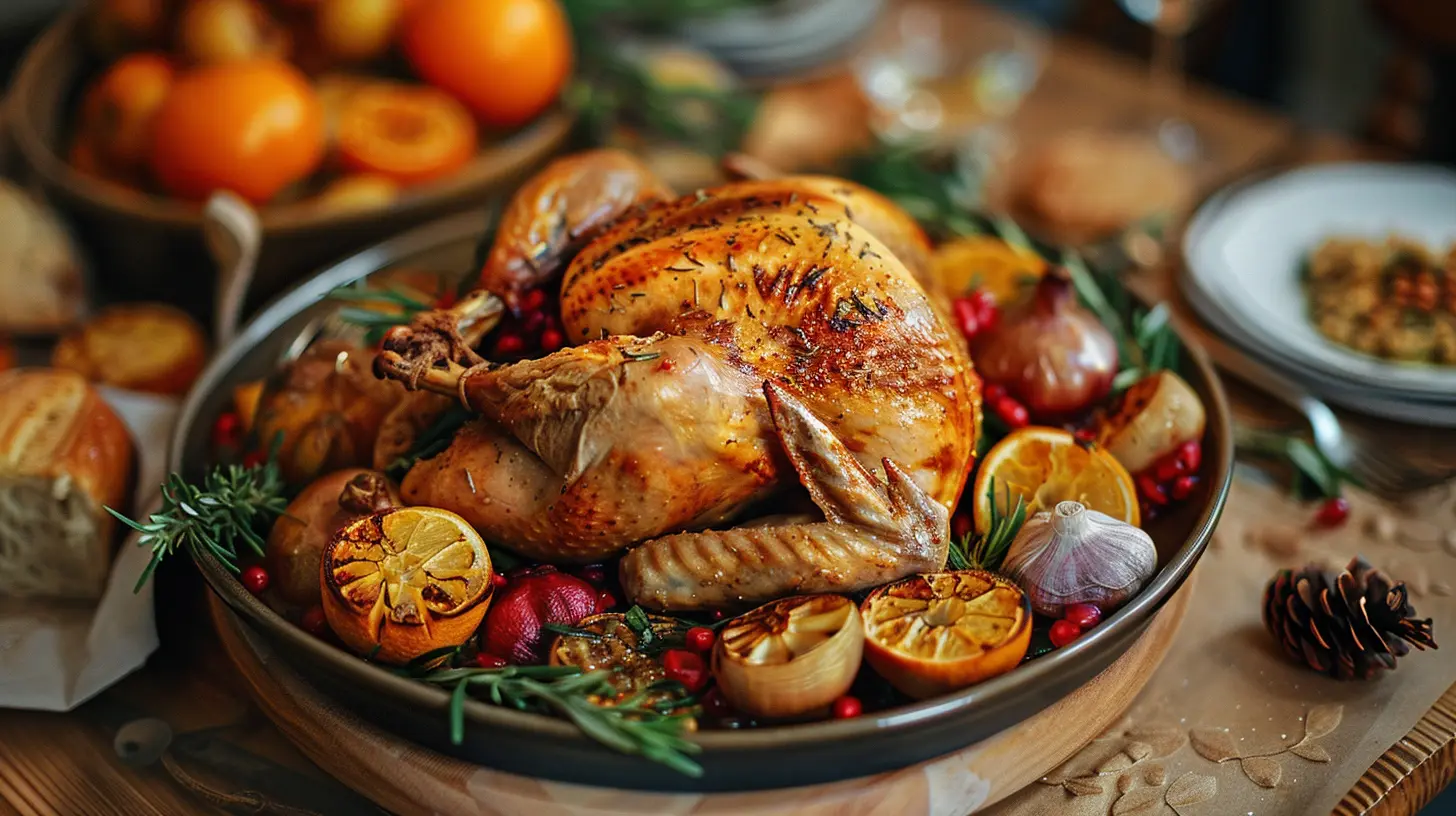
Tips for Keeping Family Recipes Alive
Recreating old family recipes can sometimes be tricky—especially if measurements were never written down! Here are some tips to help you keep those recipes as authentic as possible:1. Talk to Older Relatives
If you have grandparents, parents, or older relatives who know the recipe well, ask them about it! They might remember little details that weren’t written down but make all the difference in taste.2. Experiment with Ingredients
Some ingredients from old recipes might not be available today. Feel free to experiment with substitutes while keeping the essence of the dish intact.3. Write Everything Down
If the recipe has never been written, take the time to document it. Include precise measurements, cooking times, and special tips for the best results.4. Capture the Story Behind the Recipe
Make sure to write down not just the instructions but also the story behind it. Why was it created? Who first made it in your family? These little details make the recipe even more special.5. Share and Pass It On
Recipes should be shared, not forgotten! Encourage family members to try their hand at making them. The more they’re cooked, the longer they’ll stay alive.Wrapping It Up
Revisiting old family recipes is about so much more than food. It’s about celebrating your family’s history, cherishing memories, and making new ones. Cooking these dishes brings generations closer, sparks meaningful conversations, and keeps traditions alive for years to come.So, the next time you’re wondering what to cook, don’t just grab any recipe—reach for one that tells a story. Gather your loved ones, roll up your sleeves, and cook up a little piece of history.
What’s one family recipe you’d love to revisit? Go ahead and make it today—you won’t regret it!
all images in this post were generated using AI tools
Category:
Family TraditionsAuthor:

Maya Underwood
Discussion
rate this article
2 comments
Summer McLemore
Thank you for this lovely article! Revisiting family recipes is such a beautiful way to bond and create lasting memories. It reminds us of our roots while allowing the next generation to appreciate our culinary heritage.
March 22, 2026 at 5:14 PM
Maya Underwood
Thank you for your kind words! I completely agree—family recipes truly enrich our connections and preserve our traditions.
Dorothy Cooper
Revisiting old family recipes is not just about savoring flavors; it’s a powerful way to bond and create lasting memories. Each dish carries stories that strengthen family ties. Embrace this culinary journey—it's an opportunity to teach values, culture, and the importance of heritage, all while enjoying delicious food together.
March 3, 2026 at 5:06 AM
Maya Underwood
Absolutely! Cooking together brings families closer and preserves cherished traditions, making every meal a celebration of heritage and love.