Promoting Healthy Communication Skills in Kids
19 May 2026
Good communication skills are like superpowers for kids. They help children express their feelings, build friendships, solve problems peacefully, and navigate the world with confidence. But here's the thing — kids aren’t born with these skills. They learn them, just like riding a bike or tying their shoes.
So if you're wondering how to help your child become a better communicator, you're not alone. And you're definitely in the right place. In this post, we'll chat about practical, everyday ways to help your child build strong, healthy communication habits — without overwhelming you or your little one.
Let’s dive in.

Why Communication Skills Matter for Kids
Communication isn't just about talking. It's about listening, understanding, responding, and even body language. When kids communicate well, they’re more likely to:- Build strong relationships with peers and adults
- Express their emotions instead of bottling them up
- Resolve conflicts calmly
- Ask for help when they need it
- Develop strong self-esteem
Honestly, these are life skills that go way beyond childhood. Helping your child now sets a strong foundation for their teen years and adulthood.
Start with Modeling Good Communication
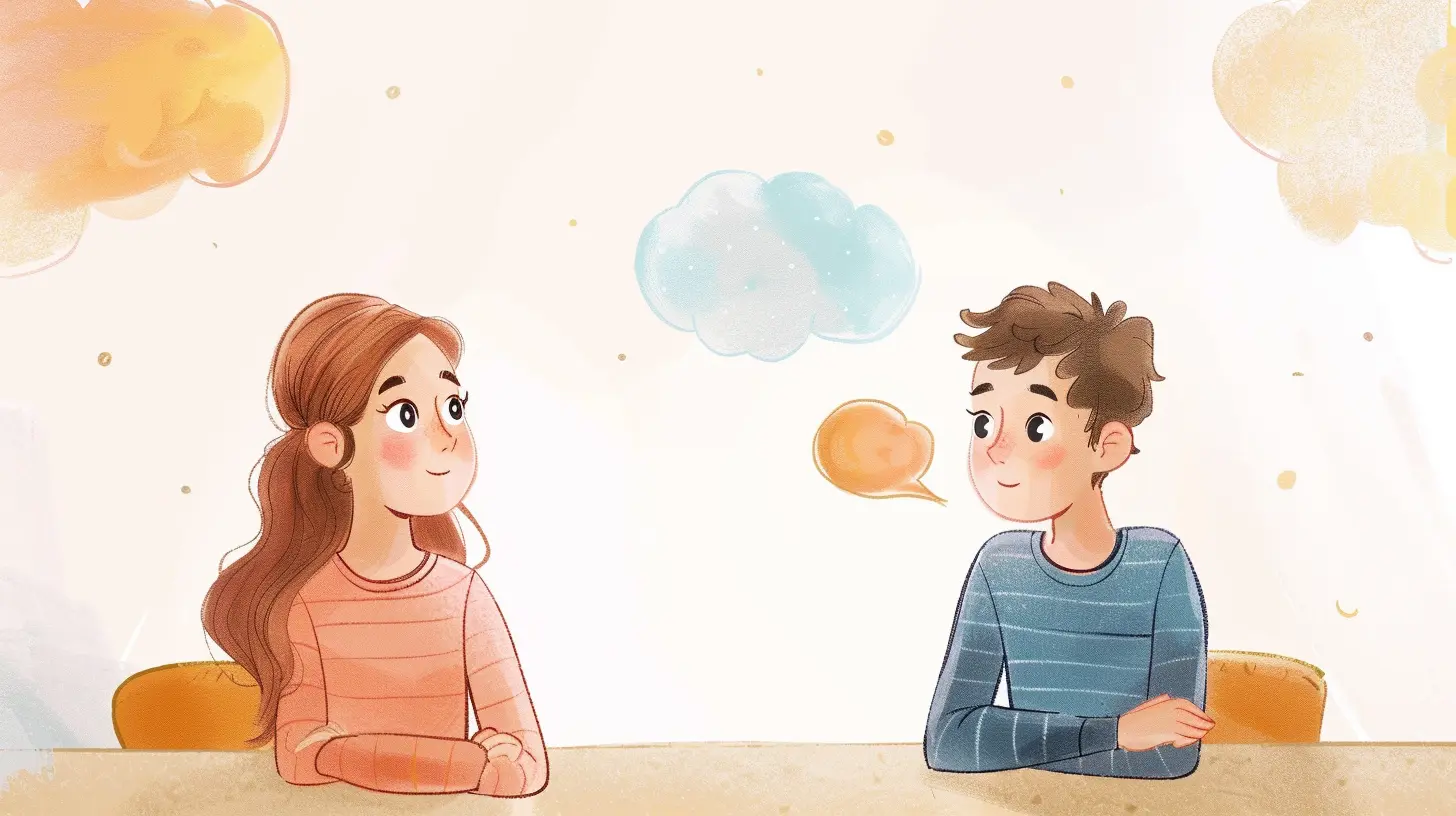
Kids are like little sponges — they soak up everything. And guess what? That includes the way we talk, listen, and respond in conversations.So, ask yourself — how do you communicate at home?
Do you listen when your child talks, or are you half-scrolling through your phone? Are you quick to jump in with advice, or do you give them space to explain?
Modeling calm, respectful communication teaches your child what healthy conversations look like. It’s simple, really: if you want your child to listen and speak with kindness, you’ve got to show them how it’s done.
Make Time to Talk (Yes, Even When You're Busy)
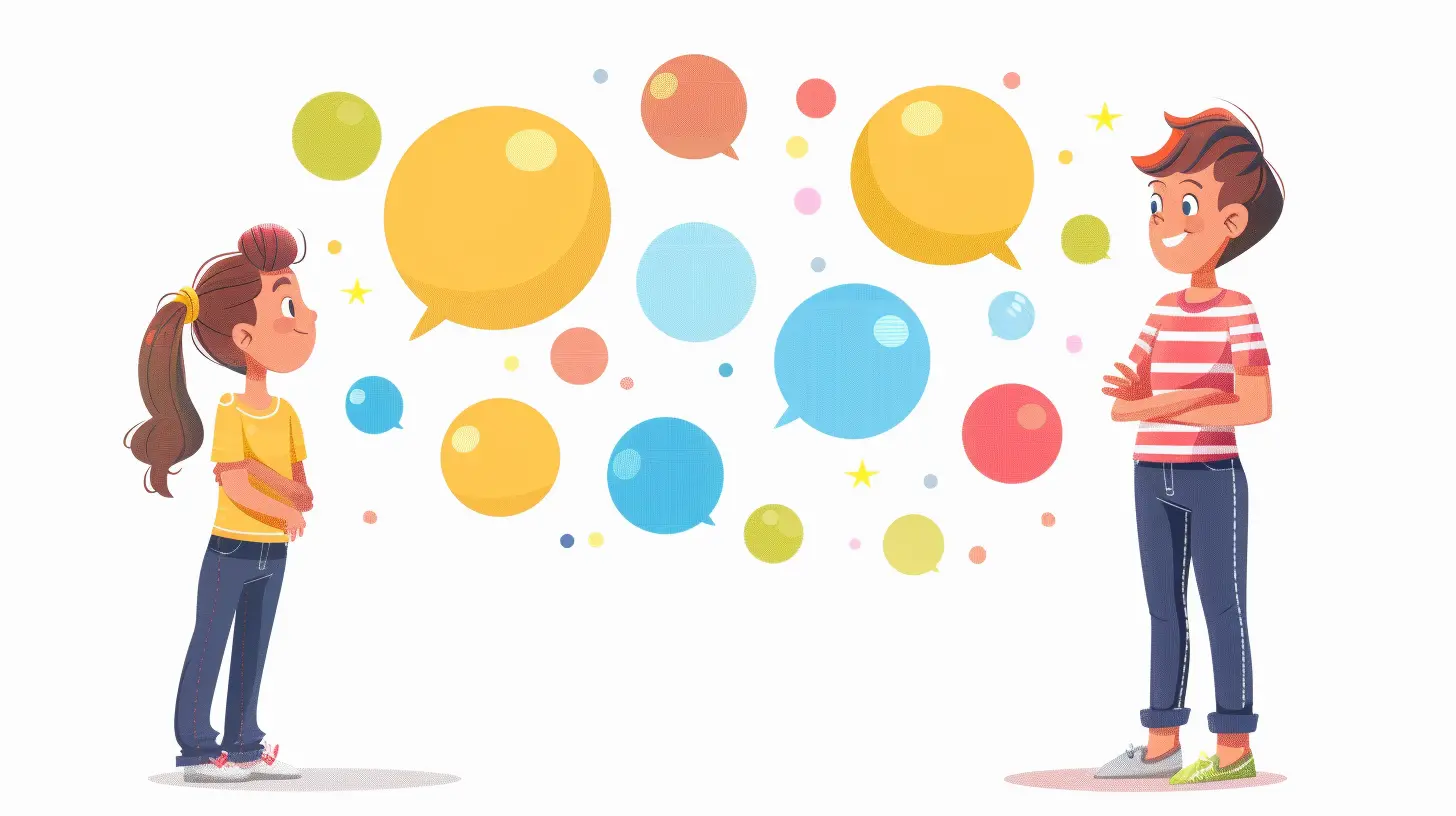
Modern family life is hectic. Between school drop-offs, sports practices, and dinner prep, finding time to talk can feel like a luxury. But everyday moments are golden chances for connection.Try these:
- Chat while driving — no eye contact needed can actually make it easier for kids to open up.
- Catch up over dinner (phones away!).
- Have a bedtime chat — there's something magical about those few quiet moments before sleep.
And sometimes, it’s about being present more than being profound. A simple “How was your day?” followed by real interest goes a long way.
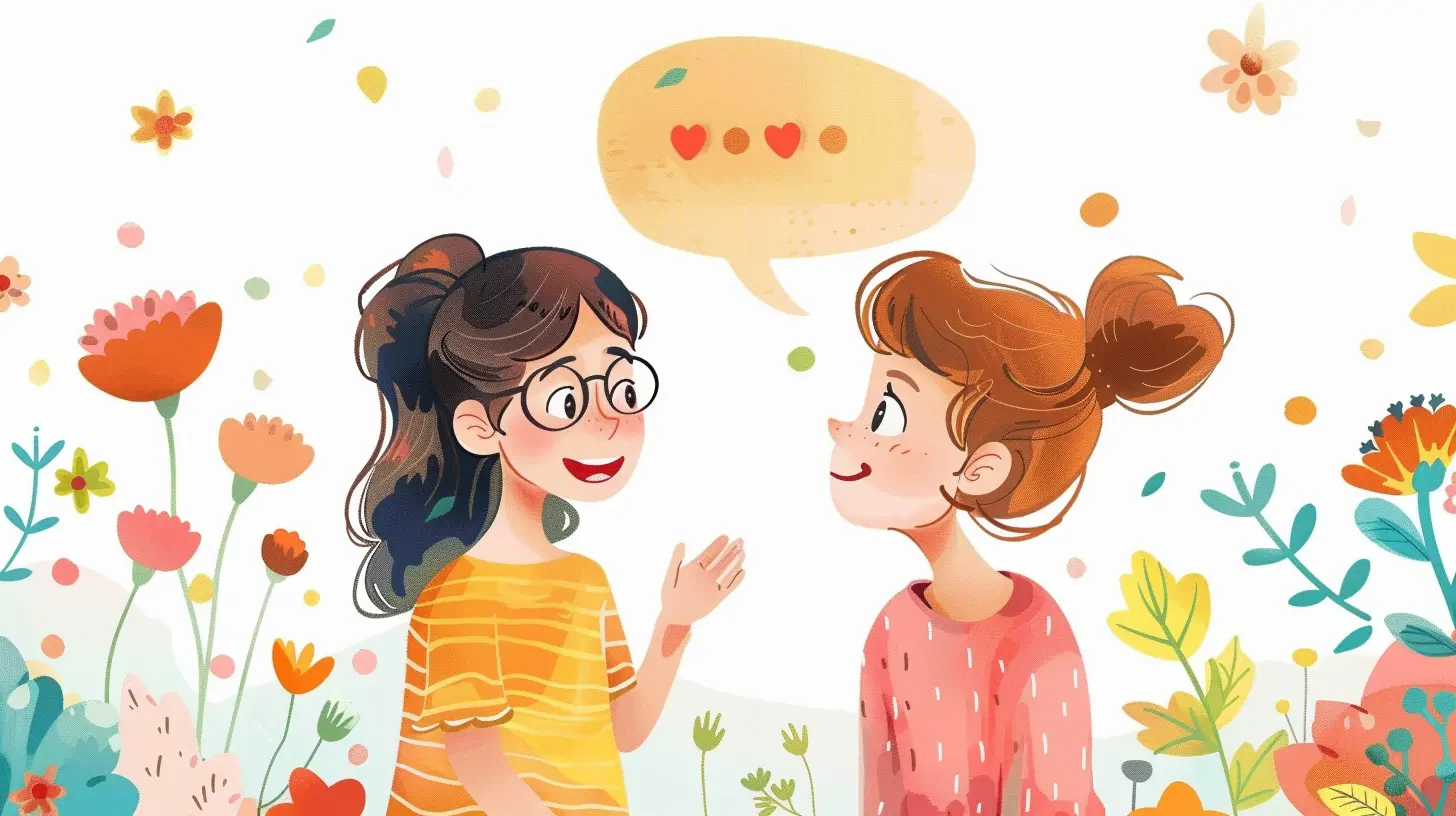
Encourage Feelings Talk Early On
If we want our kids to talk to us as teens, we’ve got to make sure they feel safe expressing emotions as toddlers and beyond.Teach them to name their feelings. Use phrases like:
- “You look frustrated — is this puzzle hard to finish?”
- “I see you’re really excited about your drawing!”
- “You seem upset. Want to tell me what happened?”
This helps kids connect the dots between what they feel and how to express it. Bonus? They’re less likely to show big emotions through tantrums or aggression if they have words to match their feelings.
Active Listening: More Than Just Hearing
Let’s be honest — we adults aren’t always the best listeners either. We hear our kids, but are we really listening?Active listening means:
- Giving your full attention (yep, that means putting the phone down)
- Making eye contact
- Nodding or saying things like “I see” or “Tell me more”
- Reflecting back what they said to check understanding
Try this:
> Child: “No one wanted to play with me today.”
> You: “That must have felt really lonely. What happened?”
Show your child that their voice matters. Even if you can’t fix the problem, the act of truly listening already helps.
Teach the Power of "I" Statements
Conflict happens — even between siblings, friends, or classmates. Teaching kids to use “I” statements gives them a powerful tool to express themselves without blaming others.Compare:
- “You’re so mean!” vs. “I feel sad when you take my toy without asking.”
It’s a game-changer. “I” statements teach kids to own their feelings and communicate them respectfully. And it helps prevent those conversations from turning into full-on meltdowns.
Use Play to Practice Communication
Playtime is more than just fun — it’s a communication workshop in disguise.Role-playing, puppet shows, board games, and storytelling all help kids practice using words to express ideas, negotiate, cooperate, and even resolve conflicts.
For example:
- Play "store" where they have to ask for help, count change, and say thank you.
- Pretend to be superheroes solving communication problems (e.g., “Super Listener saves the day!”).
Kids often work through their social and emotional hurdles in pretend scenarios. Lean into it — it’s development gold.
Be Patient with Miscommunication
Let’s face it — kids don’t always get things right.They might interrupt, mumble, talk over others, or use the wrong tone. That’s okay. They’re learning.
Correct gently and with context:
- Instead of snapping, “Don’t interrupt!” say, “Let’s let your sister finish, then it’s your turn.”
- If they use a harsh tone, ask, “Can you try that again in a calmer voice?”
Think of it as teaching a skill, not punishing a mistake.
Praise Good Communication When You See It
Positive reinforcement works. When you catch your child sharing nicely, listening patiently, or using kind words, name it!“Wow, I saw how you told your friend you didn’t like that, but you stayed calm — that was awesome!”
Reinforcing the behavior you want to see more of helps it stick.
Navigate Screens and Digital Communication
In today’s world, healthy communication isn’t just face-to-face. As kids grow, they'll also need skills for texting, emailing, and social media.Here’s where you come in:
- Teach them tone doesn’t come across well in texts — using emojis or clarifying questions helps.
- Talk about kindness online. Would you say the same thing to someone’s face?
- Set limits and encourage phone-free zones so real conversations still have a place at home.
Start young. The habits you build now will guide how they communicate online as they grow.
Create a Judgment-Free Zone
Your child needs to know they can come to you with anything — even the hard stuff.Resist the urge to react with anger, shame, or shock. Instead, listen first. Process later. When your child feels safe to open up without fear, you’ll keep that line of communication strong for life.
This doesn’t mean you skip the boundaries or consequences, but it does mean prioritizing connection before correction.
Support Kids with Different Communication Styles
Every child is different. Some are chatterboxes, others are quiet observers. Don’t assume quieter kids aren’t communicating — they just might need more time or comfort to open up.Encourage expression in different ways:
- Journaling or drawing for kids who process internally
- Music, movement, or art for those who communicate creatively
- Safe one-on-one chats if group conversations are overwhelming
Honor their personality while gently encouraging growth.
Communication Grows With Age (And So Should Our Approach)
What works at age 3 likely won’t fly at age 13. As kids grow, their communication needs, challenges, and environments change, too.Here’s a quick guide:
- Toddlers: Focus on naming emotions, modeling words for needs, and keeping it simple.
- Preschoolers: Teach turn-taking in conversations, listening skills, and polite phrases.
- Elementary Kids: Practice problem-solving language, empathy, and expressing emotions clearly.
- Tweens/Teens: Shift to open-ended questions, non-judgmental listening, and negotiating boundaries with respect.
Check in often, adapt your approach, and keep that connection strong through every stage.
When to Seek Help
If your child consistently struggles with basic communication — maybe they can’t seem to express emotions at all, lash out regularly, or have difficulty understanding social cues — it might be time to get support.Speech-language pathologists, child therapists, or school counselors can help identify and address communication challenges early. There’s no shame in getting help — the earlier, the better.
Final Thoughts: It Starts with You
Promoting healthy communication skills in kids doesn’t require fancy tools or hours of training. It starts with being intentional in everyday moments, modeling the habits you want to see, and encouraging kids to express themselves openly and respectfully.It’s not about perfection — it’s about connection.
So talk with your child. Really talk. And listen. Laugh. Even argue — but do it kindly. These conversations are where the magic of parenting really happens.
And in case no one told you lately — you're doing a great job.
all images in this post were generated using AI tools
Category:
Life Skills For KidsAuthor:

Maya Underwood
Discussion
rate this article
2 comments
Melody Clark
Fostering healthy communication in children is vital for their emotional and social development. I find that encouraging open dialogue at home not only strengthens our bond but also helps them express their feelings more clearly. It's a journey, but the rewards are truly worth the effort.
September 13, 2026 at 4:40 AM
Selah Pacheco
Teach them early; strong communicators shape their future.
May 24, 2026 at 4:17 PM
Maya Underwood
Absolutely! Starting young sets the foundation for confidence and clarity in their futures.