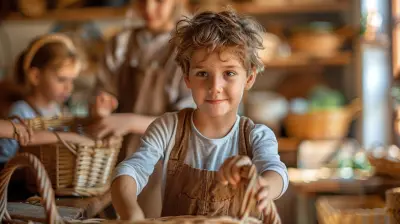
Mindful Parenting: Being Present with Your Preschooler
26 March 2026
Let’s face it, parenting a preschooler can sometimes feel like herding cats in a windstorm. One minute they’re giggling over finger paint, and the next they’re sobbing because their peanut butter sandwich is "cut wrong." Ah, the joys (and chaos) of raising a little one.
But amid all the noise and sticky fingers, there’s a powerful way to truly connect with your child and bring some calm into the whirlwind — it’s called mindful parenting. And no, you don’t need to become a meditation guru or sit cross-legged on a yoga mat (though hey, no judgment if you do!).
Mindful parenting simply means tuning into the present moment with your preschooler — without judgment, distraction, or a frantic to-do list racing through your head. Sound impossible? Stick with me. It’s not only possible — it’s transformative.

What is Mindful Parenting, Really?
Mindful parenting is about being fully present with your child — emotionally, mentally, and even physically. It means paying attention to what your child is saying (and not saying) without jumping in to fix, correct, or dismiss their emotions.It’s choosing to respond instead of react. It’s slowing down just enough to see the world through those bright little eyes. And yeah, sometimes it means letting go of the mess, the multitasking, and the need to be in control 24/7.
It’s Not About Being Perfect
Let’s toss out the idea that being mindful means being the perfect parent. Spoiler alert: that parent doesn’t exist. Mindful parenting is about progress, not perfection. It’s about catching yourself when your patience wears thin or when you feel your stress about spilled cereal creeping up — and choosing in that moment to breathe and connect instead of yell or rush.
Why Mindfulness Matters for Preschoolers
Preschoolers are at a magical age — but also a tricky one. Their brains are growing fast, emotions run high, and they’re navigating the world with curiosity, fear, joy, and confusion all rolled into one unpredictable bundle.Here’s why your mindful presence matters more than you might think:
1. Emotional Regulation Begins with You
Kids don’t come pre-programmed with emotional regulation. They’re like emotional sponges — they soak in how we handle stress, disappointment, anger, and even joy. When we respond mindfully, it models healthy coping mechanisms and helps them feel secure.2. Mindfulness Builds Connection
That deep, unshakable bond we all want with our kids? It’s built in the small moments — listening to their stories (even the ones that drag on for ten minutes and go nowhere), sitting with them through a tantrum, or just sharing a quiet cuddle before bed.3. It Encourages Better Behavior
Want fewer meltdowns and more cooperation? Mindful parenting creates a safe space where your child feels seen and heard. That emotional security often translates into fewer power struggles and more willingness to listen and engage.4. Supports Brain Development
Science backs us up here. Mindfulness strengthens areas of the brain related to attention, empathy, and emotional regulation. When you parent mindfully, you’re literally helping your child’s brain develop in healthier, more resilient ways.
How to Practice Mindful Parenting with Your Preschooler
Okay, so let’s get practical. How do you actually do this “mindful parenting” thing when you’re running on caffeine and your preschooler just colored the dog?Here are some doable, real-life strategies that can help:
1. Start with Yourself
Yep, you’re part of the equation. In fact, you’re the starting point.- Pause before reacting. When your child pushes your buttons (and they will), take a deep breath. Count to five. Clench and unclench your fists. This tiny pause gives you a chance to respond intentionally.
- Practice self-awareness. Notice your moods. If you’re overstressed or overtired, you’re more likely to snap. That’s not a failure — it’s information.
- Show yourself grace. Bad day? Big reaction? It happens. Use those moments as a reset button, not a reason for guilt.
2. Give Them Your Full Attention (Even for 10 Minutes)
Imagine being a preschooler, trying to tell your parent something important and all they do is scroll their phone or vaguely nod while loading the dishwasher. Ouch.Even just 10 minutes of undivided attention can mean the world to your child. During that time:
- Get on their level — eye contact, body facing them.
- Let them lead the play.
- Avoid teaching, correcting, or multitasking.
- Just be there. Really be there.
This kind of presence is like magic. It fills their emotional cup and often leads to better cooperation the rest of the day.
3. Acknowledge Emotions Without Fixing Everything
Preschoolers are still learning what to do with their big feelings — and they have a lot of them. Instead of trying to distract, deny, or fix, acknowledge.- “You’re feeling really angry because your block tower fell.”
- “That’s frustrating when your toy doesn’t work right.”
Validating their feelings helps them feel understood. And once they feel heard, they’re more likely to calm down on their own.
4. Create Simple Rituals of Connection
Mindfulness isn’t just about what we do in conflict. It’s about creating consistent moments of presence that ground our kids and ourselves.Try:
- Morning snuggles before the rush
- A bedtime tradition like “rose, thorn, bud” (something good, something hard, and something they’re looking forward to)
- A “mindful minute” where you sit together and take deep breaths
These rituals become anchors — familiar moments of peace in an otherwise busy day.
5. Use Positive Language and Reframes
How we speak to our kids shapes their inner voice. Mindfulness in our language helps us guide them without shaming.Instead of:
> “Why are you always making a mess?”
Try:
> “Let’s remember to keep the markers on the paper. Want me to help you tape it down?”
Noticing the shift? It’s not about being soft; it’s about being respectful and clear.
6. Focus More on the Process Than the Outcome
Preschoolers are natural explorers. They care more about mixing colors than painting a masterpiece. When we focus on outcomes (clean rooms, perfect drawings), we risk crushing their curiosity.Celebrate effort:
- “You worked hard on that puzzle!”
- “You really took your time stacking those blocks!”
This encourages growth and keeps pressure off their growing brains.

Common Challenges with Mindful Parenting (And How to Handle Them)
Let’s be real. This all sounds great, but there will be days when it’s hard. Like, really hard. That’s normal. Here’s how to handle common bumps:You’re Too Tired or Busy
Mindful parenting doesn’t have to take hours. Tiny moments count. Even folding laundry while you talk about their day is an act of presence if you’re listening.Your Child Is Testing Limits (Again and Again)
Preschoolers do this. It’s their job. Stay consistent, stay connected, and remember: they’re not trying to drive you nuts (even if it feels that way). They crave boundaries and your calm presence.You Get Triggered
We’ve all had moments where our child’s behavior hits a nerve. Take a breath, step outside if you need to, and come back when you’re more grounded. It’s okay to say, “I need a minute to calm down.”Mindful Parenting in Everyday Life
Mindfulness doesn’t need special tools or hours of your time. Here’s how it can show up in ordinary life:- While eating: Sit down and eat together without screens. Talk about the textures, tastes, and your day.
- During play: Let your child lead. Watch their creativity — it’s like a peek into their brain!
- On walks: Collect leaves, notice cloud shapes, talk about what you see.
- At bedtime: Slow down. Turn off the light a little earlier and spend a few extra minutes talking or snuggling.
These stolen moments are where the magic lives.
Final Thoughts: Presence Over Perfection
Mindful parenting isn’t a switch you flip. It’s a mindset you grow. Some days will feel beautifully connected; others might be more “survival mode.” That’s okay.What matters is showing up with intention. Offering your child the gift of your attention and presence. Again and again. Not because you’re perfect, but because you care.
Preschoolers don’t need flawless parents — they need present ones. And that, dear reader, is the heart of mindful parenting.
all images in this post were generated using AI tools
Category:
Parenting PreschoolAuthor:

Maya Underwood
Discussion
rate this article
2 comments
Tyler Jenkins
Absolutely love this! Mindful parenting is such a wonderful approach to enhance our connections with our little ones. Being present not only enriches their experiences but also strengthens our bond. Great insights here!
April 10, 2026 at 4:30 AM
Maya Underwood
Thank you! I'm glad you found it valuable. Mindful parenting truly makes a difference in our connections.
Flora Cruz
Mindful parenting fosters deep connections. By being present with our preschoolers, we cultivate their emotional intelligence and creativity, nurturing not just their development but our own awareness and joy in parenting.
March 27, 2026 at 3:53 AM
Maya Underwood
Thank you for highlighting the importance of mindful parenting! Being present truly enriches our relationships and fosters growth for both parents and children.