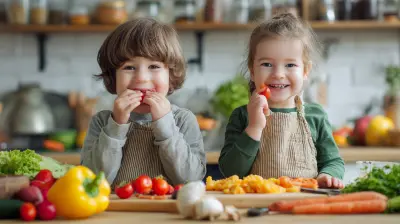
Kid-Friendly Recipes Packed with Nutrients
10 September 2026
Getting children to eat well is rarely about the food itself. It is about control, texture, color, and the silent battle of wills that happens at every mealtime. Parents do not need more complicated smoothie bowls or obscure superfoods. They need practical, reliable recipes that deliver real nutrition without turning the kitchen into a war zone. This guide focuses on food that children actually eat, not what they should eat in theory. Every recipe here balances three things: nutrient density, realistic prep time, and the picky eater's approval.
Why Nutrient Density Matters More Than Calorie Count
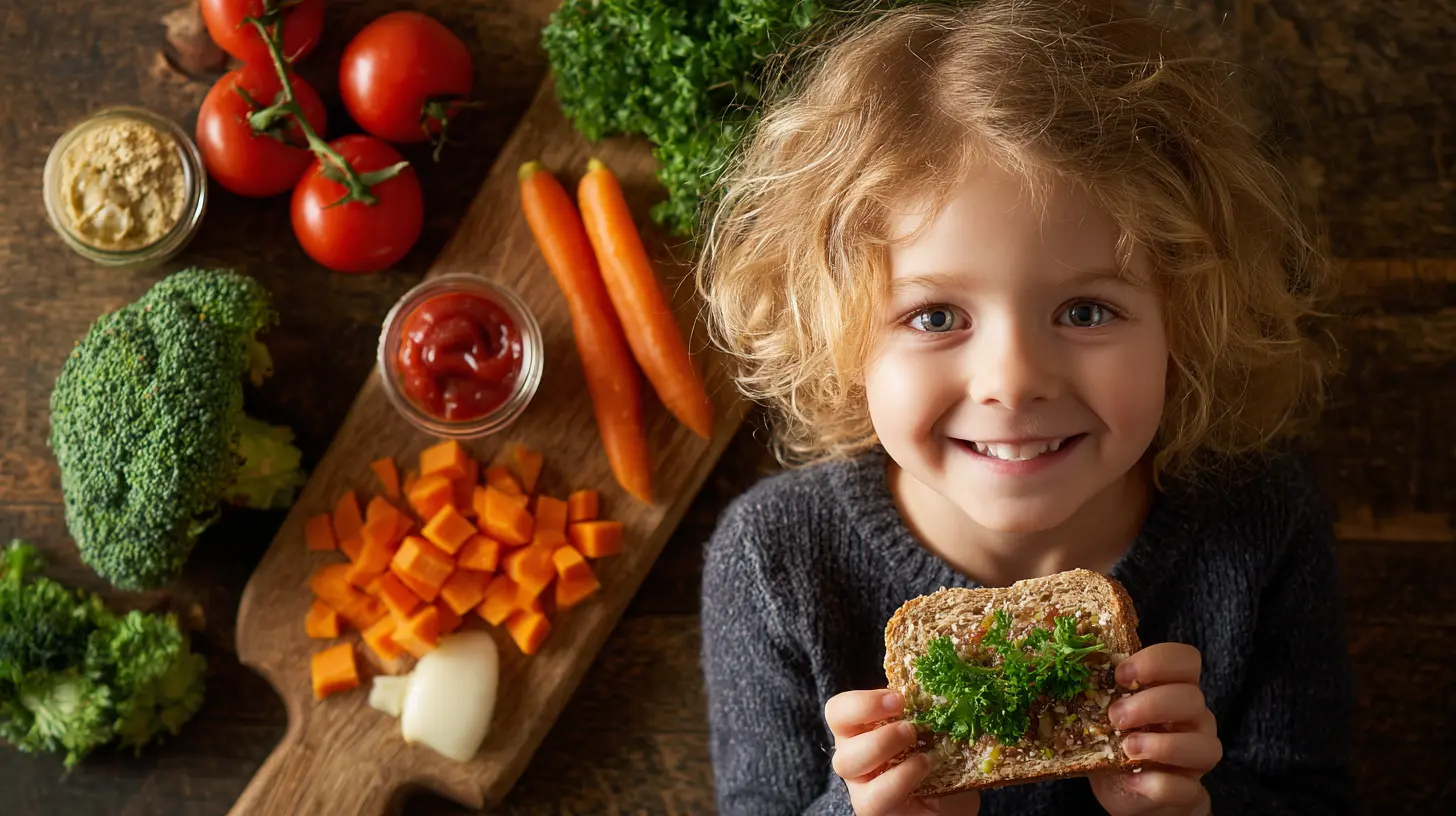
A child's stomach is small. A toddler's stomach is roughly the size of their fist. If you fill that space with empty calories from crackers or fruit juice, there is no room left for protein, healthy fats, or micronutrients. This is why the concept of nutrient density is not just nutritionist jargon. It is a practical tool for parents.Nutrient density means getting the most vitamins, minerals, and beneficial compounds per bite. For example, a slice of white bread with jam gives quick energy but almost nothing else. The same calories in a slice of whole grain toast with smashed avocado and a sprinkle of hemp seeds provide fiber, potassium, vitamin E, and omega-3s. The child is full either way, but only one option builds a strong immune system and supports brain development.
The mistake many parents make is focusing on what a child refuses rather than what they accept. If your child eats only three vegetables reliably, you can still build a nutrient-packed diet around those three. Do not force a child to eat kale if they will happily eat peas and carrots. Variety is ideal, but consistency within acceptable options is far more effective than daily battles.
The Texture Trap and How to Work Around It
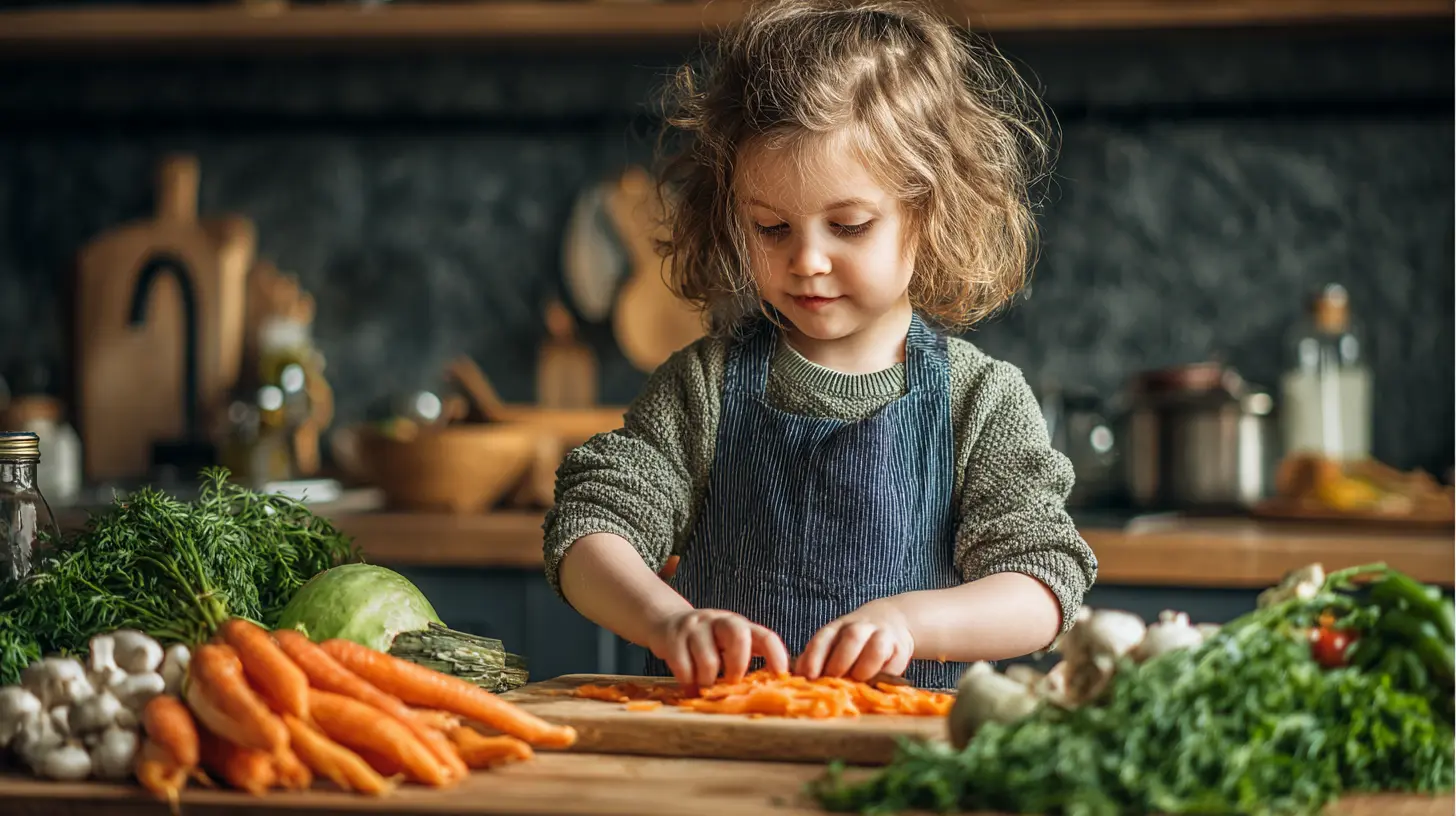
Most children under seven have a strong preference for soft, smooth, or easily chewable textures. This is not pickiness. It is a developmental phase linked to oral motor skills and sensory processing. Crunchy raw vegetables are often rejected because they require more chewing effort and can feel overwhelming.This explains why many children love applesauce but refuse raw apple slices. It also explains why chicken nuggets are so popular. They are soft inside, crunchy outside, and easy to bite. Instead of fighting this preference, use it to your advantage. You can create nutrient-dense meals that mimic the textures children already like.
For example, homemade sweet potato and black bean burgers have a soft interior that children can manage. Butternut squash mac and cheese hides a vegetable puree in a familiar creamy sauce. Baked oatmeal bars offer a chewy, soft texture that works for breakfast or snacks. The goal is not to trick children into eating vegetables. The goal is to present foods in textures that their developing mouths can handle without frustration.

Building a Balanced Plate Without the Power Struggle
The classic plate model for adults does not translate well to children. A child's plate that is half vegetables often triggers an immediate refusal. Instead, consider the 70/30 rule. Make seventy percent of the meal familiar and accepted foods, and thirty percent new or previously rejected foods. This keeps the meal positive while still exposing children to variety.Another effective approach is the division of responsibility, a concept popularized by feeding specialist Ellyn Satter. The parent decides what food is served, when it is served, and where it is served. The child decides what to eat and how much. This removes the pressure from both sides. When a child feels no pressure to eat a specific food, they are more likely to try it eventually. Research in child psychology supports that repeated neutral exposure, sometimes ten to fifteen times, is needed before a child accepts a new food.
So do not give up after one rejection. Serve the same nutrient-dense recipe once a week without comment. Do not praise the child for eating it, and do not scold them for ignoring it. Just put it on the table. Over time, the food becomes familiar, and familiarity breeds acceptance.

Breakfast Recipes That Are Not Sugar Bombs
Most commercial cereals and breakfast pastries are heavily processed and loaded with added sugar. Even "healthy" granola can have more sugar than a candy bar. A better breakfast includes protein, fiber, and some healthy fat to keep blood sugar stable through the morning.Savory Veggie Egg Muffins
These are essentially mini frittatas baked in a muffin tin. They are perfect for busy mornings because you can make a batch on Sunday and refrigerate them for up to four days.Whisk six eggs with a quarter cup of milk. Add half a cup of finely chopped spinach, a quarter cup of shredded cheddar cheese, and a quarter cup of cooked quinoa or leftover brown rice. Season with a pinch of salt and a little garlic powder. Pour the mixture into a greased muffin tin, filling each cup about three quarters full. Bake at 350 degrees Fahrenheit for 18 to 20 minutes until set.
The eggs provide choline, which is critical for brain development. Spinach adds iron and folate. The quinoa or rice gives fiber and a soft texture. These muffins freeze well too. Just reheat in the microwave for thirty seconds.
Overnight Oats with a Twist
Standard overnight oats are fine, but they often lack protein. Instead of just milk and oats, add a scoop of plain Greek yogurt and a tablespoon of ground flaxseed. This turns a carbohydrate-heavy breakfast into a balanced one.Combine half a cup of rolled oats, half a cup of milk, a quarter cup of Greek yogurt, one tablespoon of ground flaxseed, and a teaspoon of maple syrup. Stir well, cover, and refrigerate overnight. In the morning, top with mashed berries or sliced banana. The yogurt adds protein and probiotics. The flaxseed adds omega-3 fatty acids and fiber.
The key is not to use instant oats. They become mushy and have a higher glycemic index. Rolled oats hold their texture better and digest more slowly, keeping a child full longer.
Lunch Recipes That Survive the Lunchbox
Packing a school lunch is a daily exercise in compromise. You want nutrition, but the child wants something that looks like their friends' lunches. The following recipes bridge that gap.Hummus and Veggie Pinwheels
Take a whole wheat tortilla and spread a thin layer of hummus. Add a few leaves of baby spinach, some shredded carrot, and a slice of turkey or cheese if desired. Roll tightly and slice into one-inch rounds. These look like fun spirals, which appeals to children visually.The hummus provides protein and fiber from chickpeas. The whole wheat tortilla offers complex carbohydrates. The spinach and carrot add vitamin A and iron. If your child rejects visible green bits, blend the spinach into the hummus first. You can puree a handful of spinach with the hummus in a food processor. The color changes to a light green, but the texture remains smooth.
DIY Mini Pizzas on English Muffins
This is a recipe that involves the child. Let them assemble their own lunch. Split a whole grain English muffin in half. Spread a spoonful of tomato sauce on each half. Add a sprinkle of mozzarella cheese and let the child choose one topping from a small selection like sliced olives, diced bell pepper, or cooked crumbled turkey sausage.Bake at 375 degrees for eight to ten minutes until the cheese melts. Let cool completely before packing. The English muffin provides fiber. The tomato sauce provides lycopene, an antioxidant linked to heart health. The cheese offers calcium and protein. This meal feels like a treat, but it is far more balanced than a frozen pizza or a Lunchable.
Dinner Recipes That Please the Whole Family
Dinner is where most parents feel the most pressure. You are tired, hungry, and the child is cranky. These recipes are designed to be low-effort but high-reward.Hidden Veggie Turkey Meatballs
Turkey meatballs are leaner than beef, but they can be dry. The solution is to add moisture and nutrition through vegetables. Grate half a zucchini and half a carrot into a bowl. Squeeze out the excess water with a clean kitchen towel. Mix the grated vegetables with one pound of ground turkey, a quarter cup of breadcrumbs, one egg, and a teaspoon of Italian seasoning.Roll into small balls and bake at 400 degrees for 15 minutes. Serve with whole wheat pasta and a simple tomato sauce. The zucchini adds vitamin C and potassium. The carrot adds beta-carotene. The moisture from the vegetables keeps the meatballs tender enough for children to chew easily.
The trade-off here is that grating vegetables takes about five extra minutes. If you are short on time, buy pre-shredded carrots and use a box grater for the zucchini. This recipe is forgiving. You can also double the batch and freeze half for a busy weeknight later.
Crispy Baked Fish Sticks
Homemade fish sticks are far superior to frozen versions, both in taste and nutrition. Cod or pollock are mild white fish that children usually accept. Cut the fish into finger-sized strips. Set up a dredging station with three shallow bowls: one with flour, one with beaten egg, one with a mixture of panko breadcrumbs and grated parmesan cheese.Dip each strip in flour, then egg, then the crumb mixture. Place on a baking sheet lined with parchment paper. Drizzle with a little olive oil. Bake at 425 degrees for 12 to 15 minutes until golden and flaky.
The fish provides omega-3 fatty acids and high-quality protein. The parmesan adds calcium and umami flavor. The panko creates a crispy texture that rivals commercial fish sticks. Serve with a side of roasted sweet potato wedges for beta-carotene and fiber.
Do not make tartar sauce from scratch if you are tired. Mix plain Greek yogurt with a little lemon juice and dill. This provides extra protein and probiotics instead of the saturated fat found in mayonnaise-based sauces.
Snacks That Serve a Purpose
Snacks are not the enemy. Young children have small stomachs and high energy needs, so they often need to eat every two to three hours. The problem is that most packaged snacks are engineered to be hyper-palatable and nutritionally empty. The solution is to make snacks that combine at least two food groups.Energy Bites with Seeds
These no-bake bites are perfect for toddlers and school-age children. In a food processor, combine one cup of pitted dates, half a cup of rolled oats, a quarter cup of almond butter, two tablespoons of chia seeds, and a teaspoon of vanilla extract. Pulse until the mixture sticks together. Roll into small balls and refrigerate.The dates provide natural sweetness and fiber. The almond butter offers protein and healthy fats. The chia seeds add calcium and omega-3s. These bites are soft and do not require much chewing, which makes them ideal for younger children.
One caution: dates are sticky and can be a choking hazard for children under three if not processed finely. Make sure the mixture is well-blended into a paste before rolling. Also, keep portion sizes small. Two bites are enough for a snack. They are calorie-dense, so more is unnecessary.
Yogurt Bark
Line a baking sheet with parchment paper. Spread two cups of plain whole milk yogurt evenly over the sheet. Drizzle with a little honey or maple syrup. Sprinkle with sliced strawberries, blueberries, and a tablespoon of sunflower seeds. Freeze for two hours until solid. Break into pieces and store in a freezer bag.This snack is refreshing and satisfying. The whole milk yogurt provides fat, which is essential for brain development in children under five. The berries add antioxidants and vitamin C. The sunflower seeds add vitamin E and magnesium. This is a better alternative to ice cream or fruit popsicles, which are mostly sugar and water.
Common Mistakes Parents Make with Nutrient-Dense Cooking
One major mistake is overcomplicating recipes. You do not need to make your own pasta or ferment your own vegetables. Start with simple swaps and additions. Add a handful of lentils to ground meat sauces. Use mashed avocado instead of butter in baking. Blend spinach into fruit smoothies. These small changes accumulate over time.Another mistake is relying on processed "healthy" snacks marketed to children. Many yogurt tubes, fruit leathers, and granola bars are deceptively high in sugar. Check the ingredient list. If sugar appears in the first three ingredients, it is a dessert, not a snack. The American Heart Association recommends that children aged two to eighteen consume less than twenty-five grams of added sugar per day. One fruit leather can have fifteen grams. Three snacks can easily exceed the daily limit.
A third mistake is giving up too quickly on cooking with vegetables. Some parents assume that if a child rejects broccoli once, they will never eat it. This is false. It often takes multiple exposures over several weeks. The key is to vary the preparation. A child who hates steamed broccoli might love roasted broccoli with a little parmesan. The roasting process caramelizes the natural sugars and changes the texture from mushy to crisp.
The Role of Fats in Children's Diets
Low-fat diets are dangerous for young children. Fat is essential for brain development, hormone production, and the absorption of fat-soluble vitamins A, D, E, and K. Children under two should not be on a low-fat diet at all. After age two, they can transition to lower saturated fat, but unsaturated fats should remain a staple.This means using olive oil, avocado, nuts, seeds, and fatty fish regularly. If your child refuses fish, you can still provide omega-3s through ground flaxseed, chia seeds, and walnuts. Adding these to oatmeal, yogurt, or baked goods is an easy win.
Do not be afraid of full-fat dairy for children. Whole milk yogurt and cheese provide saturated fat that supports satiety and helps a child feel full longer. Skim milk is not recommended before age two, and some pediatricians suggest whole milk until age two to three for brain development.
Dealing with Specific Nutrient Deficiencies
Iron deficiency is one of the most common nutritional problems in children. It can cause fatigue, poor concentration, and developmental delays. To increase iron intake, pair iron-rich foods with vitamin C. For example, serve beans with a tomato-based sauce, or add strawberries to an iron-fortified oatmeal. The vitamin C increases iron absorption by up to six times.Calcium and vitamin D are also critical. Many children get enough calcium from dairy, but vitamin D is harder to obtain. Sunlight is the best source, but during winter months or for children who spend little time outdoors, a supplement may be necessary. Always consult a pediatrician before adding supplements. Some foods like fatty fish and egg yolks contain small amounts of vitamin D, but not enough to meet daily needs.
Fiber is another concern. Many children do not get enough fiber, leading to constipation. Whole fruits, vegetables, legumes, and whole grains are the best sources. A simple swap from white rice to brown rice, or from white bread to whole wheat bread, can make a meaningful difference.
Practical Shopping and Prep Strategies
Batch cooking is the single most effective strategy for feeding children nutrient-dense meals consistently. Spend two hours on a Sunday preparing components that can be mixed and matched throughout the week. Cook a batch of quinoa, roast a tray of sweet potatoes and carrots, and hard boil six eggs. These components can be assembled into different meals quickly.Also, keep a well-stocked pantry with canned beans, canned tomatoes, whole grain pasta, oats, and frozen vegetables. Frozen vegetables are often picked at peak ripeness and retain more nutrients than fresh vegetables that have been transported long distances. Do not feel guilty about using frozen produce. It is a legitimate, healthy option that saves time and reduces food waste.
Involve children in the kitchen. Even a two-year-old can wash vegetables or tear lettuce. Older children can measure ingredients or stir. When a child participates in making a meal, they are more likely to eat it. This is not a guarantee, but it increases the odds. The kitchen becomes a place of curiosity rather than pressure.
Final Thoughts on Feeding Children Well
Feeding children is an act of love, but it is also a practical skill. You do not need to be a gourmet chef or a nutritionist to feed your child well. You need a handful of reliable recipes, a willingness to repeat exposure without pressure, and the patience to understand that eating habits develop over years, not days.The recipes here are starting points. Adjust them to your child's preferences. Swap turkey for chicken, sweet potato for regular potato, or spinach for kale. The principles remain the same: prioritize protein, healthy fats, and fiber while limiting added sugar and ultra-processed foods.
Remember that your child watches your eating habits more than they listen to your advice. If you eat nutrient-dense meals, they will eventually follow. Do not aim for perfection. Aim for consistency. A child who eats a variety of whole foods eighty percent of the time is far ahead of the curve.
all images in this post were generated using AI tools
Category:
Nutrition For KidsAuthor:

Maya Underwood
Discussion
rate this article
2 comments
Bennett McCarty
I loved this article! Finding nutritious recipes that my kids actually enjoy has been a game changer. Thank you for sharing such creative ideas!
September 14, 2026 at 3:50 AM
Maya Underwood
Thank you for your kind words! I'm so glad you found the recipes helpful for your kids. Happy cooking!
Ximena McAndrews
These recipes sound wonderful! It's so important to provide our kids with nutritious meals that they enjoy. Thank you for sharing these creative ideas that make healthy eating fun and delicious for our little ones...
September 12, 2026 at 2:59 AM
Maya Underwood
I appreciate your kind words! I believe healthy eating can be fun, and I'm glad you found the recipes inspiring. Happy cooking!