How to Teach Your Child Coping Skills for Stress
23 February 2026
Let’s face it — life isn’t always sunshine and rainbows, even for our little ones. Kids may not have bills to pay or jobs to juggle, but they sure do have their fair share of stress. Whether it's school pressure, friendship troubles, or just figuring out who they are, children face emotional hurdles every day. The good news? You can help them tackle stress like a pro by teaching them healthy coping skills early on.
Sounds like a big task? Don’t worry — I’ve got your back. Stick with me, and we’ll break this down into manageable (and surprisingly simple) steps you can take to support your child in becoming more emotionally resilient.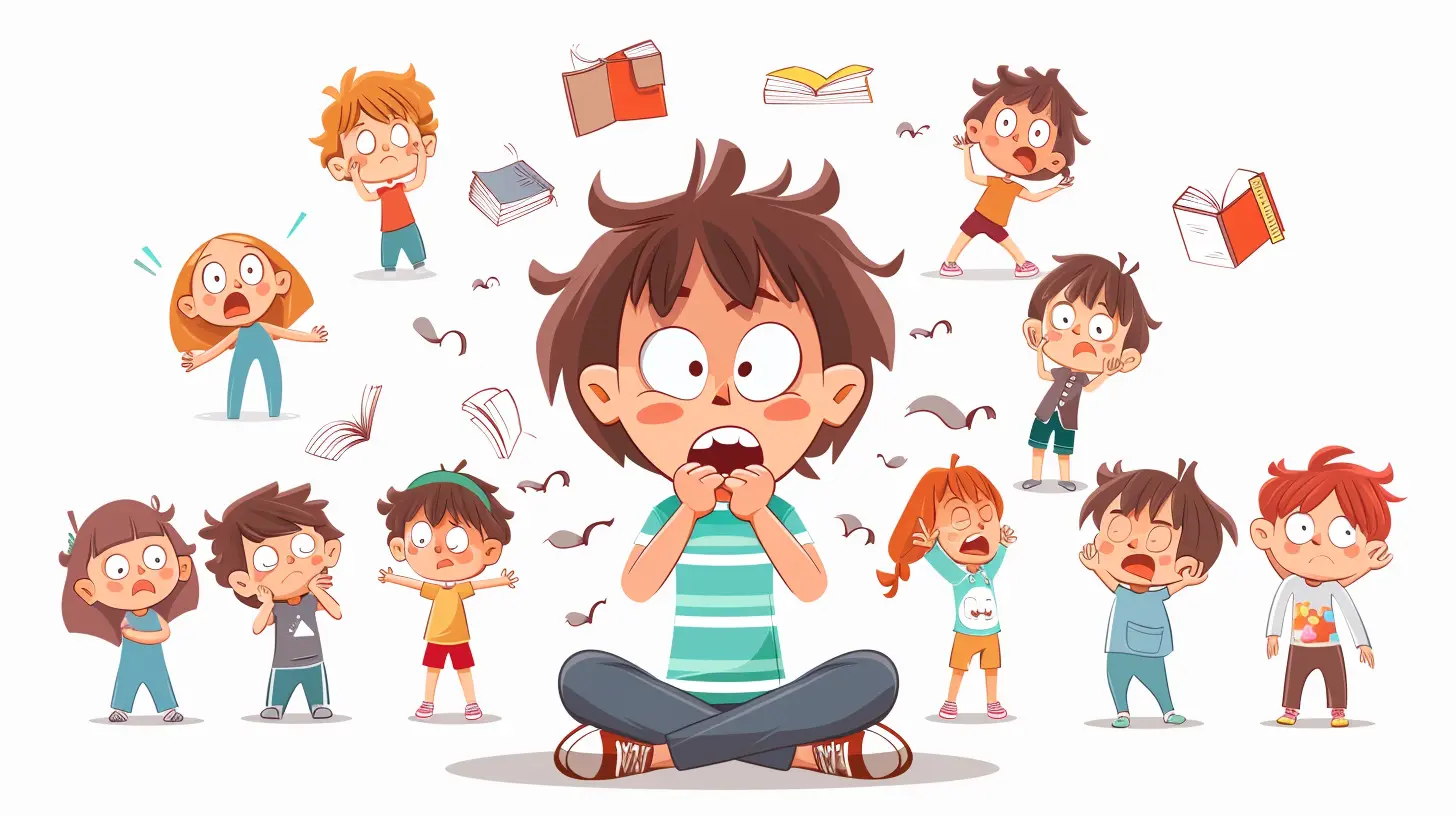
Why Teaching Coping Skills Matters
Okay, let’s start with the “why.” Why is it such a big deal to teach kids how to manage stress?Well, think of coping skills as a toolbox. When life throws a curveball — whether it’s a missed homework assignment or a fight with a best friend — your child can reach into that toolbox and pull out something helpful. Without those tools? They’re left using their bare hands to put out emotional fires. Yikes.
With good coping strategies, kids:
- Handle challenges better
- Build confidence and self-awareness
- Develop emotional regulation
- Avoid long-term issues like anxiety and depression
It’s like planting seeds of resilience now so they can grow into strong, emotionally balanced adults later.
Step 1: Recognize the Signs of Stress in Kids
Kids don’t always express stress the way grown-ups do. You might not hear “Mom, I’m feeling really overwhelmed today.” More often, their stress shows up in sneaky, unexpected ways — like mood swings, tantrums, or even tummy aches.Some common signs of stress in children include:
- Trouble sleeping
- Avoiding school or activities
- Sudden changes in behavior or appetite
- Frequent headaches or stomachaches
- Clinginess or withdrawal
- Irritability or meltdowns over small things
Start by tuning into your child’s behavior. Act as their little detective. Once you recognize these signs, you’ll know when it’s time to jump in and offer support.
Step 2: Talk About Feelings (And Actually Listen)
This one might sound obvious, but it’s surprisingly overlooked: talk about emotions.Kids need to know it’s okay to feel things — even the messy stuff. Sadness, anger, frustration, fear... these aren’t “bad” emotions, they’re just human ones. If your child learns to express how they feel rather than bottling everything up inside, you’re already halfway there.
Try saying things like:
- “It’s okay to be upset. Want to talk about it?”
- “I’ve felt that way before too.”
- “You can always tell me what’s on your mind.”
And here’s the biggie: when they do open up, resist the urge to fix everything right away. Just listen. Validate their feelings. Sometimes, knowing someone understands is more helpful than any solution.
Step 3: Name the Feeling
Ever heard the phrase “name it to tame it”? It’s a game-changer.Helping your child identify their emotions — giving those big feelings a name — makes them less scary. It gives your child power. Instead of being consumed by a tornado of emotion, they can say, “I’m feeling angry,” and start working through it.
Use a feelings chart or emotion wheel if needed. These visual aids help younger kids point out how they’re feeling without needing the exact words.
Example:
- “You seem really frustrated. Is that how you’re feeling?”
- “It’s okay to feel anxious before a test. I do too sometimes.”
Gradually, they’ll start recognizing feelings on their own and communicating them better.
Step 4: Teach Simple Coping Tools
Now we get to the heart of it — the actual coping strategies. These are the tools your child can use when stress hits them like a wave.Here are some tried-and-true favorites:
1. Deep Breathing
Stress messes with our breathing. So teaching your child to slow it down can calm both body and mind.Try this:
- “Smell the flower” (inhale)
- “Blow out the candle” (exhale)
Do it together for a few rounds. It’s quick, calming, and super easy — even for toddlers.
2. Movement and Exercise
Getting the body moving helps shake off emotional tension. Encourage your child to:- Dance
- Jump on a trampoline
- Take a walk
- Ride a bike
Even five minutes of movement can turn their mood around like magic.
3. Drawing or Journaling
Some kids express themselves better through art or writing. Give them a notebook, some crayons, or even just a blank sheet of paper.Let them draw their “bad day” or write about what made them feel upset. It’s like opening a pressure valve — the stress starts to escape.
4. Mindfulness and Grounding
Mindfulness isn’t just for adults doing yoga on cliffs in Bali. Kids can benefit too!Here’s a simple grounding activity:
- Name 5 things you see
- Name 4 things you can touch
- Name 3 things you hear
- Name 2 things you can smell
- Name 1 thing you can taste
It pulls them back into the present moment and helps calm a racing mind.
5. Positive Self-Talk
Teach your child to be their own cheerleader instead of their worst critic.Say things like:
- “You’ve got this.”
- “Mistakes help us learn.”
- “I may feel worried now, but I can handle this.”
Model this kind of talk yourself — what they hear from you becomes their inner voice.
Step 5: Create a "Calm Corner" at Home
You know how adults have their “me time” or cozy reading nook? Kids need that too. Set up a calm, comforting space in your home where your child can go when emotions run high.Fill it with:
- Soft pillows or blankets
- Fidget toys
- Coloring books
- A favorite stuffed animal
- A calming playlist
It’s not a punishment — it’s a chill-out zone. Let them know it’s totally okay (and healthy!) to take a break and reset.
Step 6: Practice Problem-Solving Together
Life is full of little problems — and teaching your child how to face them head-on builds true resilience.Let’s say your child is upset because their friend didn’t want to play at recess. Instead of brushing it off, walk them through how to handle it:
- “What happened?”
- “How did that make you feel?”
- “What do you think you could do next time?”
- “Want to practice what you might say to them?”
Treat it like coaching, not correcting. You’re their emotional trainer helping them build those mental muscles.
Step 7: Encourage Healthy Routines
Believe it or not, structure and consistency can be huge stress-busters.Make sure your child is getting:
- Enough sleep (sleep-deprived kids are emotional rollercoasters)
- Nutrient-rich meals
- Regular physical activity
- Screen time limits
- Plenty of downtime (every kid needs space to just be a kid!)
Create predictable routines and rituals — like bedtime stories or weekend family walks — that provide a sense of safety and connection. That calm foundation helps kids weather the emotional storms when they roll in.
Step 8: Be a Role Model
Here’s the truth bomb: kids learn way more from watching you than from listening to you.If you’re constantly stressed out, yelling at traffic, or freaking out over minor inconveniences, guess what? They’ll do the same.
So start modeling healthy coping for yourself:
- Talk about your feelings openly (“I’m feeling frustrated today, so I’m going for a walk to clear my head.”)
- Use your own coping tools in front of them
- Apologize when you mess up and explain what you’ll do differently next time
You don't need to be perfect — just real. Let them see what managing stress really looks like.
Step 9: Praise Progress, Not Perfection
When your child uses a coping skill — even if it’s just taking a deep breath or walking away from a bad mood — celebrate it!You might say:
- “I saw you calming down when you were upset. That was awesome.”
- “You’re getting really good at telling me when something’s bothering you.”
- “I’m proud of how you handled that disappointment.”
Positive reinforcement helps those good habits stick. And it builds your child’s belief that they can handle hard things.
Step 10: Know When to Get Extra Help
Sometimes, despite all your best efforts, your child’s stress might seem too big to handle alone. That’s okay.If you notice:
- Extreme withdrawal
- Ongoing sadness or anxiety
- Aggression
- School refusal
- Trouble functioning day-to-day
…it might be a sign to seek help from a licensed therapist or counselor. And that’s nothing to be ashamed of. It’s just another tool to help your child thrive.
Final Thoughts: Growing Strong, One Skill at a Time
Teaching your child how to cope with stress isn’t a one-and-done lesson. It’s a journey — a process. And you are their most important guide.Start small. Be patient. Show up with love.
Over time, you’ll see your child grow not just emotionally stronger, but more confident and self-aware, too.
And hey, you might just pick up a few coping skills for yourself along the way.
all images in this post were generated using AI tools
Category:
Emotional DevelopmentAuthor:

Maya Underwood
Discussion
rate this article
2 comments
Vienna Elliott
Empowering children with coping skills fosters resilience; however, it's crucial to model healthy stress management as kids often learn through observation.
March 9, 2026 at 4:23 PM
Maya Underwood
Absolutely! Modeling healthy stress management is key, as children learn best through observation. Thank you for highlighting this important aspect!
Sloan Gray
Absolutely loved this article! Teaching kids coping skills is such a wonderful gift. It empowers them to navigate challenges with confidence and resilience. Let's equip our little ones with the tools they need for a bright and balanced future! 🌟💖
February 23, 2026 at 4:37 AM
Maya Underwood
Thank you! I'm glad you found it valuable. Equipping kids with these skills really does set them up for success.