How to Teach Kids the Importance of Cleanliness
8 July 2026
Let’s be real for a second—kids and mess go together like peanut butter and jelly. From toys scattered across the living room to sticky fingers touching every surface imaginable, cleanliness isn't exactly their top priority. But here’s the twist: teaching kids the importance of cleanliness is not just about a tidy space—it's about shaping habits that stick with them for life.
As parents, it's up to us to lead by example and guide our little ones on how and why to stay clean. So, ready to turn mess monsters into cleanliness champions? Let’s dive into the nitty-gritty of how to teach kids the importance of cleanliness—without sounding like a drill sergeant.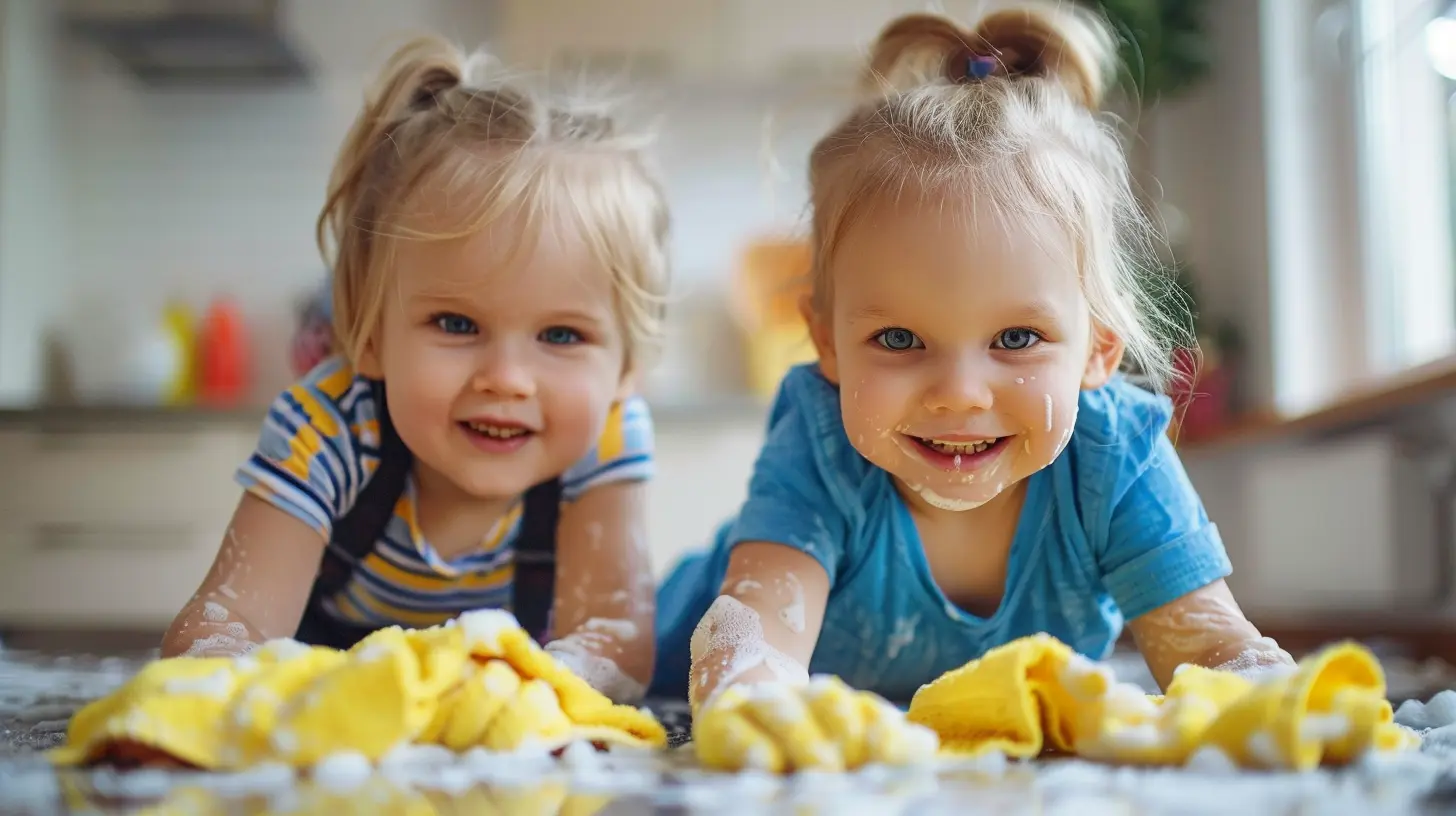
Why Cleanliness Matters More Than We Think
Before we can teach it, we’ve got to believe in it ourselves. Cleanliness isn’t just about spotless homes or pristine clothes—it’s about health, self-respect, responsibility, and even emotional well-being.Think about it: a clean environment reduces germs, creates a sense of peace, and helps kids focus better. It’s like creating a clean slate for the day—literally and mentally.
Cleanliness also teaches life skills that stretch far beyond childhood. From personal hygiene to tidying up after themselves, these are habits that pave the way for responsible, independent adults.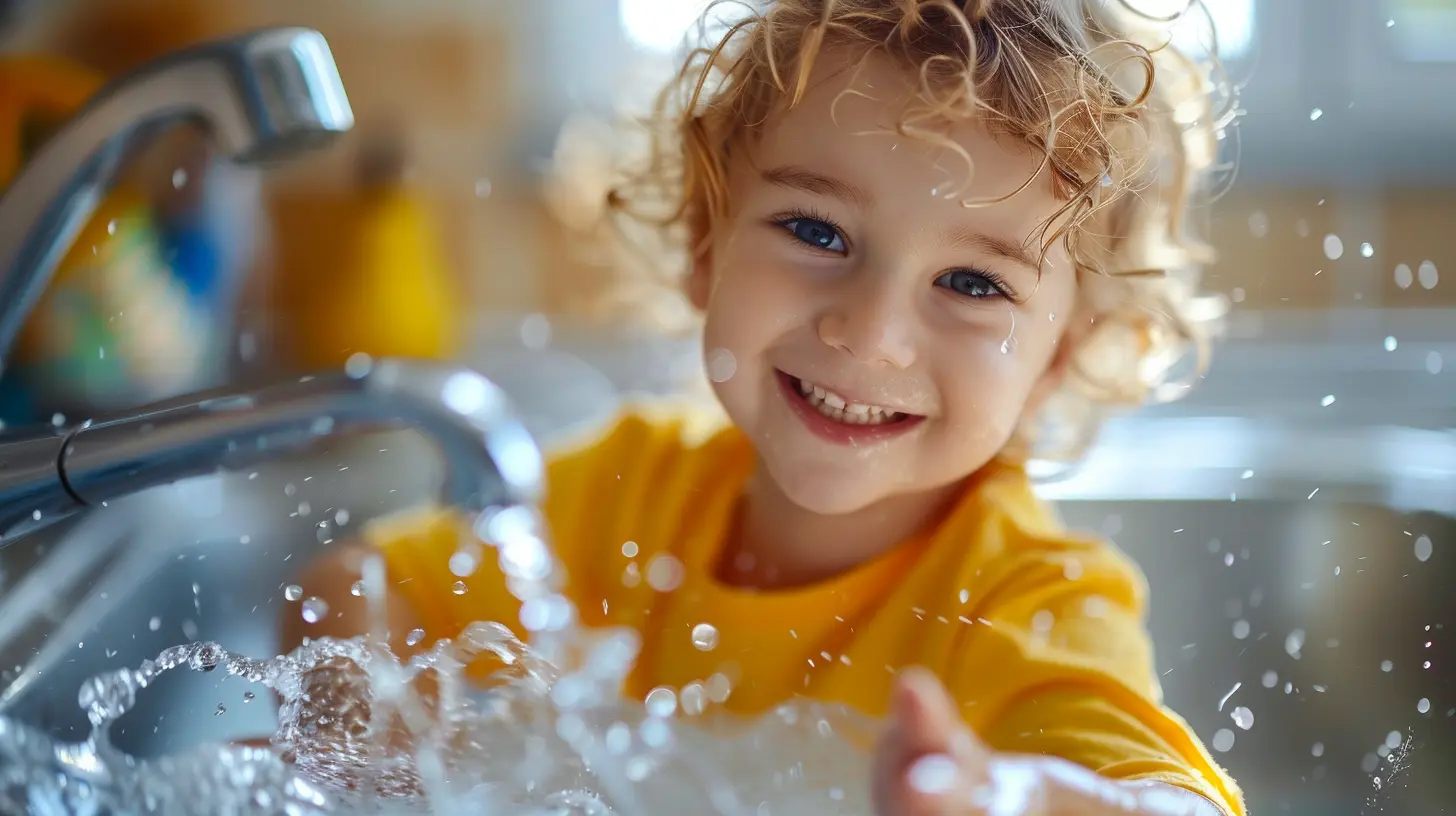
Start Small, Think Big
If you’ve ever tried to overhaul a child’s behavior overnight, you know it doesn’t work. Teaching cleanliness is all about starting small. Tiny routines lead to big habits.1. Create Simple Routines
Kids thrive on routines. They like knowing what to expect—it gives them a sense of control. So, start by weaving cleanliness into their daily rhythm.- Brushing teeth every morning and night
- Washing hands before meals and after bathroom breaks
- Putting dirty clothes in the laundry basket
- Tidying up toys before dinner
These bite-sized tasks become second nature over time, and you’ll be amazed at how quickly they catch on.
2. Make It Visual
Let’s be honest: kids don’t exactly respond well to long lectures. Show, don’t just tell.Use charts, colorful posters, or even little drawings to remind them of what needs to be done. A “Clean Room Checklist” or handwashing poster above the sink works wonders.
Visual cues are like GPS for kids—they point them in the right direction without constant reminders.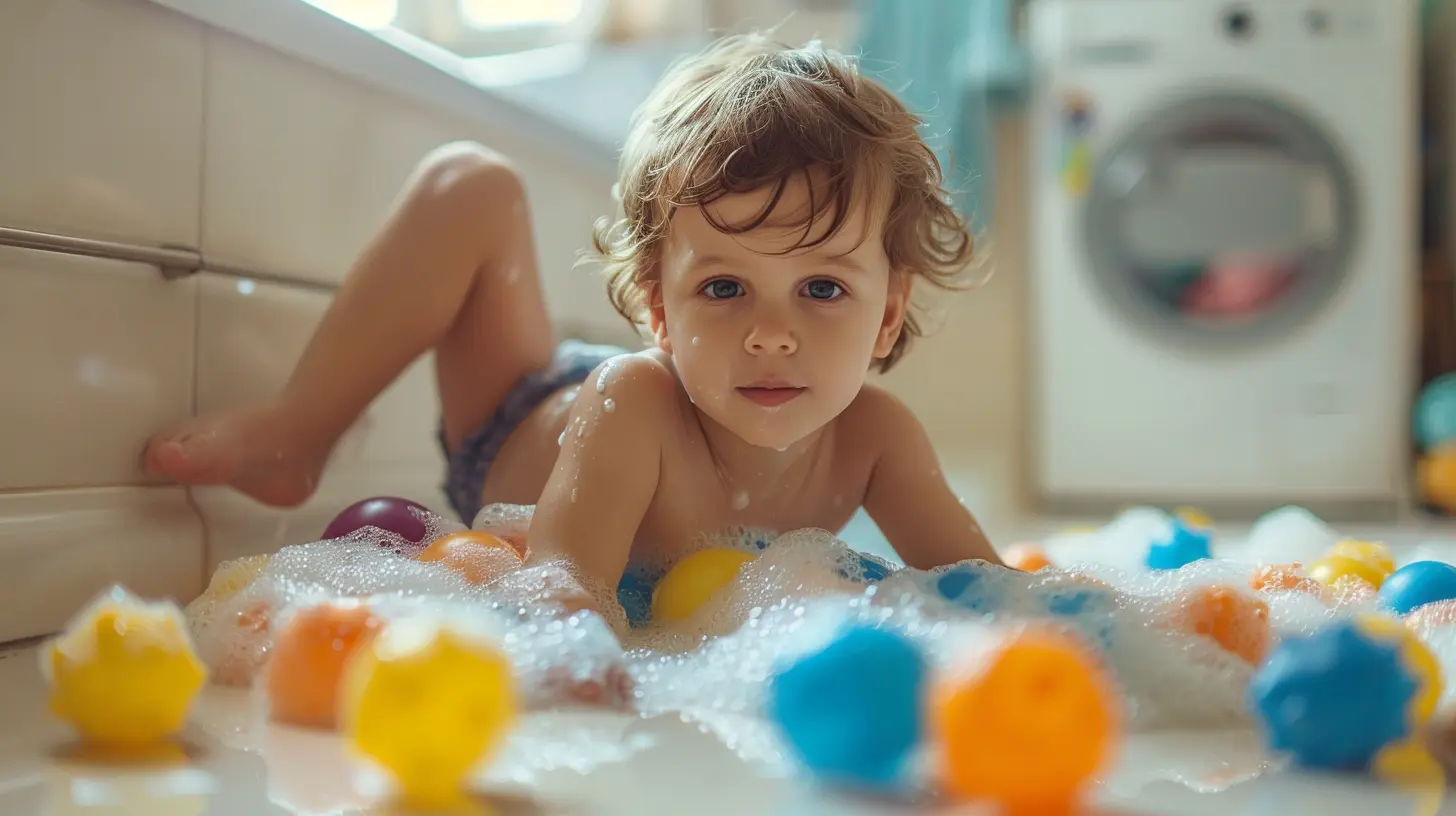
Walk the Talk
Here’s a tough pill to swallow: kids mimic what they see, not what they hear. If you leave your coffee mugs around the house or skip washing your hands after gardening, chances are, they’ll do the same.They’re watching. Always.
So, if we want them to value cleanliness, we’ve got to show them that we value it too.
- Involve them in your own cleaning routines
- Narrate your actions: “Let’s wash our hands to get those germs off!”
- Let them help you fold laundry or wipe down surfaces
Not only does this make them feel included, but it also makes cleanliness feel like a shared family value—not just a chore for the kids.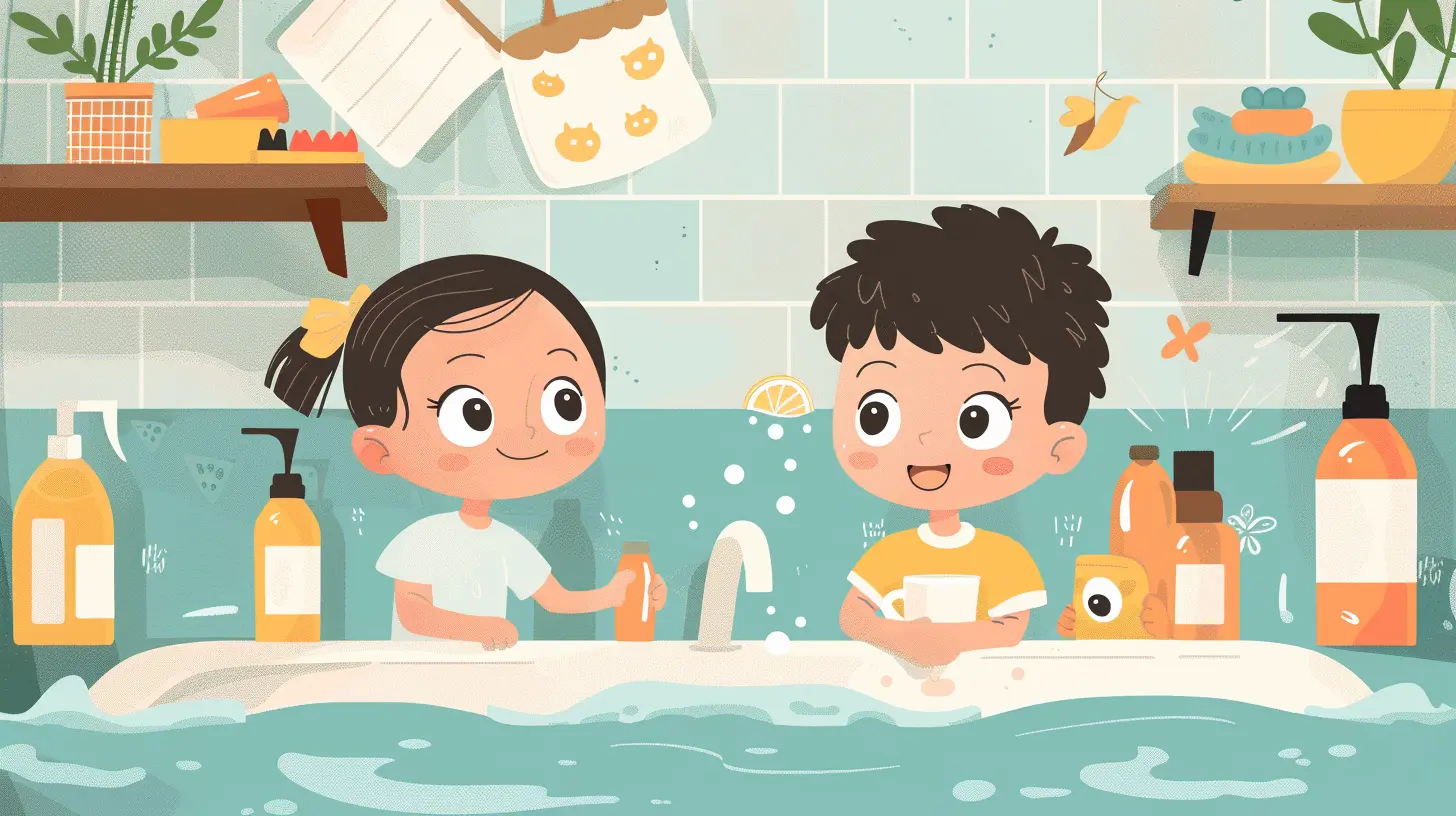
Make Cleaning Fun (Yes, It’s Possible!)
The idea of cleaning might sound like the opposite of fun, but for kids, it’s all about how you package it.1. Turn It into a Game
Race against the timer: “Can you put all your toys in the basket before this song ends?”Award points: “You get 10 points for making your bed!”
Create teams: “Let’s see if we can finish cleaning before Dad gets home!”
When cleaning feels like a challenge or an adventure, suddenly it’s not a chore—it’s a game they want to win.
2. Use Music and Movement
Dancing while dusting? Yes, please.Singing while sorting laundry? Absolutely.
Cleaning doesn’t have to be quiet and serious. In fact, the more movement and silliness involved, the more likely they’ll stick with it.
Talk About Germs (Without Scaring Them)
Kids might not understand the why behind handwashing unless we explain it in a way that makes sense to them.Instead of scaring them with tales of sickness, explain it like this:
“Germs are like invisible bugs that can make us feel icky. Washing our hands sends them down the drain!”
Use glitter to show how germs spread. Put a dab of glitter glue on their hands and have them touch objects—suddenly, everything has “germs.” Then, show how soap and water can wash them away. It's fun, messy, and super effective.
Praise Progress, Not Perfection
It’s easy to get caught up in doing things the right way (especially when you just want the bathroom scrubbed properly). But here’s the thing: if we nitpick, we discourage.So what if they folded the towel lopsided or missed a spot while sweeping? Acknowledge the effort, not the outcome.
“Wow, you really worked hard to clean your room today!”
“I love how you remembered to brush your teeth without being told!”
Positive reinforcement builds confidence, and that confidence keeps them motivated.
Introduce Responsibility, Step by Step
Cleanliness goes hand-in-hand with responsibility. And like all good things, it starts small and grows.Age-Appropriate Tasks
Here’s a quick breakdown of what kids can handle:- Toddlers (2–3 years): Pick up toys, wipe spills, put clothes in hamper.
- Preschoolers (4–5 years): Make bed, water plants, dress themselves.
- School-age (6–9 years): Set the table, sweep floors, help sort laundry.
- Preteens (10–12 years): Clean bathroom sink, vacuum, fold laundry.
By gradually increasing responsibility, kids feel empowered and trusted. And guess what? They often rise to the occasion.
Teach Personal Hygiene as Self-Love
Cleanliness isn’t just about surroundings—it’s also about self-care.Brushing teeth, bathing regularly, wearing clean clothes—these aren’t just chores. They’re acts of self-respect.
Let your kids know: taking care of your body is how we show love to ourselves.
Frame personal hygiene positively:
- “We brush our teeth so they stay strong and shiny.”
- “A clean body helps us feel fresh and ready to take on the day.”
Avoid making hygiene feel like punishment or obligation. Instead, empower them to take pride in it.
Consistency Beats Perfection
Real talk: there will be messy days. Life happens. And that’s okay.What matters most is consistency—not perfection. Kids might forget or push back (hello, stubborn streaks!), but if we stay consistent, the message will stick.
Keep showing up. Keep modeling. Keep reminding. Over time, those seeds you’re planting will bloom into lifelong habits.
When Kids Resist: What to Do
Let’s face it. Not every kid is going to jump for joy at the mention of cleaning. Resistance is part of the process.Here’s how to handle it when your kid digs in their heels:
1. Stay Calm: Frustration only fuels resistance.
2. Offer Choices: “Do you want to clean your room before or after lunch?”
3. Use Consequences Wisely: “If we don’t clean up now, we can’t play later.”
4. Get Curious: “You seem upset. Want to tell me what’s bothering you?”
Sometimes, resistance isn’t about the task—it’s about feeling overwhelmed or unheard.
Connect Cleanliness to Bigger Values
The goal isn’t just to have tidy kids. The goal is to raise humans who understand how their actions affect their environment—and others.Cleanliness teaches:
- Respect for shared spaces
- Empathy for others (nobody wants to sit in someone else’s mess)
- Teamwork and contribution
- Self-worth and pride in one’s space and body
In other words, teaching cleanliness is really about teaching character.
Final Thoughts
So, how do you teach kids the importance of cleanliness? You show them. You involve them. You make it fun, consistent, and meaningful. You turn it from a chore into a value.It’s not about spotless homes or perfect habits—it’s about helping our kids grow into people who respect themselves and their environment. And isn’t that what parenting is all about?
Let’s raise kids who don’t just clean because we told them to—but because they understand why it matters.
all images in this post were generated using AI tools
Category:
Life Skills For KidsAuthor:

Maya Underwood
Discussion
rate this article
1 comments
Coral Fields
Instilling a sense of cleanliness in children goes beyond hygiene; it teaches respect for their environment and others. A clean space fosters clarity and opens the door to creativity and growth.
July 24, 2026 at 4:27 AM
Maya Underwood
Absolutely, cleanliness is about more than just hygiene. It builds respect and encourages a healthy mindset for creativity and personal growth.