How to Talk to Your Kids About Healthy Screen Habits
8 November 2026
In today's digital age, screens are an integral part of daily life. From smartphones to tablets and televisions, children are exposed to screens from a very young age. As parents, it is crucial to navigate this landscape carefully, ensuring that our children develop healthy screen habits. This can be challenging, but with the right approach, we can guide them toward a balanced relationship with technology.
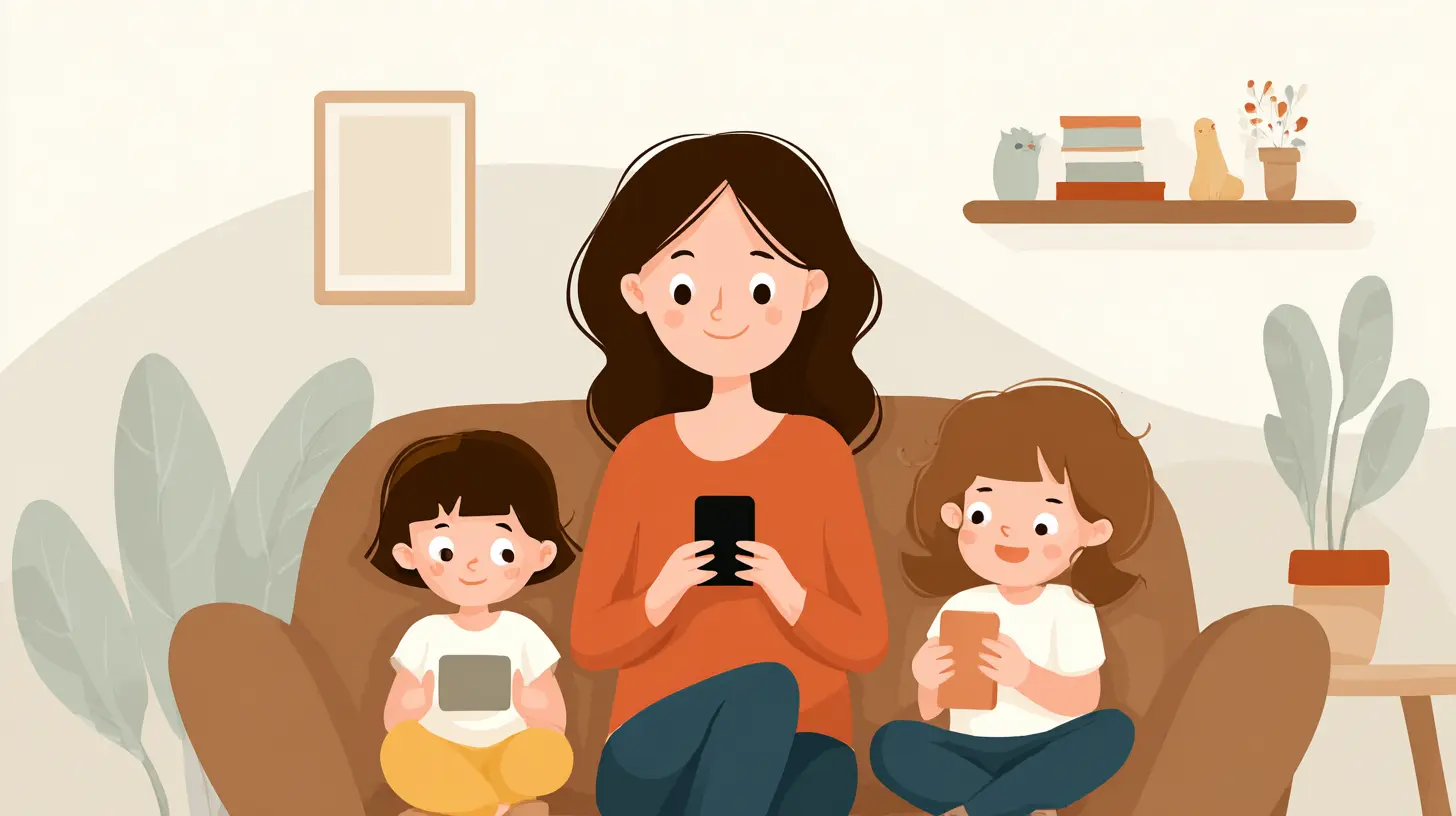
Understanding Screen Time
What is Screen Time?
Screen time refers to the amount of time spent using devices with screens, such as computers, smartphones, tablets, and televisions. It encompasses activities like watching videos, playing games, using educational apps, and browsing the internet. Not all screen time is created equal; distinguishing between passive and active screen time is essential.Passive vs. Active Screen Time
Passive screen time includes activities where children are simply consuming content, such as watching movies or scrolling through social media. Active screen time, on the other hand, involves interactive experiences, like playing educational games or participating in video calls. While both types of screen time have their place, promoting active engagement is generally more beneficial for children's development.
The Importance of Healthy Screen Habits
Why Healthy Screen Habits Matter
Establishing healthy screen habits is vital for several reasons:1. Physical Health: Prolonged screen time can lead to a sedentary lifestyle, contributing to obesity and related health issues. Encouraging breaks and physical activity can mitigate these risks.
2. Mental Well-being: Excessive screen time is linked to anxiety, depression, and social isolation. Teaching kids to balance their online and offline lives fosters better mental health.
3. Cognitive Development: Children require a variety of experiences to stimulate cognitive growth. Over-reliance on screens can limit exposure to diverse learning opportunities.
4. Social Skills: Face-to-face interactions are crucial for developing social skills. If children spend too much time in front of screens, they may struggle in social situations.

Key Strategies for Communicating About Screen Habits
Start the Conversation Early
Begin discussing screen habits as soon as your child shows interest in screens. For younger children, this might involve setting boundaries around when and how long they can use devices. For older kids, engage them in discussions about their screen time and its effects.Use Clear and Simple Language
When talking to younger children, use language they can easily understand. For instance, instead of saying "excessive screen time can lead to health issues," you could say, "too much time on screens can make your eyes tired and make it hard to sleep."Encourage Open Dialogue
Create an environment where your children feel comfortable discussing their screen time. Ask open-ended questions about what they enjoy doing online and how it makes them feel. This can help you gauge their relationship with screens and guide the conversation appropriately.Set Realistic Expectations
While it's important to set guidelines, be realistic about what can be achieved. If your child is already accustomed to a particular routine, drastic changes may lead to resistance. Instead, aim for gradual adjustments that feel manageable.
Establishing Screen Time Guidelines
Create a Family Media Plan
A family media plan outlines how screen time will fit into your family's overall routine. Consider the following elements when creating one:1. Daily Limits: Set reasonable daily screen time limits based on your child's age and developmental needs. The American Academy of Pediatrics offers guidelines that can serve as a helpful starting point.
2. Content Selection: Choose quality content that aligns with your family's values. Encourage educational programming or interactive games that promote learning.
3. Device-Free Zones: Designate areas in your home where screens are not allowed, such as the dining room or bedrooms. This fosters family connection and encourages healthier habits.
4. Screen-Free Times: Establish certain times of day when screens are off-limits, such as during family meals or before bedtime. This can help create a routine that prioritizes face-to-face interaction.
Lead by Example
Children often mimic their parents' behavior. Be mindful of your screen habits, demonstrating a balanced approach to technology use. Show them that while screens can be enjoyable, there are also plenty of offline activities that are important.Common Mistakes to Avoid
Ignoring the Quality of Content
Focusing solely on the quantity of screen time can lead to overlooking the quality of the content. Encourage your children to engage with educational and age-appropriate materials. This helps ensure that their screen time is enriching rather than mindless.Overreacting to Screen Use
It's easy to fall into the trap of demonizing screens entirely. Instead of reacting negatively, approach the topic with curiosity. Discuss what your child enjoys about their screen time and help them reflect on their feelings and experiences.Failing to Adjust as Kids Grow
As children mature, their needs and interests change. Be open to revisiting and adjusting your family's media plan as necessary. What works for a preschooler may not be suitable for a tween or teen.
Encouraging Healthy Alternatives to Screen Time
Promote Outdoor Activities
Encourage outdoor play to provide a physical outlet for your child's energy. Activities like biking, hiking, or simply playing in the yard can promote physical health and stimulate creativity.Foster Creativity Through Hobbies
Introduce your child to hobbies that don't involve screens, such as drawing, painting, or playing a musical instrument. These activities can enhance creativity and provide fulfilling alternatives to screen time.Organize Family Activities
Plan regular family outings or game nights that do not involve screens. This can strengthen family bonds while creating lasting memories.Encourage Social Interactions
Facilitate opportunities for your child to interact with peers in person. Organize playdates, group activities, or sports teams to help them develop social skills in a real-world context.Navigating Social Media with Teens
Understanding the Landscape
As children enter their teen years, social media becomes a more significant aspect of their lives. Understanding the platforms they use is crucial in guiding discussions about their online presence.Open Lines of Communication
Encourage your teen to talk about their social media experiences. Ask about their thoughts on online interactions and any challenges they face. This can help you provide support and guidance when needed.Discuss Privacy and Safety
Talk about the importance of privacy settings, sharing personal information, and the consequences of online behavior. Equip your teen with knowledge to navigate social media safely and responsibly.Be Mindful of Mental Health
Monitor how social media affects your teen's mental health. Encourage them to take breaks if they feel overwhelmed. Discuss the importance of curating their online experience by following accounts that promote positivity.
Balancing Technology Use in the Family
Involve Everyone in the Conversation
Addressing screen habits should involve all family members. Encourage siblings to share their perspectives, fostering a collective understanding of healthy technology use.Regularly Review the Family Media Plan
Schedule periodic discussions to review your family's media plan. Adjustments may be necessary based on changing schedules, interests, or values.Celebrate Achievements
Recognize and celebrate when family members successfully adhere to screen time guidelines. This positive reinforcement can motivate everyone to maintain healthy habits.Conclusion
Talking to your kids about healthy screen habits requires patience, understanding, and open communication. By establishing clear guidelines, promoting engaging alternatives, and fostering an environment of dialogue, you can help your children develop a balanced relationship with technology. Remember, it is not just about limiting screen time but about ensuring that the time spent on screens is enriching and beneficial for their overall development.
all images in this post were generated using AI tools
Category:
Screen Time LimitsAuthor:

Maya Underwood

