How to Organize Family Chore Time Without Drama
12 June 2026
Managing chores in any household can feel like trying to herd cats, right? Everyone has their own schedule, their own preferences, and let’s face it—no one really wants to scrub the toilet or take out the trash. But the truth is, getting the whole family involved in keeping the house running smoothly is key to avoiding burnout (especially for parents) and teaching kids responsibility.
That said, chore time doesn’t have to be a battleground filled with sighs, groans, or rolled eyes. It’s entirely possible to organize family chore time without drama, tantrums, or resistance. Sound too good to be true? Stick with me, and I’ll show you how to make it happen.
Why Sharing Chores Matters
Before diving into the nitty-gritty, let’s get one thing clear—shared chores aren’t just about maintaining a tidy house. They’re about creating a sense of teamwork, accountability, and fairness. When kids participate in household tasks, they learn valuable life skills like time management and responsibility. Plus, it shows them that family life is a collective effort, not a one-person show (AKA “Mom or Dad does everything”).Think of it this way: A household is like a little company. If one person handles every single task? Burnout city. When everyone pitches in? The company thrives! But how do you make sharing chores less of a “chore” (pun intended)? Let’s break it down.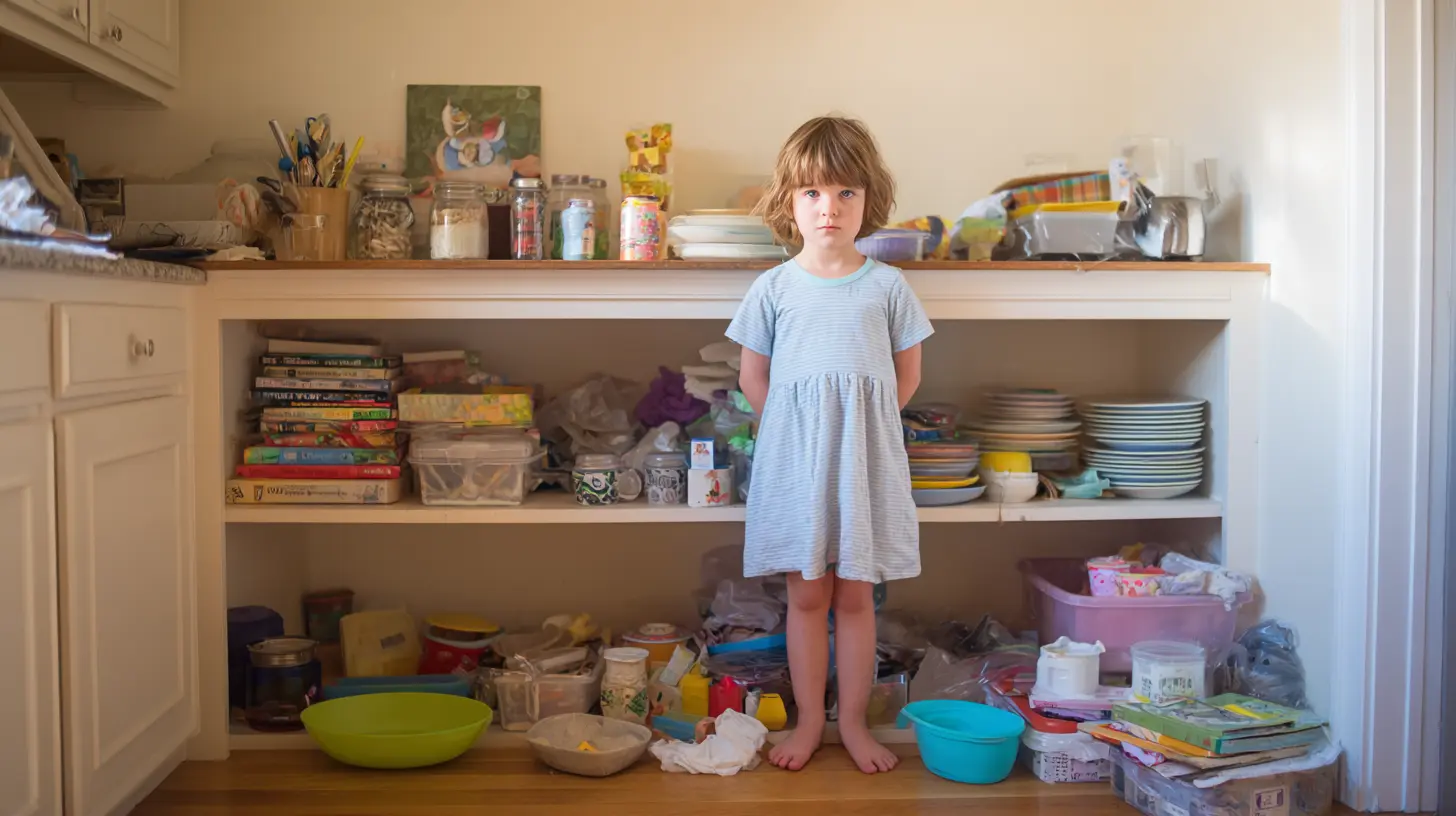
Step 1: Set Clear Expectations
Nobody likes ambiguity, especially when it comes to chores. If your expectations aren’t crystal clear, you’re setting yourself (and your family) up for misunderstandings and excuses.Create a Chore List
Start by listing out all the chores that need to be done, from big jobs like vacuuming the living room to smaller ones like feeding the dog. Be thorough! Once you’ve got your master list, you can divvy up tasks more easily.Define What “Clean” Means
Ever told your kid to “clean their room” only to find out their version of clean means shoving everything under the bed? Yeah, me too. Avoid this by being specific about what “done” looks like for each chore. For example:- “Cleaning your room” means making the bed, picking up toys, and putting laundry in the hamper.
- “Washing the dishes” means rinsing, scrubbing, and loading them into the dishwasher—not just stacking them in the sink.
When everyone knows exactly what’s expected, there’s less room for arguments. 
Step 2: Make It a Collaborative Effort
Chores shouldn’t feel like a punishment or a power struggle. The family that works together stays together!Host a Family Meeting
Sit everyone down and talk about why chores matter. Explain how sharing the load benefits the entire household. Keep it positive—don’t lecture. Instead, treat this as an open discussion where everyone gets a say.Pro tip: If kids feel involved in the decision-making process, they’re more likely to buy into the system.
Ask for Preferences
Some people hate vacuuming but don’t mind folding laundry. Others would rather clean the bathroom than cook dinner. Before assigning tasks, ask your family members which chores they’d rather do. You may not be able to honor every request, but accommodating a few preferences can reduce resistance.
Step 3: Create a Chore Schedule
Raise your hand if you’ve ever forgotten whose turn it was to take out the trash. (Guilty!) To avoid confusion, put a chore schedule in writing.Use a Chore Chart
A chore chart is like a scoreboard for your family’s cleaning game. You can create a simple DIY version on a whiteboard or explore printable templates online. Assign tasks to each person and designate specific days for completion.Rotate Tasks
Nobody wants to be stuck doing the same chore forever. Rotating tasks weekly or monthly keeps things fair and gives everyone a chance to try their hand at different responsibilities.Step 4: Make Chores Fun (Yes, Really)
Okay, let me clarify: Chores might never be fun-fun like a trip to the amusement park, but you can make them less boring.Turn It Into a Game
Challenge your family to finish their chores in a set amount of time. Set a timer, and whoever finishes first (while doing a thorough job) gets a small reward. You could also create a point system where everyone earns points for completing tasks, redeemable for prizes like choosing movie night’s feature film.Add Music
Ever noticed how a good playlist makes even the most mundane tasks a little more bearable? Crank up some energetic music while cleaning. Bonus points if it turns into a dance party mid-vacuum.Step 5: Be Consistent
Consistency is the glue that holds your chore system together. If chore time is sporadic or you let things slide, you’ll eventually end up back at square one.Stick to the Schedule
Make chore time a non-negotiable part of your family routine. You don’t skip brushing your teeth, right? Treat chores the same way.Follow Through on Consequences
If someone skips their chore, there should be a natural consequence. For example, if your child forgets to take out the trash, they might have to deal with the overflowing bin next time. The goal isn’t to punish but to teach accountability.Step 6: Show Appreciation
Nobody wants to feel like their hard work is going unnoticed. A little gratitude goes a long way in motivating your family to keep up with their chores.- Offer praise: A quick “Hey, thanks for cleaning the bathroom—it looks great!” makes a big difference.
- Celebrate milestones: Finished a big, once-in-a-while chore like organizing the garage? Celebrate with a small treat or family outing.
Remember, you’re working together as a team, and teams thrive on mutual support.
Step 7: Be Flexible When Needed
Life happens. Maybe soccer practice runs late, or your teenager has a big test coming up. It’s okay to adjust the schedule when necessary, as long as it doesn’t become a habit.You can also swap chores occasionally if someone genuinely can’t stand a particular task. Flexibility shows your family that you’re fair, which helps keep the peace.
The Role of Modeling
Kids learn by watching, so if you tackle your own chores with a positive attitude, they’re more likely to follow suit. Grumbling about laundry or procrastinating on dishes sends the wrong message. Embrace the process, even when it’s not your favorite thing in the world, and your family will take note.Troubleshooting Common Issues
What if your teen still refuses to pitch in? Or your partner conveniently “forgets” their chore? Here’s how to tackle some common hiccups:- Issue: “I’m too busy.”
Solution: Acknowledge their schedule, but remind them that chores are a part of life. Offer to adjust the timeline if needed but stick to the expectation.
- Issue: “I didn’t know it was my turn.”
Solution: Refer back to the chore chart. No excuses!
- Issue: Sloppy work.
Solution: Politely point out spots they missed and explain how to do it correctly next time. Repetition is key.
Conclusion
Organizing family chore time doesn’t have to feel like pulling teeth. By setting clear expectations, making it a team effort, and even sprinkling in a little fun, you can banish the drama and build a household where everyone does their part. Remember, it’s not just about clean floors and empty trash cans—it’s about fostering teamwork, responsibility, and respect within your family.So, what are you waiting for? Grab a chore chart, gather your crew, and start building a system that works for everyone.
all images in this post were generated using AI tools
Category:
Kids And ChoresAuthor:

Maya Underwood
Discussion
rate this article
1 comments
Ryan Gill
Great tips! Organizing chore time can really transform family dynamics. It's all about teamwork and communication. When everyone pitches in, not only do chores get done faster, but you create lasting memories. Keep it light and fun, and you might even enjoy the process!
June 18, 2026 at 2:57 PM
Maya Underwood
Thanks for your thoughts! Teamwork definitely makes a difference, and it's great to hear you emphasize fun in the process.