How to Guide Children in Building Strong Social Skills
7 May 2026
As parents, one of the most powerful gifts we can give our kids is the ability to connect with others. Social skills are more than just saying "please" and "thank you" (though those are important too!). They're about helping our children build meaningful relationships, work through conflicts, express themselves clearly, and show empathy.
The world today is more connected than ever, but oddly, many children (and adults too!) struggle with basic interpersonal skills. So, how do we raise socially intelligent kiddos who can thrive in friendships, family relationships, school, and beyond?
In this comprehensive guide, we’ll walk through practical, real-life strategies to help you guide your children in building strong social skills—step by step.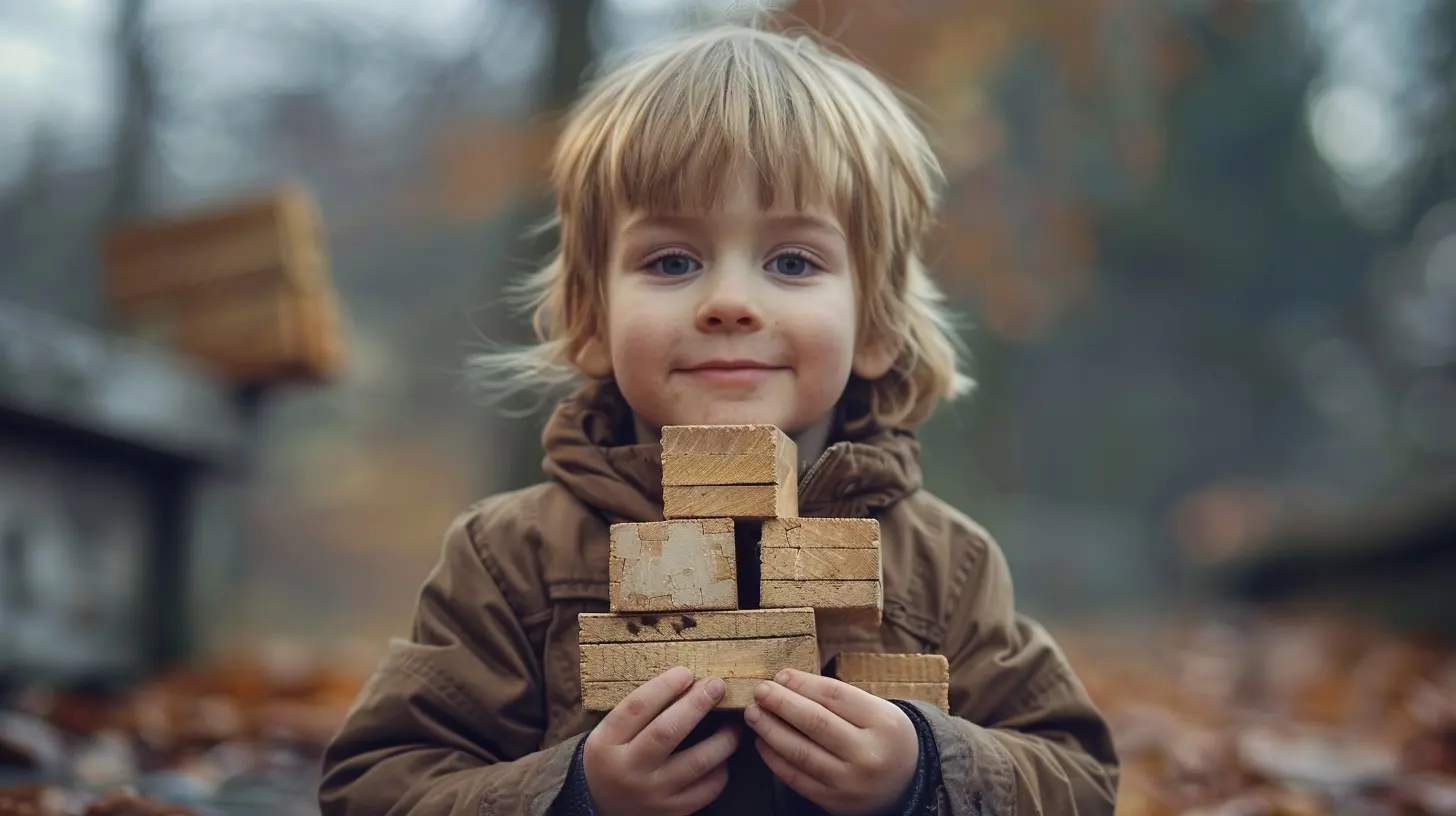
Why Social Skills Matter More Than Ever
Let’s face it—strong social skills open doors.From making friends on the playground to collaborating on school projects, these skills impact every part of a child’s life. But it doesn’t stop there. As they grow, the way they interact with others will shape their opportunities, happiness, and emotional well-being.
Children with strong social skills:
- Are generally happier and more confident
- Handle conflicts with more maturity
- Do better in school and group activities
- Are better prepared for adulthood and the workplace
So, teaching them how to make a friend or resolve a disagreement isn’t just about good manners—it’s laying the foundation for future success.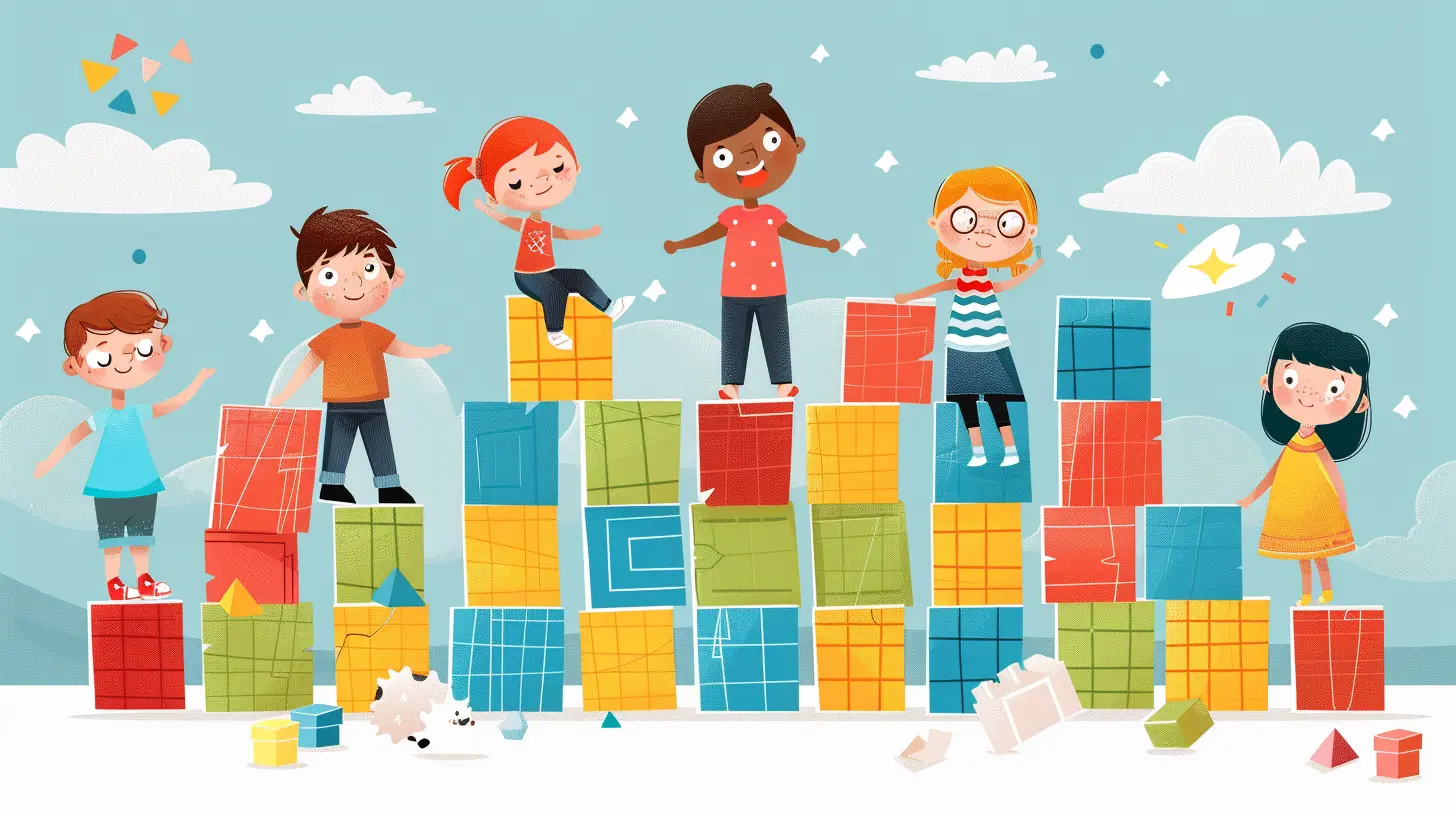
Start With the Basics: What Are Social Skills?
Before we jump into the “how-to,” let’s get clear on what we’re actually teaching.At their core, social skills are all the tools we use to interact with others in a positive way. Here are a few key ones:
- Listening actively
- Taking turns in conversations
- Reading body language and facial expressions
- Expressing emotions appropriately
- Cooperating and sharing
- Showing empathy and kindness
- Handling conflicts and apologies
Think of these skills like social “muscles.” The more your child practices, the stronger they get!
Model the Behavior You Want to See
Here’s some tough love—the number one way children learn social skills is by watching you.Yup, they’re little sponges, soaking up everything we do. So if you want your child to grow up being respectful, compassionate, and assertive, you need to show them what that looks like in action.
- Speak to others with kindness and respect—even when you're frustrated.
- Greet people warmly and make eye contact.
- Show empathy when someone’s upset.
- Admit mistakes and apologize when needed.
Kids don’t need lectures. They need examples. When you model calm communication and healthy boundaries, you give them a real-world template to follow.
Practice Through Play: The Secret Power of Pretend
Want to know one of the most underrated tools for building social skills? Play. Especially pretend play.Whether it’s playing house, building Legos, or staging a superhero showdown, playtime gives kids the chance to practice conversations, problem-solving, and emotional regulation—all in a safe, low-stress environment.
Here’s how to use playtime as a learning tool:
- Jump into role-playing with your child. Practice scenarios like introducing yourself, asking to play, or taking turns.
- Use toys or puppets to act out common social situations.
- Reinforce positive behavior during playtime. Say things like, “I love how you let your friend go first. That was kind!”
Play isn’t just fun—it’s rehearsal for the real world.
Teach Empathy Early (and Often)
Empathy is the golden thread that ties all social skills together. It’s what helps your child understand how others feel, which then influences how they act.Here are some simple ways to teach empathy at home:
- Label emotions. Teach your child to recognize and name feelings—both their own and others’. For example, “You look frustrated. Is it because your blocks fell over?”
- Ask perspective-taking questions. When reading books or watching shows, ask, “How do you think that character felt?”
- Share your own feelings. Let your child see you express your own emotions in healthy ways.
Remember: you’re wiring your child’s emotional intelligence one conversation at a time.
Create Opportunities for Social Interaction
You can’t learn to swim by reading a book. And your child can’t develop social skills by staying isolated at home.Make it a point to create regular opportunities where your child can interact with others:
- Schedule playdates with kids of different ages
- Enroll them in group activities like sports, dance, or art class
- Attend community events or storytime at the library
These social situations may come with hiccups (like sharing battles or misunderstandings)—but that’s part of the learning process. Be there to guide your child, not to rescue them from every uncomfortable moment.
Coach, Don’t Control
When your child hits a social snag, it’s tempting to jump in and fix things right away. But growth happens when kids struggle a bit and figure things out.Instead of solving problems for them, coach them through it.
Let’s say your child had a fight with a friend. Instead of saying, “You need to go apologize,” try:
- “What happened, and how did it make you feel?”
- “How do you think they felt?”
- “What could you do to help fix things?”
Not every moment needs a lecture. Sometimes just asking guiding questions helps your child build their own internal compass.
Role-Play Real-Life Scenarios
Kids often struggle with what to say or do in new situations. That’s where role-playing can be a game-changer.You can practice:
- Greeting someone new
- Asking to join a game
- Saying no politely
- Apologizing after a mistake
- Accepting a compliment
Keep it light and fun—maybe even switch roles to keep your child engaged. The more they rehearse these moments, the more confident they’ll be when the real thing comes along.
Praise the Process, Not Just the Result
We all love to hear “Good job!” but when it comes to building social skills, the kind of praise you give matters.Focus on effort and specific behavior, like:
- “You did a great job listening when your friend was talking.”
- “I noticed you waited your turn so patiently—awesome!”
- “That was really kind of you to include your sister in the game.”
When you praise specific actions, your child learns what behaviors to repeat.
Set Clear Expectations and Boundaries
Believe it or not, kids feel safest when they know the rules.Set clear social expectations at home, like:
- "In our family, we speak respectfully to each other."
- "We take turns and share during playtime."
- "It’s okay to feel angry, but it’s not okay to hit."
Be consistent with these expectations, and follow through with gentle consequences when needed. Strong social skills are closely tied to emotional regulation—and that starts by teaching limits.
Help Your Child Handle Friendship Ups and Downs
Let’s be honest—navigating friendships can be tricky, even for adults! So when your child comes home upset after a falling out with a friend, don’t just brush it off.Instead:
- Listen without judgment. Sometimes they just need to vent.
- Normalize the feelings: “It makes sense that you feel hurt.”
- Help problem-solve: “What do you want to do about it?”
- Support, but don’t micromanage. Let them work things out when possible.
Remember, every scrape and stumble is a chance to build resilience and learn better ways to connect.
Encourage Emotional Intelligence at Every Age
Social skills and emotional intelligence go hand in hand. The better your child can manage their own emotions, the better they'll interact with others.Here’s how you can build emotional intelligence daily:
- Use a feelings chart to help kids identify emotions
- Talk about your day and how certain moments made you feel
- Teach calming strategies like deep breathing or counting to ten
Emotionally smart kids don’t avoid their feelings—they learn how to recognize and respond to them effectively.
Don’t Forget Digital Manners
In today’s screen-filled world, social skills need to extend beyond face-to-face interactions.Teach your child how to be respectful and considerate online:
- Talk about tone in texts and emails
- Explain what’s appropriate to share (and what’s not)
- Model screen-free time and eye contact during conversations
Digital communication is here to stay—so let’s make sure our kids know how to handle it with grace.
Celebrate Progress, Not Perfection
Building strong social skills isn’t a one-and-done deal. It’s a lifelong journey. There will be setbacks, awkward moments, and cringe-worthy choices.But don’t worry—that's all part of growing up.
Celebrate every small step forward. Every “please” without a reminder, every kind gesture, every hard conversation they tackle with courage.
Because in the end, it’s not about raising perfect kids—it’s about raising kind, confident, emotionally intelligent humans.
Final Thoughts
Teaching your child social skills isn’t about cramming them with dos and don’ts. It’s about walking alongside them—as their guide, coach, and biggest cheerleader.So don’t stress if your kid’s still figuring it out (aren’t we all?). With consistent support, plenty of practice, and the right mindset, they’ll gradually grow into someone who knows how to connect, communicate, and thrive in any social situation.
And that, my friend, is a gift that lasts a lifetime.
all images in this post were generated using AI tools
Category:
Life Skills For KidsAuthor:

Maya Underwood
Discussion
rate this article
2 comments
Xander Morales
Great article! Encouraging kids to practice social skills through role-playing and group activities can really make a difference. Also, modeling positive interactions yourself provides a powerful example. It's amazing how small changes in our approach can lead to big improvements in their confidence and friendships.
July 12, 2026 at 4:29 AM
Maya Underwood
Thanks for your feedback! I completely agree-modeling positive interactions and using engaging activities can really transform kids' social skills.
Alexander Rosales
Encouraging open communication and providing diverse social interactions can help kids develop the confidence and skills they need to thrive socially.
May 13, 2026 at 3:04 AM
Maya Underwood
Absolutely! Fostering open communication and varied interactions is key to helping kids grow their confidence and social skills. Positive experiences shape their future relationships.