Helping Kids Understand and Manage Their Fears
6 March 2026
Fear is as much a part of childhood as scraped knees and sticky fingers. Whether it's the monster under the bed, the dark hallway, or the dreaded school play, kids have fears—some big, some small, and some that make no sense to anyone over the age of five.
As parents, it's our job to help them navigate these anxieties without turning into scaredy-cats ourselves. But how do you convince a five-year-old that the vacuum cleaner isn’t secretly plotting world domination? Let’s dive into the fun (and sometimes frustrating) journey of helping kids understand and manage their fears. 
Why Are Kids So Afraid of Everything?
Let’s face it—kids have incredibly active imaginations. One minute, they’re pretending to be superheroes, and the next, they’re convinced their closet is a portal to a monster convention.But fear isn’t just about an overactive imagination; it's actually a natural and necessary emotion. It helps keep kids safe. If they weren’t at least a little afraid of strangers, fire, or deep water, parenting would be an extreme sport.
However, when fears start interfering with daily life—like refusing to sleep alone, avoiding social situations, or being terrified of harmless things (balloons, anyone?)—it’s time to step in and offer some guidance. 
Common Childhood Fears (And Why They Make Sense)
Each age group has its own “menu” of classic fears. Here’s a little breakdown:Toddlers (Ages 1-3)
- Loud noises (vacuum cleaners, thunderstorms, barking dogs)- Separation from parents (a.k.a. the dreaded daycare drop-off meltdown)
- Costumed characters (Sorry, Mickey Mouse.)
Preschoolers (Ages 3-5)
- The dark (because obviously, that's when monsters come out)- Imaginary creatures (ghosts, witches, that shadow in the corner)
- Thunder, lightning, and things that go "BOOM"
School-Age Kids (Ages 6-12)
- Failure (Hello, perfectionism!)- Scary movies (Turns out, watching "Jaws" at eight wasn't a great idea)
- Social embarrassment (The horror of waving at someone who doesn’t wave back!)
While these fears seem irrational to us, they feel very real to kids. So how do we help without just saying, “Oh honey, that’s silly”? (Because trust me, that does not help.) 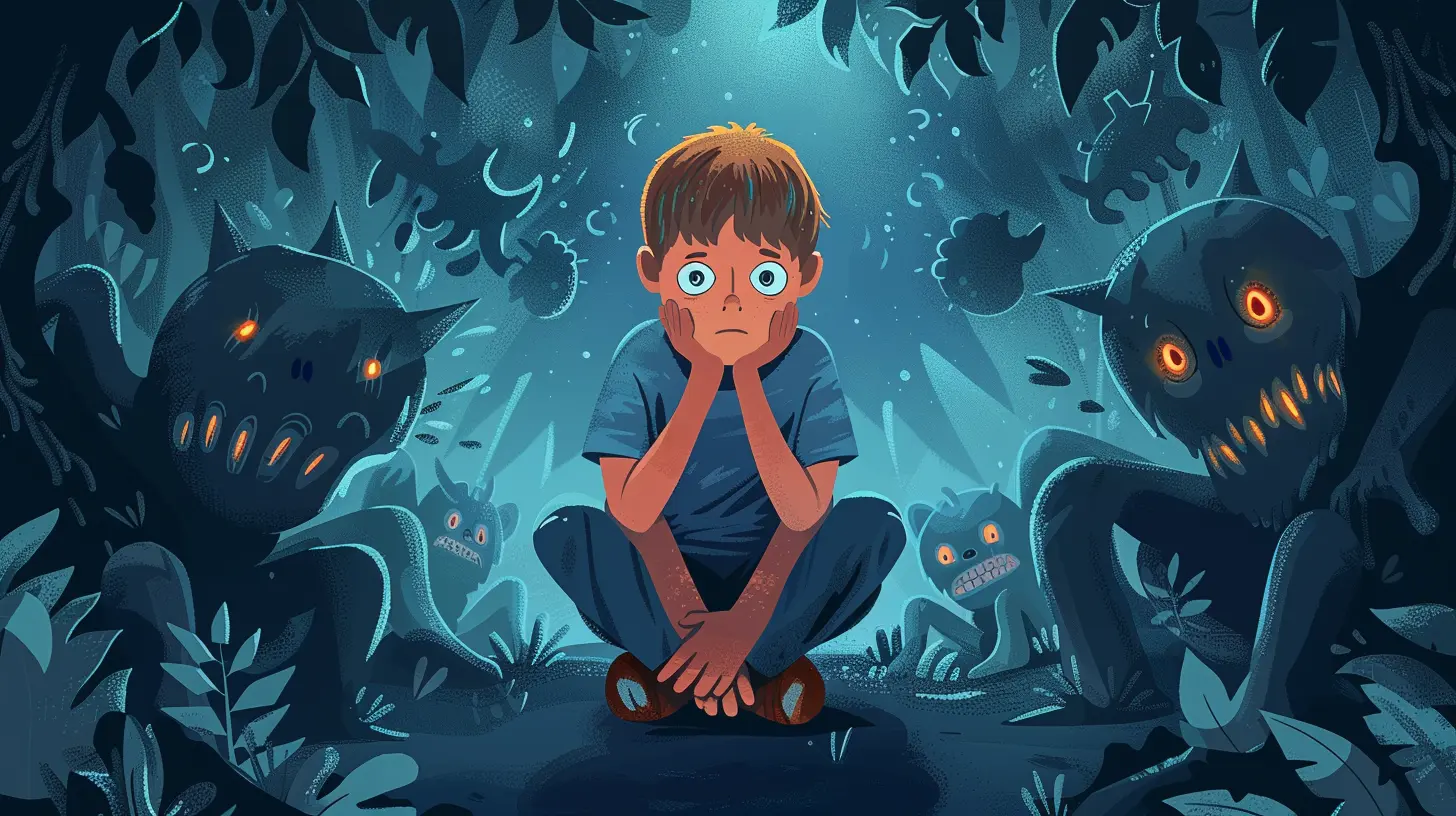
Helping Kids Understand Their Fears
Telling a child "There's nothing to be afraid of" is about as effective as telling yourself "I won't eat that last cookie." It’s well-intentioned, but completely useless.Instead, try these approaches:
1. Acknowledge the Fear (Even If It Seems Ridiculous)
To kids, fear isn’t logical—it’s emotional. So instead of brushing it off, acknowledge it.🔹 Say: “I know you're scared of the dark. That makes sense—it’s hard to see what’s around us.”
❌ Don't say: “There’s nothing in your closet. Go to sleep.”
If you take their fear seriously, they’ll feel safe enough to actually talk about it.
2. Teach Them About Fear (Like a Super Cool Science Lesson)
Fear happens because our brains think we’re in danger—even when we aren’t. This is our “fight-or-flight” response kicking in.Try explaining it like this:
"Your brain has a little alarm system. Sometimes, it goes off when there’s real danger—like a fire or a wild animal. But sometimes, it gets confused and thinks a shadow on the wall is a monster. The good news? We can teach our brains to calm down!"
When kids understand why they feel fear, they feel more in control. 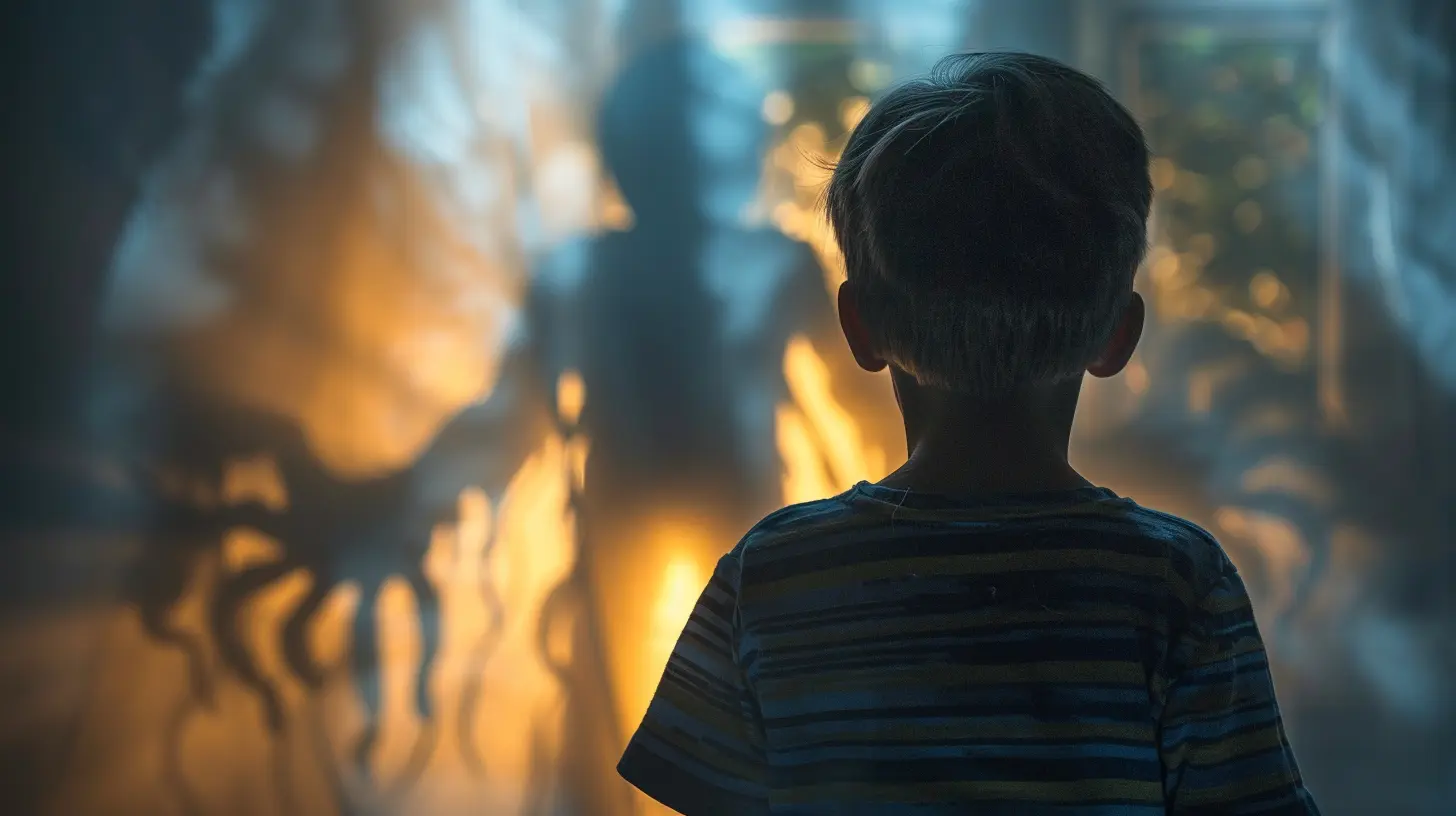
Helping Kids Manage Their Fears
Okay, so now they know what fear is. But how do we help them face it without turning their bedroom into a permanent nightlight wonderland?1. Use Humor to Take the Power Away from Fear
Laughter and fear are like oil and water—they don’t mix. If your child is terrified of the “closet monster,” give that monster a name. Better yet, make it silly.🔹 “Sir Snugglepants the Closet Monster” sounds way less scary than just “a monster.”
🔹 Have your child draw a funny picture of their fear—like a shark with glasses and a bowtie.
When you make fear sound ridiculous, it starts losing its grip.
2. Gradual Exposure (A Little Bit at a Time!)
If your child is scared of dogs, you wouldn’t throw them into a dog park, right? (Please say you wouldn’t.)Gradual exposure works best:
✔️ Start with looking at pictures of dogs.
✔️ Then watch friendly dog videos.
✔️ Visit a calm, small dog from a safe distance.
✔️ Eventually, work towards petting a gentle dog.
The key? Small steps. Confidence builds like a LEGO tower—one piece at a time.
3. Teach Calming Techniques (Because We All Need Them)
Helping kids learn how to calm themselves can be a total game-changer.Try these:
✔️ Deep Breathing – “Smell the flowers, blow out the candles.”
✔️ Positive Mantras – “I am safe. I can do this.”
✔️ Visualization – “Imagine you’re in your happy place—maybe on a beach or in a cozy bed.”
Teaching these techniques isn’t just helpful now—it’s a life skill they’ll always use!
What NOT to Do (Seriously, Avoid These Rookie Mistakes)
🚫 Don't use fear to control behavior. ("If you don’t go to bed, the Boogeyman will come!" – Nope. Just… no.)🚫 Don't force them to “just get over it.” Fear doesn’t work like an off switch.
🚫 Don’t make fun of their fears. What seems silly to you feels BIG to them.
Instead, guide them with patience, humor, and reassurance.
When to Worry About Your Child’s Fears
Most childhood fears fade over time. But if fear is seriously interfering with their daily life—like refusing to go outside, extreme panic attacks, or obsessive fears—it may be more than just a phase.If you notice:
✔️ Constant, overwhelming fear that doesn’t go away
✔️ Avoiding normal activities (like school or playdates)
✔️ Physical symptoms (headaches, stomachaches, trouble sleeping)
It might be time to talk to a pediatrician or therapist. Anxiety disorders are real and treatable—getting help early makes a huge difference.
Final Thoughts: Fear Isn’t the Enemy—It’s the Teacher
At the end of the day, fear isn’t something to “fix” or erase—it’s something to understand and manage. Helping kids learn how to face their fears gives them confidence, resilience, and a healthy dose of bravery they'll carry into adulthood.So the next time your little one insists there’s a giant spider in the bathroom, take a breath, grab a tissue (or a cup, because we respect bugs in this house), and guide them through it.
Who knows? Someday, they might even thank you for it. (But don’t hold your breath.
all images in this post were generated using AI tools
Category:
Mental HealthAuthor:

Maya Underwood
Discussion
rate this article
2 comments
Starla Thornton
This article offers valuable insights for parents navigating their children's fears. The practical strategies presented empower kids to face their anxieties and build resilience. Encouraging open communication and modeling coping techniques can significantly enhance a child’s ability to manage fears effectively. Well done!
March 23, 2026 at 4:01 AM
Maya Underwood
Thank you for your kind words! I'm glad you found the strategies helpful for parents and children alike.
Zacharias McDonald
This article beautifully addresses a crucial aspect of parenting—helping children navigate their fears. I appreciate the practical strategies shared, like open dialogue and gradual exposure. It’s a reminder that fostering emotional resilience is just as important as teaching them to face challenges. A wonderful read for all parents!
March 8, 2026 at 5:18 AM
Maya Underwood
Thank you for your kind words! I'm glad you found the strategies helpful. Supporting children in managing their fears is indeed vital for their emotional growth.