Fostering Self-Reliance in Young Children
2 February 2026
Raising independent kids isn’t just about teaching them how to tie their shoes or pour their own juice. It’s about nurturing confidence, problem-solving skills, and a can-do mindset from a young age. Sounds like a tall order, right? But here’s the thing—it’s totally doable, and it starts with small, everyday moments.
Self-reliance is one of those priceless life skills we all want for our children. It’s the foundation for everything from making friends to managing schoolwork and later on, thriving in adult life. Think of self-reliance like a muscle—the more your child uses it, the stronger it grows. In this article, we’re diving into what self-reliance really means, why it matters so much, and how we, as parents, can help our little ones build it one step at a time.
What Is Self-Reliance in Kids, Anyway?
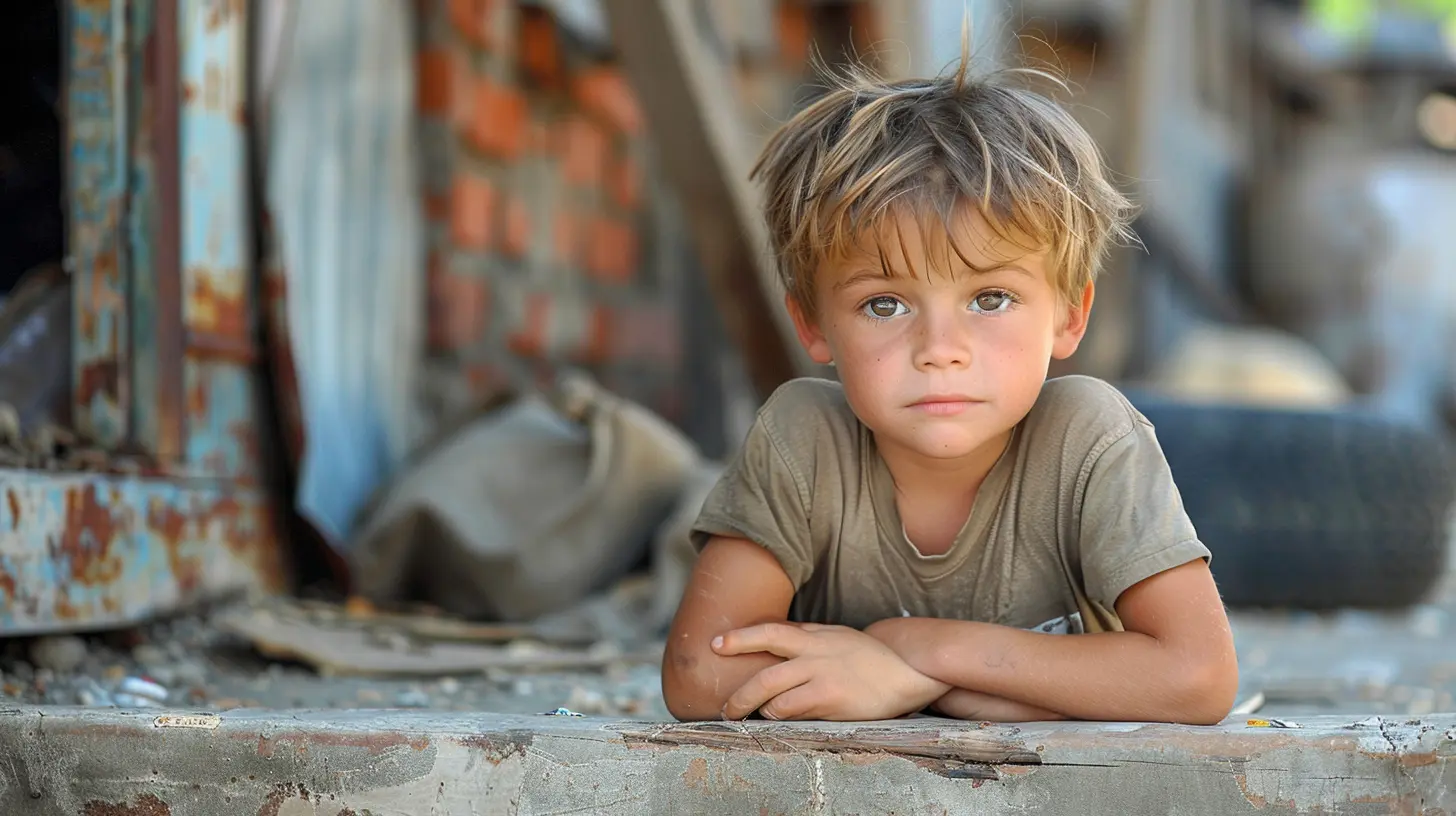
Self-reliance in children means they can do things for themselves, handle everyday challenges, and make choices with increasing independence. It doesn’t mean they don’t need us (they definitely still do!). But it means they start taking ownership of their actions and decisions.Imagine your 5-year-old getting dressed on their own or your 7-year-old packing their backpack for school. These little victories might seem minor, but they’re huge stepping stones toward a self-sufficient mindset.

Why Self-Reliance Is a Big Deal
You might be thinking, “Can’t I just help them with these tasks? Isn’t that what parents do?” Sure, helping out now and then is perfectly fine. But constantly doing everything for them can actually hold them back. Here's why fostering self-reliance is essential:- Builds confidence: Kids feel proud when they manage something on their own.
- Encourages problem-solving: They learn to make decisions and think critically.
- Develops responsibility: When kids are trusted with tasks, they realize their actions matter.
- Reduces anxiety: Confidence in their own abilities helps them face new situations calmly.
Now let’s talk about how to actually foster this independence, without overwhelming you or your child.

Start Small and Early
Teaching independence doesn’t mean tossing your toddler into the deep end with a list of chores. Nope. It's all about baby steps. Kids are naturally curious and love to imitate adults, so use that to your advantage.Give Age-Appropriate Responsibilities
Even toddlers can pitch in! Here are a few ideas to get started:- Toddlers (2–3 years old): Putting toys away, feeding a pet, choosing clothes
- Preschoolers (4–5 years old): Brushing teeth, helping set the table, cleaning up spills
- Early Elementary (6–8 years old): Making simple snacks, getting ready for school, folding laundry
Each task might take a little extra time at first (and probably won’t be perfect), but the payoff is worth it. Remember, the goal isn’t perfection—it’s participation.
Let Them Struggle (Just a Little)
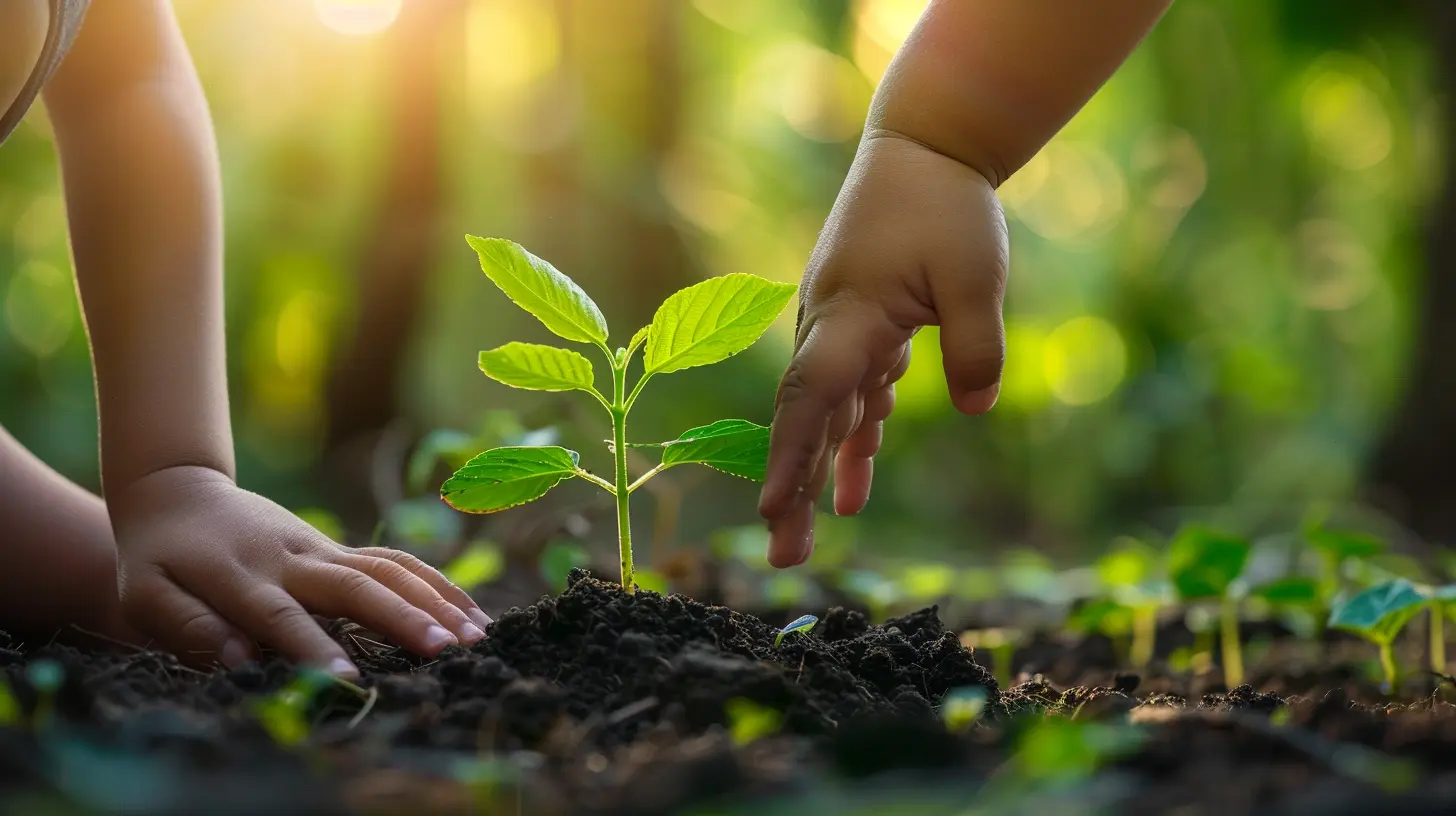
This part can be tough for us parents. Watching your child wrestle with a tricky zipper or get frustrated with a puzzle can tug at your heartstrings. But here’s the thing—struggle is where growth happens.Instead of stepping in right away, ask yourself: “Is this safe? Can they figure it out with a little patience?” If the answer is yes, take a step back and offer encouragement instead.
A simple “You’re working really hard on that!” or “I believe in you—you’ve got this!” can go a long way. Kids need to know it’s okay to make mistakes and that persistence often leads to success.
Model Independence Yourself
Kids are little sponges. They’re always watching us—even when we think they’re not. So if we want them to be independent, we’ve got to show them what that looks like.That means:
- Admitting when we don’t know something and showing how to find the answer
- Tackling problems calmly
- Taking responsibility for our own actions and mistakes
When your child sees you handling life with a can-do attitude, they’ll start to imitate that same behavior in their own world.
Praise Effort, Not Just Results
We all cheer when our kids score a goal or ace a spelling test. But if we only praise the outcome, kids may start to think that results are all that matter. Instead, focus on the effort.Try saying things like:
- “You worked so hard on that!”
- “I love how you didn’t give up.”
- “Look how much you’ve improved!”
This kind of praise builds a growth mindset, which is key to self-reliance. Kids begin to see challenges as opportunities rather than scary obstacles.
Create a Safe Space for Mistakes
Let’s face it—fear of failure is one of the biggest barriers to independence. If kids think they’ll get in trouble for messing up, they’re less likely to try new things.Create a home environment where mistakes are seen as part of learning. When something goes wrong, talk it through calmly. Ask:
- “What do you think happened?”
- “What could we do differently next time?”
- “How did that make you feel?”
Kids are more likely to take initiative when they know they have emotional safety net.
Teach Problem-Solving Skills
Self-reliance isn’t just about doing things—it's also about thinking things through. You can help your child build problem-solving muscles by asking open-ended questions when they hit a bump in the road.For example, if they forget their homework at home, avoid rushing to fix it. Instead, ask:
- “What could you do next time to remember?”
- “Is there something we can try to help you stay organized?”
Let them come up with the solutions, even if they need a little help along the way.
Encourage Decision-Making
It’s tempting to make decisions for our kids because it’s quicker, easier, and we know what works. But every time we decide for them, they miss a chance to practice thinking things through.Start small:
- Let them choose what to wear (even if it’s mismatched!)
- Have them pick a snack or activity
- Involve them in family decisions like what to have for dinner or which park to visit
The more they practice, the more confident they’ll become in making choices and owning the outcomes.
Use Routines to Build Responsibility
Kids thrive on predictability. A solid routine not only keeps things running smoothly but also teaches them what’s expected. You can build responsibility right into the daily schedule.For example:
- Morning routine: Get dressed, brush teeth, pack bag
- After school: Snack, homework, put away items
- Bedtime: Bath, PJs, story time
Use visual charts for younger kids or checklists for older ones. Eventually, these tasks become habits, and your child starts doing them automatically. That’s self-reliance in action.
Avoid Micromanaging
Here’s the kicker—once you give your child a responsibility, let them handle it their way (within reason). That means resisting the urge to redo a poorly made bed or re-stack the dishwasher.Yes, their way might be messier or slower. But every time we swoop in and take over, we’re sending the message: “You’re not capable.” Letting go of control isn’t easy, but it’s necessary.
Remind yourself that progress > perfection.
Celebrate the Growth
Self-reliance isn't built overnight. It's a slow and steady process filled with small wins (and a few messes along the way). So celebrate those wins! Whether it’s remembering their library book or cleaning up without being asked, make a big deal out of it.A high-five, a hug, or a simple “I’m proud of you” tells your child that their efforts matter. That kind of encouragement builds momentum and motivation to keep growing.
When to Step In
Now, all that said, there’s a balance here. Being hands-off doesn’t mean leaving your child to fend for themselves. If they're in danger, too stressed, or truly overwhelmed, of course you should step in and support them.The key is to support, not solve. Help guide them through the challenge rather than taking it off their plate completely. Think of yourself as a coach on the sidelines cheering them on, not a player taking their turn.
Final Thoughts
Fostering self-reliance in young children isn’t about turning them into mini adults or expecting perfection. It’s about helping them build trust in their own abilities. It’s teaching them that they can do hard things—and that they have what it takes to figure out the world around them.You don’t need some fancy parenting system or a long list of rules to make this happen. Just start small, be patient (with them and yourself), and keep showing up. With your love and guidance, your child will grow into someone who’s confident, capable, and ready to take on life—one small task at a time.
all images in this post were generated using AI tools
Category:
Life Skills For KidsAuthor:

Maya Underwood
Discussion
rate this article
2 comments
Dean James
Empowering children to be self-reliant is a beautiful journey! By encouraging independence, we equip them with essential life skills and the confidence to navigate challenges. Let’s celebrate each small step they take towards self-sufficiency, knowing it builds a brighter, more resilient future.
February 25, 2026 at 3:36 PM
Maya Underwood
Thank you for your insightful comment! I completely agree—each step towards independence truly shapes their future. Let’s continue to support and celebrate their growth!
Vireo Diaz
This article beautifully outlines the importance of fostering self-reliance in young children. Encouraging them to tackle challenges independently not only builds confidence but also lays the groundwork for resilience in adulthood. Simple strategies like letting them make choices and solve problems can have a lasting positive impact on their development.
February 3, 2026 at 5:37 AM
Maya Underwood
Thank you for your thoughtful comment! I'm glad you found the article resonant; fostering self-reliance truly is crucial for building confidence and resilience in children.