Encouraging Offline Activities in a Digital Age
9 September 2026
Every parent I know has stood in a kitchen, staring at the back of a child's head while that child stares at a screen. The light from the tablet paints their face blue in the evening. The headphones cancel out the world. And you think: should I take it away? Should I set a timer? Should I just let them be, because this is the world they will inherit?
The panic is real, but the solution is not to smash the router. The solution is to make the offline world genuinely more compelling than the online one. That is harder than it sounds, because the online world has thousands of engineers working to make it addictive. Your offline world has you, tired, after a day of work, trying to think of a game to play.
This article is not a lecture about screen time limits. It is a practical, sometimes uncomfortable, look at why kids drift to screens and what you can actually do to pull them back into the physical world without turning your home into a war zone.

The Real Reason Kids Choose Screens
Let us start with a hard truth. Children do not choose screens because screens are magical. They choose screens because the offline options you are offering are often less engaging. A worksheet is not a match for a multiplayer game. A lecture about the dangers of social media is not a match for a TikTok feed.Screens offer three things that the physical world often fails to deliver: immediate feedback, a sense of competence, and social connection without the risk of face-to-face rejection. When a child plays a video game, they get a reward every few minutes. When they build a fort, the reward is delayed and abstract. When they text a friend, they control the pace of the conversation. When they call a friend, they have to navigate silence, tone, and awkward pauses.
The digital world is not evil. It is just extremely well designed for the human brain's desire for quick wins. To pull your child away from that, you have to design offline experiences that offer similar rewards, but with a different texture.
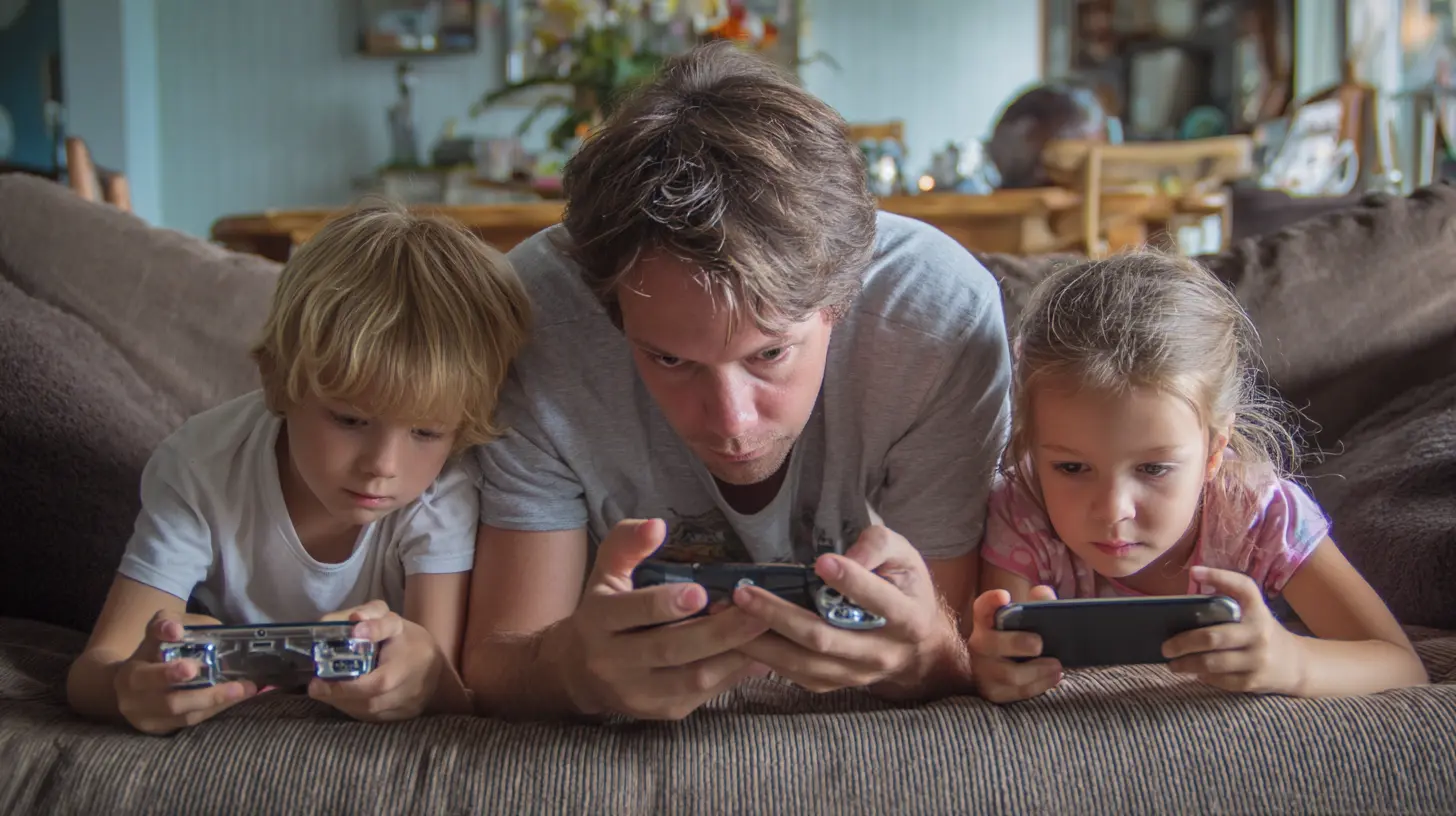
The Difference Between Absence and Presence
Many parents think that removing the tablet is the same as creating space for something else. It is not. An empty hour with no screens and no plan is often just an hour of whining. The child does not know what to do with unstructured time because they have never been taught how to fill it.Presence means you are not just turning off the device. You are turning on an alternative. That does not mean you have to be a cruise director every single afternoon. But it does mean that you need to have a few reliable, low-effort, high-return activities ready to go.
Think of it like this. If you take away a child's bike, they will not automatically start running. They will just stand there. You need to hand them a scooter, a ball, or a jump rope. The same logic applies to screens. If you take away the tablet, hand them a book, a puzzle, or a set of tools to take apart an old radio.
The mistake is to assume that boredom will magically produce creativity. Boredom only produces creativity when the child has a mental library of possible things to do. If their only library is the app store, they will just wait for the app store to come back.

The Power of Boredom Done Right
There is a difference between painful boredom and productive boredom. Painful boredom is when a child has nothing to do and no resources to do it with. Productive boredom is when a child has time, space, and a few materials, and their brain starts to wander.You need to create conditions for productive boredom. That means having a junk drawer with batteries, magnets, string, and cardboard. It means having a shelf of books that are slightly too hard for them, so they have something to grow into. It means having a backyard or a park where they are allowed to get dirty without being scolded.
One of the most effective things I have seen a parent do is institute a rule called "no screens before noon on weekends." The first two weekends were miserable. The kids complained that there was nothing to do. But by the third weekend, the older child started building a cardboard city in the living room. The younger one started drawing a comic. They were not happy immediately, but they became engaged eventually.
The key is to hold the line through the discomfort. If you cave after twenty minutes, you teach the child that complaining works. If you hold for an hour, they will find something. It may not be what you wanted. It may be a mess. But it will be theirs.

The Role of the Parent as a Model
This is the part that nobody likes to hear, but it is the most important part. Your child does not listen to what you say about screens. They watch what you do with your own screens.If you are scrolling through your phone at the dinner table, your child will see that the phone is the most interesting thing in the room. If you check email during their soccer game, they will learn that the game is not worth your full attention.
You do not have to be perfect. You do not have to throw your phone in a river. But you do need to be honest with yourself about your own habits. The parent who says "put down the iPad" while typing on a laptop is sending a mixed message.
Try this. For one week, keep your phone in a specific spot in the kitchen when you are home. Do not carry it from room to room. See how often you reach for it out of habit. That alone will show you how hard it is for your child to resist their own device.
When you do use your phone in front of your child, narrate what you are doing. Say "I am checking the weather for our hike" or "I am texting grandma to confirm dinner." That helps the child understand that phones are tools, not pacifiers. It also helps them distinguish between purposeful use and mindless scrolling.
Designing the Physical Environment for Offline Play
You cannot rely on willpower. You have to rely on design. The layout of your home either invites offline play or it does not.Take a look at your living room. Is there a coffee table that is too fragile for building blocks? Is there a white carpet that makes playdough a source of anxiety? Is there a TV that is always on, even as background noise?
If the environment punishes play, the child will not play. They will go to their room and close the door, and you will find them on a screen.
Consider these changes. Replace the fragile coffee table with a sturdy wooden one that can survive being climbed on. Put a large rug on the floor that is easy to clean. Keep a basket of building toys in the living room, not in the toy box in the basement. Have a small table with paper and markers that is always available.
The goal is to make the default activity something physical. When a child walks into the living room, they should see a book, a puzzle, or a sketchbook before they see a remote control. The screen should be the thing you have to search for, not the thing that is always in view.
One family I know removed the television from the main living area entirely. They put it in a basement room with a door. The living room became a place for reading, board games, and conversation. The kids still watch shows, but they have to make a deliberate choice to go downstairs and turn it on. That small barrier changed the entire dynamic of the house.
The Importance of Physical Risk and Mess
Many modern children are overprotected from physical risk. They are not allowed to climb high trees, use sharp tools, or play with fire. But risk is exactly what makes the offline world exciting.When a child climbs a tree, they feel a rush of adrenaline that no video game can replicate. When they carve a stick with a pocket knife, they feel a sense of trust and responsibility. When they build a fire with a parent, they feel like they are doing something real.
You do not have to be reckless. You just have to allow for age-appropriate risk. A six-year-old can climb a low tree with you spotting. A ten-year-old can use a saw with proper instruction. A teenager can cook a meal over a campfire.
The mess is another barrier. Many parents avoid art projects because of the cleanup. But the mess is part of the value. When a child mixes paint, spills water, and gets glue on their hands, they are learning about cause and effect in a way that a screen cannot teach.
Set up a designated mess zone. A plastic tablecloth on the kitchen floor. An old shirt as a smock. A bucket of water for easy cleanup. The goal is to make the mess manageable so you can say yes more often.
The Social Side of Offline Play
One of the biggest reasons kids choose screens is social anxiety. On a screen, they can be whoever they want. They can edit their responses. They can log off when it gets hard.Offline play requires vulnerability. It requires reading facial expressions, handling rejection, and negotiating rules. These are hard skills. But they are essential skills.
You can help by facilitating small group play. Instead of a huge birthday party with twenty kids, invite two or three friends over for a specific activity. Baking cookies. Building a fort. Making a short film with a phone. The smaller group makes it easier for kids to practice social skills without being overwhelmed.
You can also teach your child specific scripts for joining a game. Many kids do not know how to approach a group and say "Can I play?" They just hover awkwardly and then retreat. Practice this at home. Role play with them. Have them practice saying "That looks fun, can I join?" or "What are the rules?"
The more they practice these scripts, the more confident they become offline. And the more confident they become, the less they need the safety of a screen.
The Problem with "Educational" Screens
Parents often justify screen time by saying the content is educational. And some of it is. But there is a difference between learning from a screen and learning from experience.A child can watch a video about volcanoes and remember the facts. But they will understand volcanoes better if they build a baking soda volcano in the backyard and get the mixture wrong the first time. The physical experience creates a deeper memory because it involves multiple senses.
This is not to say that all educational apps are useless. They have a place, especially for practice and repetition. A math app that drills multiplication tables can be helpful. A reading app that highlights text as it is read aloud can support early literacy.
But you should ask yourself: is this screen time passive or active? If the child is just watching and tapping, the learning is shallow. If they are creating, building, or solving problems, the learning is deeper.
Try to balance screen-based learning with physical learning. If they watch a video about space, take them outside at night to look at the stars. If they play a game about farming, plant some seeds in a pot. The screen should be a starting point, not the whole journey.
The Weekend Reset
One practical strategy that works well is the weekend reset. This is a period of time, maybe Saturday morning or Sunday afternoon, when all screens are off for the whole family. Not just the kids. Everyone.During this time, you do not plan anything elaborate. You just exist together. You make breakfast. You read the newspaper. You go for a walk. You work on a puzzle. The point is not to be productive. The point is to remember that life goes on without a constant stream of digital input.
The first few times will feel strange. You may feel anxious. You may reach for your phone out of habit. But after a few weeks, the reset becomes the best part of the week. The kids start to look forward to it because it is the only time when everyone is fully present.
One family I know does a "no screens Sunday" every week. They make a big brunch, play board games, and take a long bike ride. The teenagers complain, but they also bring their friends along sometimes. The rule has created a rhythm that the whole family relies on.
The Trade-Off of Strict Limits
There are two schools of thought on screen limits. The first is strict: no screens on school nights, one hour on weekends, no social media until a certain age. The second is flexible: let the child self-regulate with guidance.Both approaches have advantages and disadvantages. Strict limits are easier to enforce when the child is young. They create clear boundaries and reduce daily negotiation. But they can backfire with older children who see the rules as arbitrary and rebel.
Flexible limits teach self-regulation. They allow the child to make mistakes and learn from them. But they require a high level of parental involvement and constant conversation. If you are not willing to have those conversations, flexible limits become no limits.
The best approach is probably a hybrid. Set hard limits on the things that matter most, like bedtime and meal times. Then allow flexibility within those limits. For example, screens are allowed after homework but must be off one hour before bed. The child can choose what to do with that hour of screen time, but they cannot extend it.
The key is to explain the why behind the limits. Do not just say "because I said so." Say "because your brain needs sleep without the blue light" or "because we want to hear about your day at dinner." When the child understands the reasoning, they are more likely to cooperate.
Misconceptions About Digital Detox
There is a popular idea that a digital detox will fix everything. You send your child to a camp without phones for two weeks, and they come back transformed. This is rarely true.A detox is not a cure. It is a break. The habits that led to excessive screen use are still there. When the child returns to their phone, they will likely fall back into the same patterns unless something else has changed.
The real change has to happen in the home environment. The detox can provide a reset, but the daily structure and habits are what matter. If you want lasting change, you have to change the conditions that make screens the default choice.
This means looking at your own schedule. Are you overscheduling your child with activities so that their only downtime is in the car with a tablet? Are you too tired to enforce rules at the end of the day? Are you using screens as a babysitter because you need a break?
These are honest questions. There is no shame in using screens for survival sometimes. But if screens are always the default, you need to look at the root cause.
The Value of Mentorship and Shared Hobbies
One of the most effective ways to encourage offline activities is to share a hobby with your child. This is different from just supervising their play. This is doing something together that you both enjoy.It could be fishing, cooking, woodworking, gardening, or fixing bikes. It could be playing chess, painting miniatures, or building model rockets. The activity does not matter as much as the shared attention.
When you share a hobby, you create a space where the child can talk to you without pressure. You are not asking about school or grades. You are just working side by side. Many children open up more during these times than they ever do in a formal conversation.
The hobby also gives the child a sense of competence that is not tied to school or screens. They learn that they can make something, fix something, or understand something complex. This builds confidence that carries over into other areas.
You do not have to be an expert. You just have to be willing to learn alongside them. If you do not know how to fish, learn together from a YouTube video. Then go outside and try it. The fact that you are both beginners levels the playing field.
Practical Activity Ideas That Actually Work
Here is a list of offline activities that have a high success rate with children aged five to fifteen. These are not generic suggestions. They are specific, tested activities that engage kids because they involve real tools, real outcomes, or real competition.The first is building a cardboard fort. This never fails with younger kids. Save large boxes from appliance deliveries. Give the child a box cutter with supervision and let them design doors, windows, and flags. The fort becomes a reading nook, a spaceship, or a castle. It lasts for days.
The second is cooking a meal from scratch. Let the child choose a recipe from a cookbook. Take them to the store to buy ingredients. Let them measure, mix, and taste. The mess is significant, but the pride they feel when the family eats their meal is huge.
The third is geocaching. This is a real-world treasure hunt using a GPS device or a phone with the screen turned to the map. It gets the family walking outside, solving puzzles, and finding hidden containers. It feels like a game, but it involves physical movement and problem-solving.
The fourth is taking apart old electronics. Find a broken toaster, radio, or printer at a thrift store. Give the child a screwdriver and let them take it apart. This satisfies curiosity about how things work and teaches fine motor skills.
The fifth is making a stop-motion animation. This uses a phone or tablet for the actual filming, but the process is deeply offline. The child builds characters from clay or Lego, sets up a scene, and takes hundreds of photos. The creativity and patience required are enormous.
The sixth is playing strategy board games. Games like Settlers of Catan, Ticket to Ride, or even classic chess teach planning, negotiation, and patience. They are also a great way for the family to spend time together without a screen.
The Long Game
Encouraging offline activities is not a one-time intervention. It is a long game. You will have days when the screens win. You will have weeks when you are too tired to fight. That is okay.The goal is not to eliminate screens entirely. The goal is to create a balance where the offline world is not just a fallback, but a first choice. A place where your child feels competent, connected, and engaged.
The digital age is not going away. Your child will need to know how to use technology. But they will also need to know how to be human. How to look someone in the eye. How to shake hands. How to sit with their own thoughts without reaching for a screen.
Those skills are taught offline. They are taught in the messy, slow, sometimes boring moments of real life. And they are taught by you, not by an app.
So put down your own phone for a moment. Look at your child. Ask them if they want to go for a walk. They might say no. They might say they are busy. But if you ask enough times, and if you make the walk interesting enough, eventually they will say yes.
And that yes is the beginning of everything.
all images in this post were generated using AI tools
Category:
Screen Time LimitsAuthor:

Maya Underwood
Discussion
rate this article
2 comments
Aris McIlwain
In a world filled with screens, nurturing offline activities is essential for our children's growth. Encourage them to explore nature, read books, or engage in creative play. These moments not only foster connection but also spark imagination. Let's inspire our kids to enjoy the beauty of the real world around them.
September 11, 2026 at 2:19 AM
Maya Underwood
Absolutely. Balancing screen time with offline exploration is crucial for our kids. Nature, books, and creative play open up endless possibilities for growth and imagination. Let's lead by example and show them the beauty outside the screen.
Natasha McLoughlin
In a world of screens, let nature sing, Where laughter echoes and imaginations take wing. Step outside, feel the sun's warm embrace, In simple moments, find your family's grace. Together, build memories, let stories unfold, In the heartbeats of life, treasure the gold.
September 9, 2026 at 4:23 AM
Maya Underwood
Beautifully said! Embracing nature and family moments is the best way to create lasting memories. Let's disconnect to reconnect.