Encouraging Healthy Eating Habits in Preschool-Aged Kids
26 June 2026
Let’s be real—getting preschoolers to eat anything that’s not shaped like a dinosaur or dipped in ketchup can feel like a full-time job. Between picky taste buds and those adorable-but-stubborn “No’s,” mealtime battles can wear down even the most patient parents. But good news—you’re not alone, and it’s totally possible to turn things around without turning your kitchen into a battlefield.
In this post, we’ll dive into practical (and totally doable) strategies for encouraging healthy eating habits in preschool-aged kids. Whether you're dealing with a tiny veggie avenger or a snackaholic on a Goldfish diet, we've got you covered.
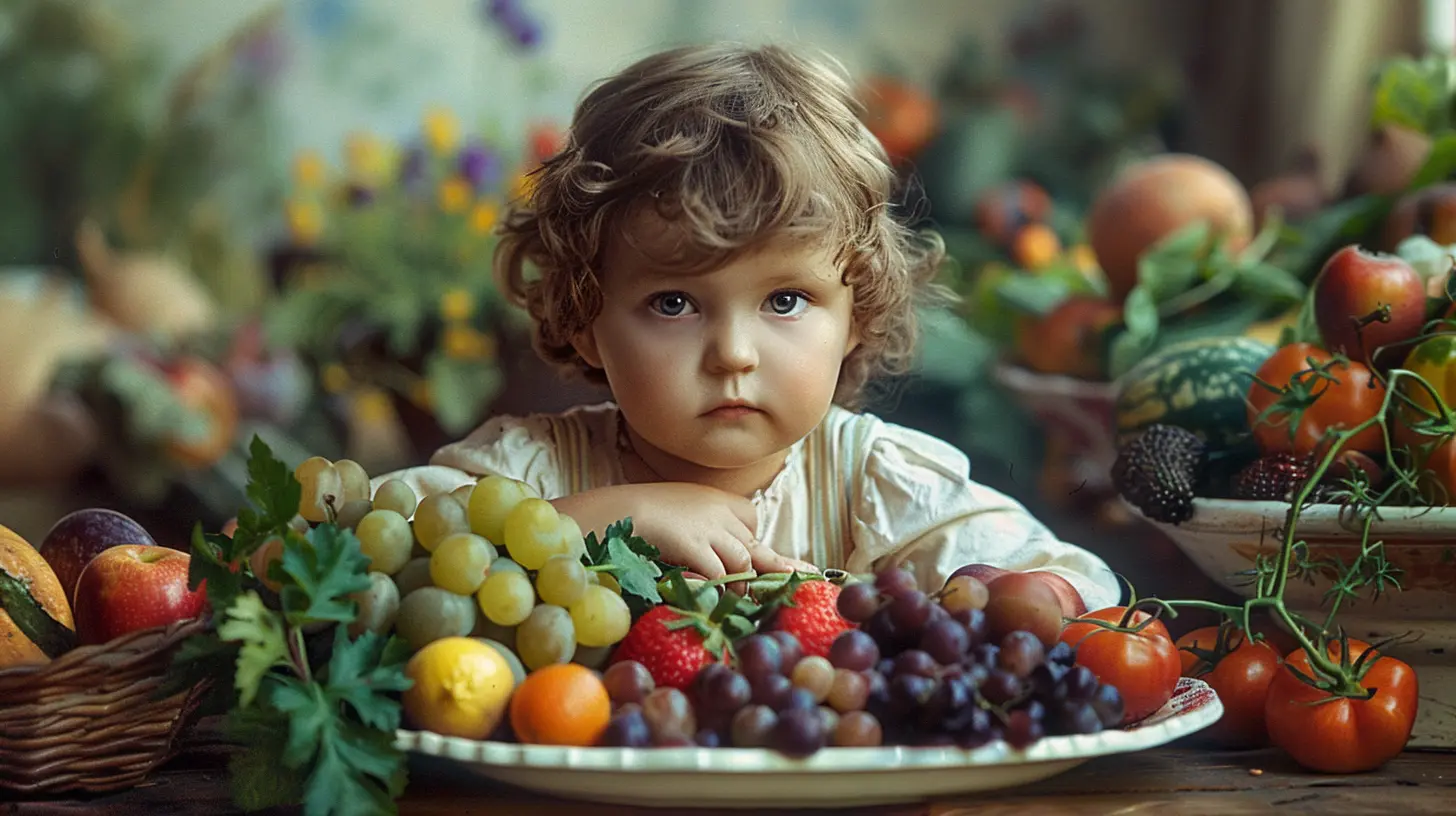
Why Healthy Eating Matters at This Age
Preschoolers are like little sponges, soaking up everything—from what they hear to what they eat. Their bodies and brains are growing fast, and they need the right fuel to support all that development. Plus, the habits they form now? They lay the groundwork for a lifetime of wellness.Think of it like planting a garden. The earlier you start with the right soil (aka nutrition), the better things will bloom later.
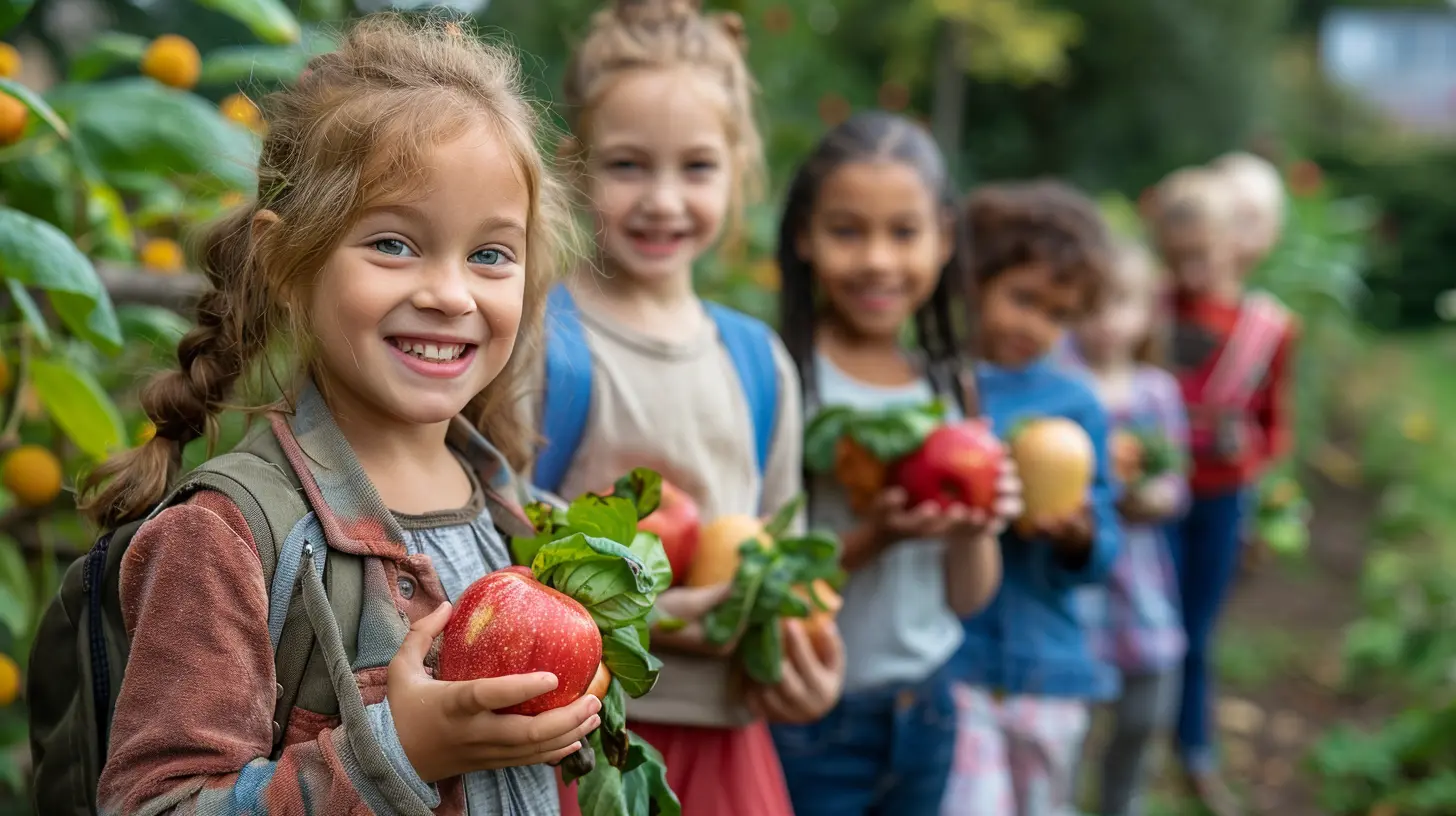
The Preschool Palate: Understanding Your Little Eater
First, let’s talk about why preschoolers can be so picky. It’s not just about them being picky for the sake of making your life tougher.Here’s what’s going on:
- Neophobia: That’s a fancy term for fear of new foods. Totally normal at this age.
- Taste development: Kids have more taste buds than adults, so bitter things (like spinach or broccoli) taste way stronger to them.
- Autonomy seeking: They’re testing their independence. Food is one area they can control—and boy, do they know it.
So, knowing this, we can stop blaming ourselves for every turned-up-nose at a carrot stick. Instead, let’s dig into how to work with their little personalities, not against them.
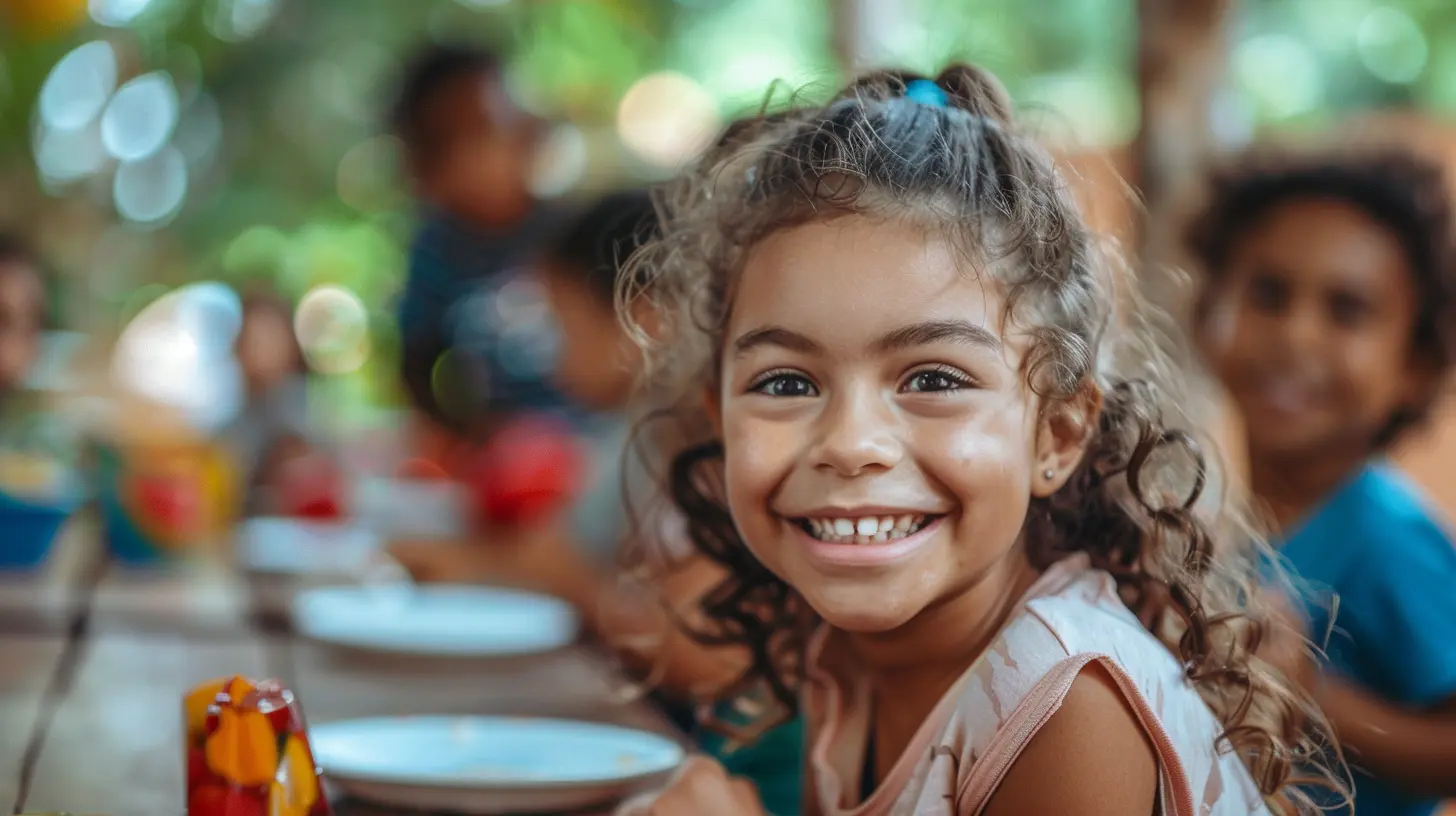
1. Set the Tone: Make Mealtimes Positive
Let’s ditch the stress. Mealtime doesn’t need to feel like a chore or a war zone. In fact, the more relaxed you are, the more open your child will be to trying new things.Here are a few ways to set a positive tone:
- Eat together as a family. Even if it’s just toast and scrambled eggs, shared meals build healthy habits.
- Avoid pressuring. "One more bite" might feel harmless, but it can backfire. Kids are more likely to push back when they feel forced.
- Model good habits. Your little one is watching you more than you think. If you eat veggies and love them, they might want to copy you.
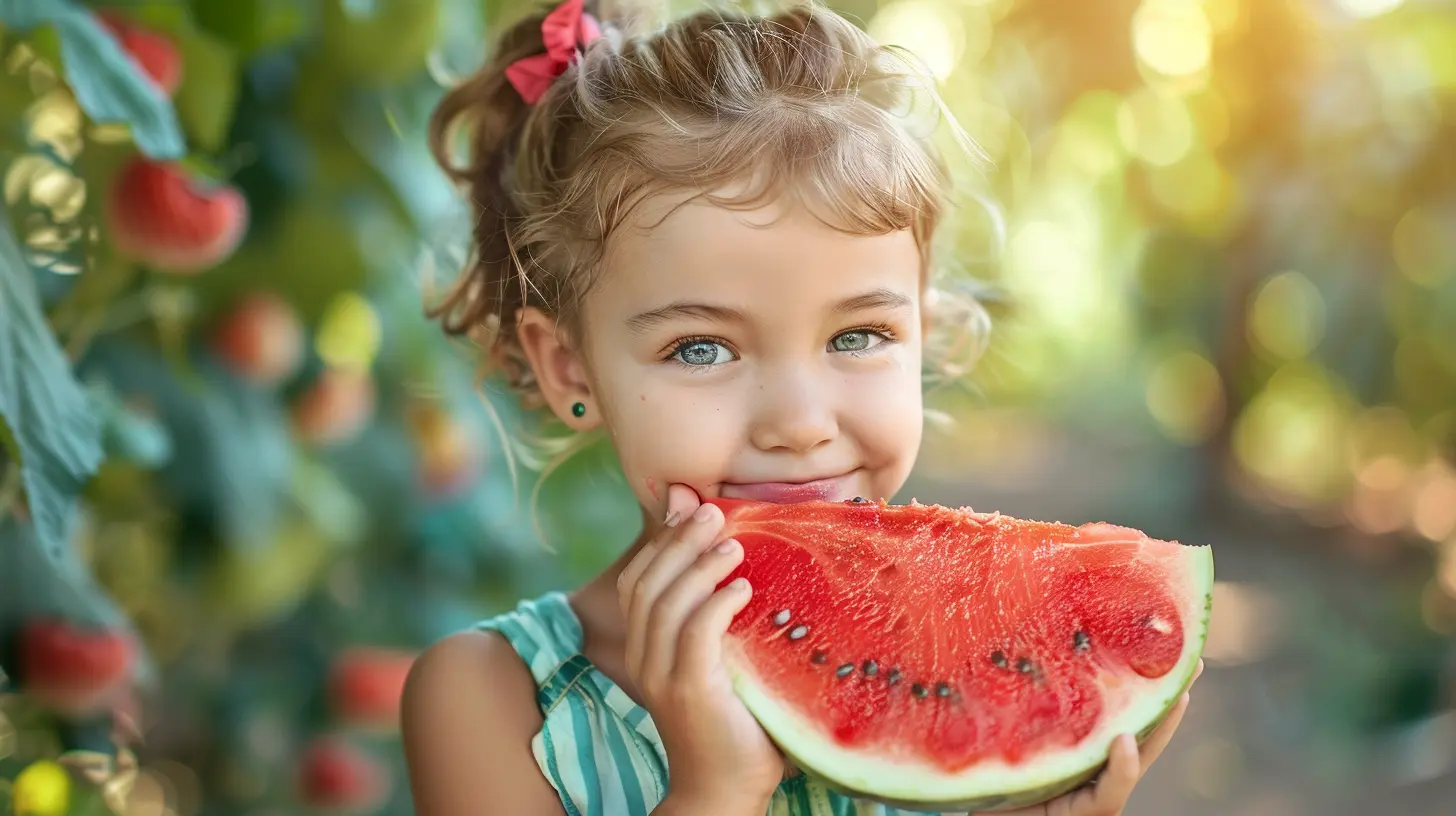
2. Keep Offering, Even If They Say “No”
Preschoolers are notorious for refusing a new food—then suddenly loving it weeks later. Don’t give up.Research says a child might need to see or try a food 10 to 15 times before accepting it. So… yeah, that broccoli might be a long game.
Keep reintroducing healthy foods in different forms:
- Raw carrots one day
- Roasted the next
- Maybe even in a smoothie
Don’t stress if they don’t eat it right away. The key is exposure without pressure.
3. Make Healthy Food Fun
Sometimes it’s not what the food is—it’s how it’s served.Try these fun tricks:
- Cut food into shapes (use cookie cutters for fruits and sandwiches)
- Color themes (only red foods today!)
- Build-your-own meals (DIY taco night where they add their own toppings)
When kids play with their food (in a non-messy way), it actually makes them more curious about trying it. Think of it as edible learning.
4. Get Them in the Kitchen
Here’s a secret weapon for picky eaters: involvement. When kids help make the meal, they get invested—and they're way more likely to eat it.Even preschoolers can:
- Wash fruits and veggies
- Stir pancake batter
- Tear lettuce for a salad
- Sprinkle cheese on a homemade pizza
It doesn’t have to be gourmet. It’s more about the process than the product.
5. Make Healthy Snacks Easy to Grab
Let’s be honest—snack time is sacred in preschool world. So why not make snack time work for you instead of against you?Stock your kitchen with:
- Washed berries in a bowl
- Carrot sticks with hummus
- Cut-up apples with peanut butter
- Whole grain crackers and cheese cubes
Keep them at eye level in the fridge so your kiddo can "choose" their own snack. (Spoiler alert: when you control what’s available, every option is a good one.)
6. Teach by Example (Without Preaching)
We all have our food baggage, but try to keep adult food talk away from little ears. Phrases like “I shouldn’t eat that” or “I’m being bad today” can confuse kids.Instead, say things like:
- “This food gives me lots of energy!”
- “This salad is so crunchy and fresh!”
- “I love how sweet these strawberries are!”
Your enthusiasm is contagious. And when your child sees you actually enjoying healthy food, they’ll be more open to trying it too.
7. Encourage Curiosity, Not Perfection
Let go of the idea of a “perfect” eater. Preschoolers are still learning and exploring. One day they might gobble up peas like candy, and another day, they act like peas are poison. It’s all part of the journey.Shift the goal from “clean plate” to “curious eater.” Help them notice:
- What the food looks like
- How it smells
- What texture it has
- What happens when they bite into it
This keeps food interesting and encourages mindful eating without stress.
8. Limit Sugary Foods Without the Guilt Trip
We get it—sweets are everywhere. And yes, it’s okay for your child to enjoy ice cream or cake now and then. The key is balance and boundaries, not banning.Try this:
- Save sweets for after a meal (so they’re not too hungry to resist)
- Label foods as “everyday” vs “sometimes” instead of “good” and “bad”
- Offer fruit as a sweet treat alternative when possible
If dessert becomes a reward, it gets even more tempting. Keep it casual and occasional.
9. Be Consistent With Meal and Snack Times
Routines matter. Set regular times for meals and snacks, and try to stick to them.Why this helps:
- Prevents constant grazing (which ruins appetites)
- Teaches kids to listen to hunger and fullness cues
- Reduces random requests for cookies at bedtime
When kids know what to expect, they feel more secure—and are more willing to eat when the time comes.
10. Don’t Go It Alone
Sometimes, despite all your best efforts, food battles still happen. Don’t be afraid to reach out:- Talk to your pediatrician or a pediatric dietitian
- Connect with other parents (you’ll be shocked how common this all is!)
- Read books with your child about food and trying new things
You’re doing your best—and that matters more than you know.
The Big Picture: Progress Over Perfection
Remember, your goal isn’t to create a mini nutritionist who asks for kale chips at snack time. It’s about building positive associations with food that’ll stick with them for life.Your job? To offer a variety of healthy foods in a low-pressure, fun environment. Their job? To decide whether (and how much) to eat. That balance is the magic.
Preschoolers are wild, wonderful little humans. They’re not supposed to eat perfectly—and that’s okay.
So take a deep breath. You’ve got this, even in the face of broccoli rejection.
Real Talk From One Parent to Another
Here’s the truth: you’re already doing more than enough just by caring about what your child eats. That’s huge. And every small step you take—every colorful plate, every shared meal, every new food gently offered—it all adds up.Healthy eating isn’t a one-time conversation or a perfectly followed chart. It’s a journey, built moment by moment. So celebrate the wins, brush off the flops, and keep showing up.
Your little one is learning from you every day—and that makes you the secret ingredient to lifelong healthy habits.
all images in this post were generated using AI tools
Category:
Parenting PreschoolAuthor:

Maya Underwood
Discussion
rate this article
1 comments
Brooks Velez
Great article! Teaching kids about healthy eating can be a fun adventure. With creativity and patience, we can inspire them to enjoy nutritious foods and build lifelong habits. Let's make mealtime exciting!
June 26, 2026 at 3:07 AM
Maya Underwood
Thanks for your kind words! I completely agree-making mealtime fun is key to helping kids love healthy foods. Let's keep inspiring them together!