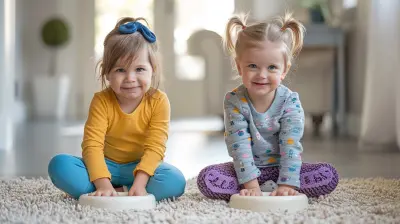
Empowering Kids to Take Responsibility for Their Actions
18 June 2026
Let’s face it—raising responsible kids isn’t always a walk in the park. One minute they’re blaming the dog for a broken vase, and the next, they’re accusing their sibling of sneaking cookies they clearly ate. But the truth is, helping kids take responsibility for their actions is one of the best gifts we can give them. It’s not just about teaching them to say “I messed up.” It’s about nurturing honesty, accountability, and confidence.
So, how do we get there without turning into nagging machines or control freaks? Keep reading—we’re going to break it down in a way that’s real, achievable, and actually works.
Why Responsibility Matters in Childhood
Let’s start with the big “why.”Responsibility is more than just picking up toys or doing homework. When kids learn to be accountable, they’re really learning how to handle real life. That includes owning up to mistakes, following through on commitments, and standing strong even when things don't go their way.
When kids are responsible:
- They build trust with others.
- They learn problem-solving skills.
- They feel more in control of their lives.
- They develop resilience and emotional strength.
And let’s be honest—responsible kids grow into responsible adults. Isn’t that the goal?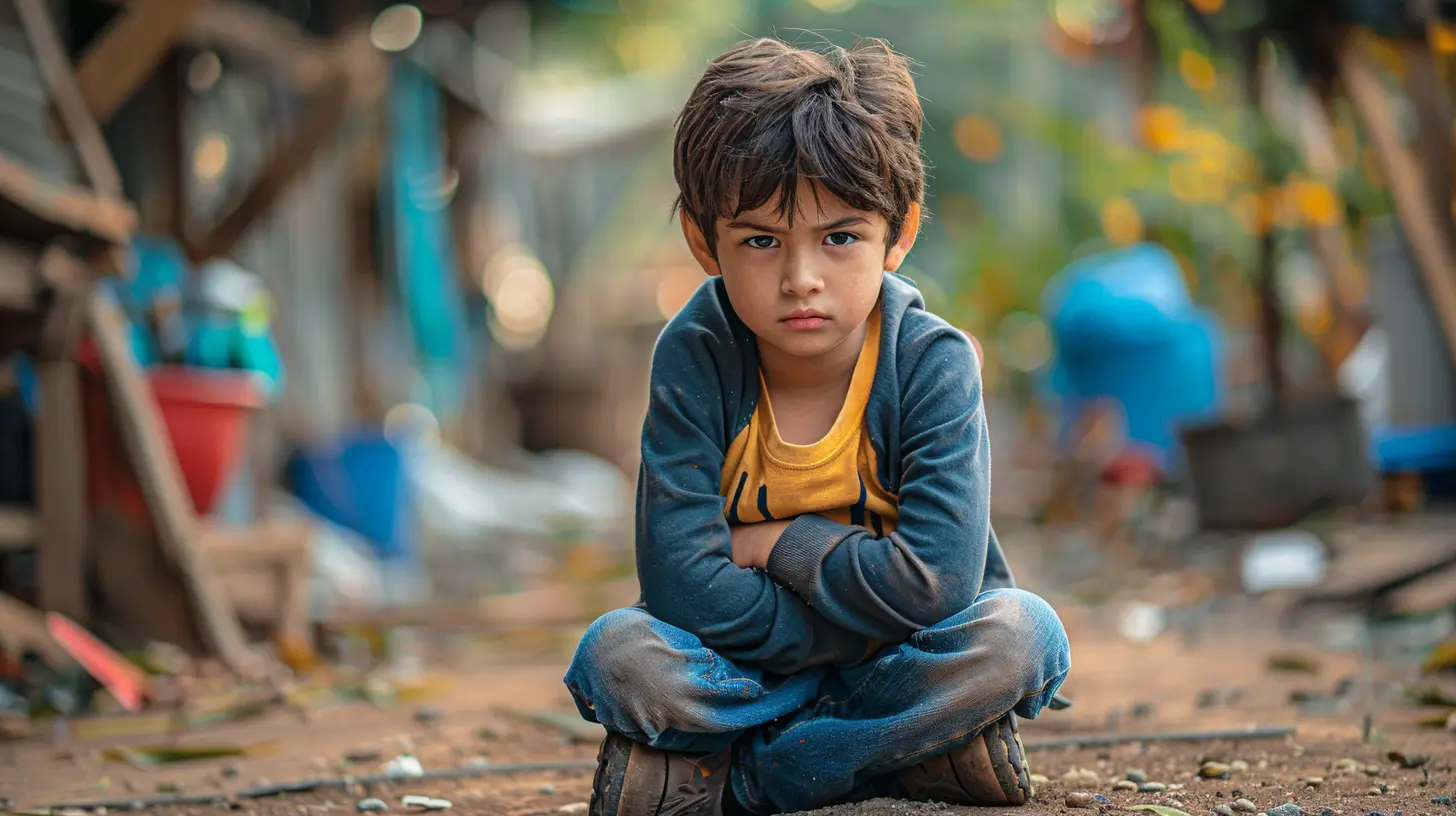
The Role of Parents in Teaching Responsibility
We can't teach responsibility if we don’t model it ourselves. Kids are like sponges—they absorb what they see and hear more than what we tell them. If we’re constantly making excuses, breaking promises, or avoiding blame, they’re going to pick up on that real quick.So, what can you do?
- Apologize when you mess up.
- Admit your mistakes without drama.
- Follow through on your commitments.
It’s not about being perfect. It’s about showing your child that owning your actions is a strength, not a weakness.
Start Young (But It’s Never Too Late)
Here’s the thing: it’s much easier to teach a toddler to clean up Legos than it is to teach a teenager to own up to skipping class. But no matter how old your child is, it’s never too late to start.For Younger Kids
This is the time when routines and structure make a huge difference.- Let them help with small chores.
- Teach them to clean up after playtime.
- Use simple cause and effect: “If you spill your juice, you clean it up.”
Make it fun when you can. Kids don’t mind responsibility when it feels like a game.
For Older Kids
Now you’ve got the challenge of schoolwork, friendships, and screen time.- Give them space to solve their own problems.
- Resist the urge to “fix” everything for them.
- Encourage them to reflect on their choices: “What do you think you could do differently next time?”
Bottom line? Don’t sweep their mistakes under the rug. Let them feel the natural consequences (without piling on shame).
Practical Strategies to Empower Responsibility
Alright, let’s get into the good stuff—the actual tools that help kids become more responsible.1. Give Ownership, Not Orders
No one likes being bossed around, right? Instead of barking instructions, try involving your child in decision-making.Instead of:
“Take out the trash right now!”
Try:
“How would you like to divide up your chores this week?”
When kids feel like they have a say, they care more. It’s like handing them the steering wheel instead of dragging them along.
2. Let Natural Consequences Do the Teaching
This one can be tough, especially when you want to swoop in and save the day. But sometimes, the best teacher is a consequence.- Forgot their homework? Let them explain it to the teacher.
- Didn’t pack their lunch? They’ll remember next time after an empty stomach.
You’re not being mean. You’re giving them the space to learn from real-life experiences—which is way more powerful than a lecture.
3. Praise Effort, Not Just Results
Responsibility isn’t about being perfect. It’s about trying, learning, and growing. So when your child takes ownership—even in small ways—notice it.- “I really appreciate how you admitted your mistake.”
- “It was brave of you to apologize to your friend.”
- “You handled that really maturely.”
Celebrate the effort, and they’ll want to keep it going.
4. Create a Safe Space for Mistakes
Let’s face it: we all mess up. But if your child is terrified of your reaction, they’re more likely to lie, hide things, or deflect blame.When they do something wrong, take a breath before reacting. Ask questions calmly:
- “What happened?”
- “Why do you think that choice didn’t work out?”
- “What can we do differently next time?”
This turns a mistake into a learning moment—not a battle.
Teaching Accountability Through Everyday Life
Responsibility isn’t something that only comes up during “serious talks.” It’s woven into the everyday. Use those moments.Chores and Daily Routines
Even the simplest tasks can teach accountability.- Making their bed
- Feeding the dog
- Setting the dinner table
Hand over responsibility little by little. And yes, it won’t be perfect. But remember, done is better than perfect.
Schoolwork and Deadlines
Don’t hover over every homework assignment. Instead, offer support, set expectations, and let them manage their time (even if that means a late night or a forgotten project once in a while).Sibling Conflicts
When fights break out, steer away from playing referee. Let them talk it out, take turns speaking, and own their part in the conflict. You’re not just solving a fight—you’re building lifelong skills.Navigating Blame and Defensiveness
Kids are quick to point fingers—it’s human nature. “It wasn’t me!” is practically a childhood anthem. But how do we shift this blame game into real accountability?Here’s how:
Stay Calm and Curious
If your child messed up, don’t jump into punishment mode. Start with curiosity.- “Help me understand what happened.”
- “What do you think your part was in this?”
This opens the door for honesty.
Focus on Growth, Not Guilt
Guilt keeps kids stuck. Growth moves them forward. Instead of saying, “You should feel bad about that,” try, “What can we do to make it right?”Mistakes aren’t the end of the world—they’re stepping stones.
When They Keep Messing Up (And You’re Frustrated)
Let’s be real—some lessons take time. You may feel like a broken record. And it’s okay to be frustrated. Parenting is hard. But stay the course.Each time your child owns a mistake—no matter how small—it’s a win. It’s a muscle they’re building, and like any muscle, it gets stronger with use.
If you feel stuck:
- Revisit your expectations (Are they realistic for their age?)
- Make sure your child understands the “why”
- Stay consistent with consequences and support
And give yourself grace. You’re doing the best you can, and that matters.
The Big Picture: Raising Future-Ready Humans
Teaching responsibility isn’t about having perfectly-behaved kids. It’s about raising humans who know how to navigate the world with integrity, confidence, and compassion.They won’t get it all right. Neither will we. But every conversation, every lesson, every chance to own up—that’s a brick in the foundation of their character.
And guess what? That foundation will carry them for life.
So next time your child breaks a rule, forgets a task, or makes a mess of a situation—take a breath. Use the moment. Empower them. Bit by bit, you’re guiding them to become their best, most honest, most responsible self.
And that? That’s worth every sleepless night and spilled cup of juice.
Final Thoughts
Responsibility isn’t something you can force on a child—it’s something you nurture. Through patience, modeling, and allowing space for growth, we empower our kids to be accountable for their actions and choices. Not because they’re scared of punishment, but because they understand the value of integrity and self-respect.Remember, it’s not about raising perfect kids. It’s about raising accountable ones who can stand tall in the real world. And with your guidance, they absolutely can.
all images in this post were generated using AI tools
Category:
Life Skills For KidsAuthor:

Maya Underwood
Discussion
rate this article
1 comments
Nadine Duffy
What an insightful read! I'm curious about practical ways to encourage kids to own their choices. How do you balance guidance with allowing them to learn from mistakes?
June 20, 2026 at 2:38 AM
Maya Underwood
I'm glad you found it insightful! Encouraging kids to own their choices starts with open conversations about decisions. Let them weigh options, set small goals, and reflect on outcomes. It's crucial to provide guidance while giving them space to learn from their mistakes. This balance fosters confidence and resilience.