Creating Calm Spaces for Better Tantrum Recovery
13 March 2026
Tantrums—every parent’s battle, right? One minute, your child is a happy little ball of sunshine, and the next, they’re lying on the floor, screaming over a broken cracker. It’s exhausting, stressful, and—let’s be honest—sometimes embarrassing. But what if I told you that you could help your child recover from tantrums faster just by changing their environment?
That’s right. The way we design our spaces can make a huge difference in how our little ones regain their calm. Let’s dive into how you can create a calm space to help your child bounce back from those meltdowns quickly and peacefully. 
Why Tantrums Happen (And Why a Calm Space Matters)
Tantrums aren’t just random outbursts of chaos. They’re often a result of big emotions that young kids can’t yet manage on their own. Overstimulation, frustration, fatigue, hunger—these all contribute to the storm. And when they don’t have the tools to self-regulate, boom! A meltdown happens.This is where a calm space can work wonders. Think of it as a cozy emotional reset button. Just like adults need a quiet room to cool off after a stressful day, kids need a soothing spot where they can regulate, recharge, and feel safe enough to let those big feelings settle. 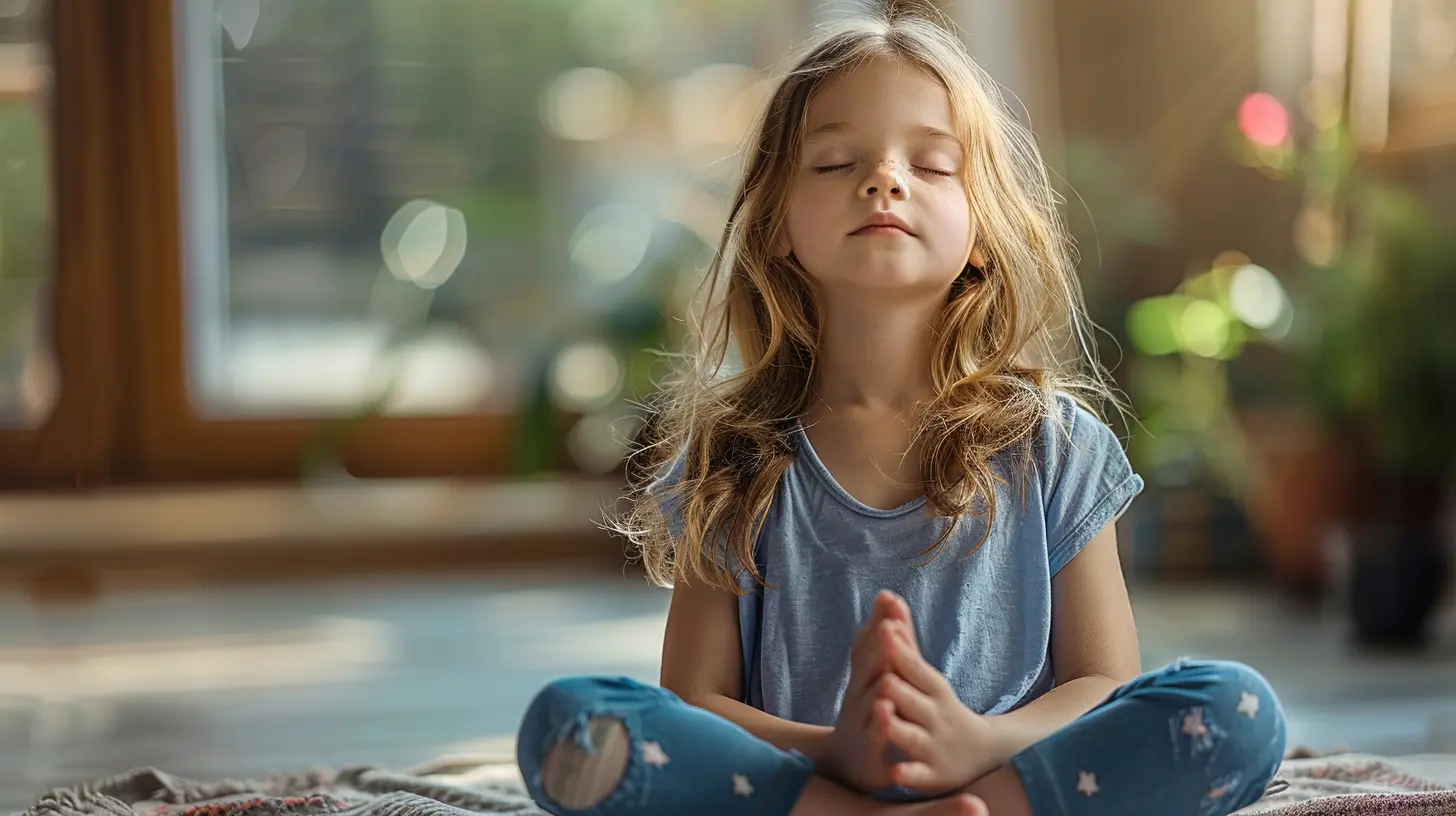
Key Elements of a Calming Space
Creating a tantrum recovery zone isn’t about fancy decor or expensive gadgets. It’s about designing a space that speaks to your child’s senses and helps them feel safe and secure. So, what should this magical space include?1. Soft and Comfortable Seating
Kids often need a cozy spot to snuggle into when they’re calming down. Think bean bags, floor cushions, soft rugs, or even a cozy little tent. A comfortable seat helps the body relax, which, in turn, helps the mind settle.2. Muted and Neutral Colors
Colors affect mood more than we realize. Bright, energetic colors (like neon orange or red) can actually increase emotional intensity. Instead, opt for soft blues, greens, or warm neutrals—shades that naturally promote relaxation and peace.3. Dimmable Lighting or Natural Light
Harsh fluorescent lights can feel overwhelming, especially when emotions are already running high. If possible, keep the space well-lit with natural light. Otherwise, opt for warm, soft lighting, like dimmable lamps, fairy lights, or a salt lamp for a soothing glow.4. Calm-Inducing Textures
Texture plays a big role in sensory regulation. Soft blankets, plush stuffed animals, and even a weighted blanket can provide comfort and security during a meltdown. Some kids also benefit from fidget toys or smooth stones to hold in their hands while they calm down.5. Minimal Distractions
The goal is to create a no-pressure environment where your child can simply be. That means avoiding overstimulating toys, screens, or anything too noisy. Instead, keep the area simple—perhaps a small shelf with a few calming books or a basket with sensory-friendly items.6. Quiet Sounds or Gentle Music
Ever notice how certain sounds have an almost magical ability to calm you down? Soft instrumental music, white noise, or nature sounds (like ocean waves or birds chirping) can help regulate emotions and bring a sense of peace to your child’s space.7. A "Safe Place" Feeling
This space should feel like a non-judgment zone—somewhere your child can go without feeling like they’re being punished. Maybe it’s a reading tent or a little corner with a soft canopy. Whatever it is, make it feel like a special, peaceful retreat rather than a “time-out” spot.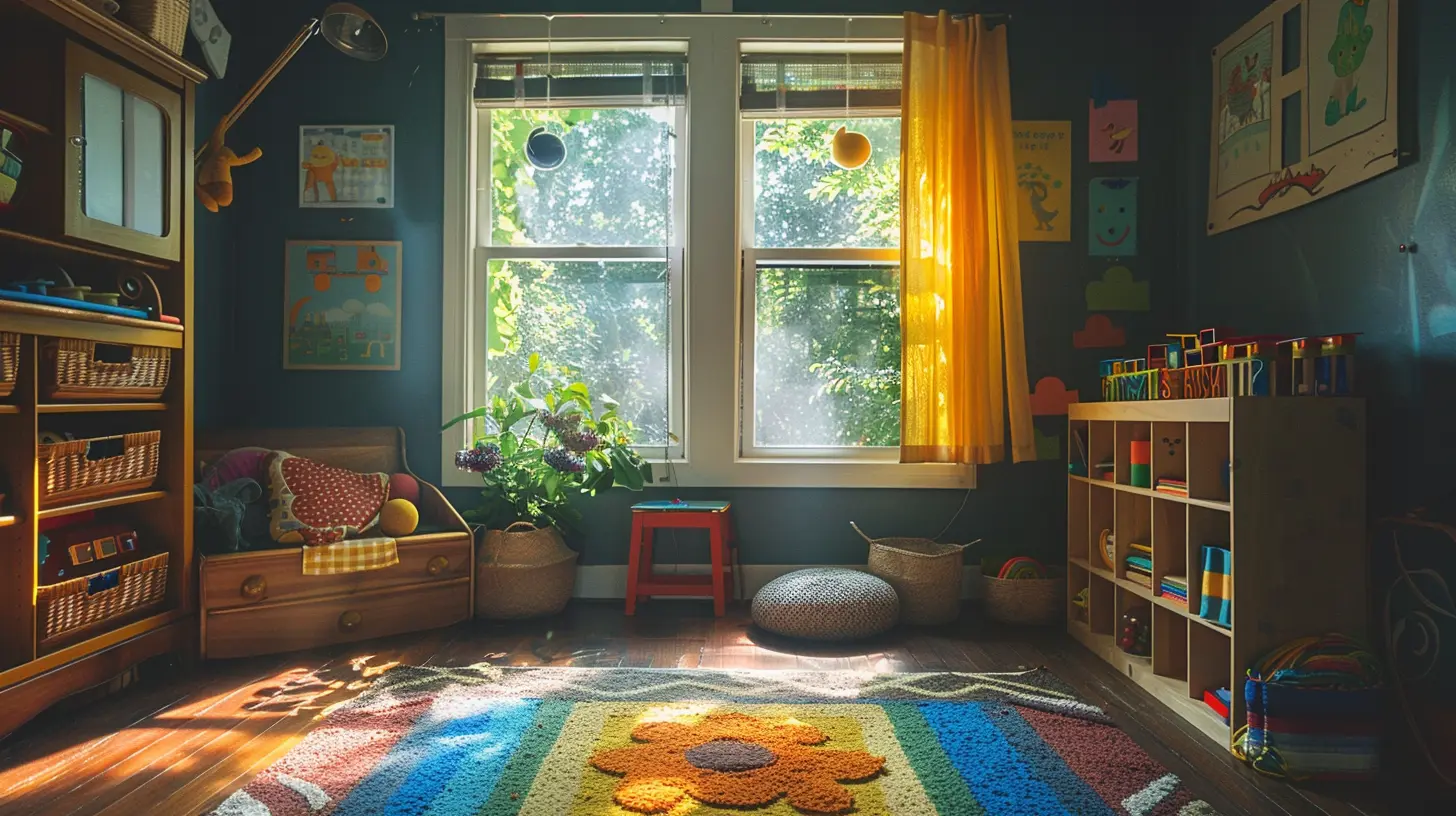
How to Introduce the Calm Space to Your Child
Creating the space is one thing, but getting your child to actually use it? That’s another challenge. Here’s how you can gently introduce the idea and encourage them to see it as a tool, not a punishment:1. Talk About It When They’re Calm
The middle of a meltdown isn’t the best time to introduce a new concept. Instead, talk about the calm space when your child is already in a good mood. Explain that it’s a special place they can go when they need to take a break and feel better.2. Give It a Cool Name
Kids love things that feel fun and exciting. Instead of just calling it the “calm space,” give it a name that feels personalized—like the "Cozy Corner," "Chill Zone," or "Magic Tent."3. Let Them Help Set It Up
Giving your child some control over the setup makes them more likely to use it. Let them pick out a special pillow, stuffed animal, or blanket for the space. The more ownership they feel, the more invested they’ll be.4. Lead by Example
Kids mirror what they see. If you show them that taking a break in a quiet space is a positive and normal thing, they’re more likely to follow suit. You might even say, “I’m feeling a little overwhelmed—I’m going to go sit in our calm space for a few minutes.”5. Reinforce It During Tense Moments
If you notice your child starting to get worked up, gently remind them about the calm space: “Do you want to go to your cozy corner for a little bit? We can sit together until you feel better.” No pressure, just a gentle invitation.
What to Avoid When Creating a Calm Space
While designing a calming environment sounds simple, there are a few common mistakes parents make. Here’s what not to do:❌ Using It as a Punishment
A calm space should never be a “go sit there because you’re in trouble” kind of spot. That defeats the purpose and teaches your child to associate the space with something negative.❌ Filling It with Too Many Toys or Screens
Distractions don’t help with emotional regulation. The goal is to create a space that promotes relaxation and emotional recovery—not one that overstimulates them again.❌ Forcing Them to Use It
The calm space should be a choice, not a demand. If your child resists, don’t push them. Instead, model its use yourself and give gentle reminders when they seem overwhelmed.Helping Your Child Build Self-Regulation Skills
While a calm space is a great tool, it’s just one piece of the puzzle. Helping your child develop self-regulation skills over time will make tantrums less frequent and shorter in duration. Here are a few additional strategies:✅ Teach Deep Breathing
Help your child practice slow, deep breaths. Try the “smell the flower, blow out the candle” technique—breathing in through the nose like they’re smelling a flower, then breathing out like they’re blowing out a candle.✅ Use Simple Words for Big Emotions
Encourage your child to put words to their feelings: “I see you’re feeling really frustrated. Do you want to sit in your cozy corner for a few minutes?” Validating their emotions while offering a solution is key.✅ Practice Calm-Down Strategies Together
Turning regulation techniques into a routine makes them second nature. Try things like gentle stretching, cuddling, squeezing a stress ball, or listening to soft music together.Final Thoughts
Tantrums are tough—but they don’t have to take over your day. By creating a calm space tailored to your child’s needs, you’re giving them a powerful tool for emotional recovery. And over time, you’ll likely notice fewer meltdowns and quicker bounce-backs.So, why not carve out a little corner of calm in your home? It doesn’t need to be Pinterest-perfect—just a small, intentional space that helps your child feel safe, soothed, and supported. Because when our little ones learn to handle their big emotions in a healthy way, everyone wins.
all images in this post were generated using AI tools
Category:
Tantrum TipsAuthor:

Maya Underwood
Discussion
rate this article
2 comments
Edith McElhinney
This article offers such valuable insights! I love the idea of designating calm spaces for our little ones during tantrums. It’s fascinating how our environment can influence emotional regulation. I'm curious to see how others implement these ideas in their homes!
April 2, 2026 at 3:51 PM
Maya Underwood
Thank you for your thoughtful comment! I’m glad you found the insights valuable. I'd love to hear how others create calm spaces too!
Myles Porter
Love this! Calm spaces really make a big difference!
March 22, 2026 at 5:14 PM
Maya Underwood
Thank you! I'm glad you agree—calm spaces can truly enhance recovery and emotional well-being.