Cooking with Kids: A Weekend Activity That Teaches Lifelong Habits
28 October 2026
Most parents treat cooking with kids as a craft project with a side of flour on the floor. Something to survive, photograph, and clean up after. That framing undersells what is actually happening in the kitchen. When a child stands at the counter and cracks an egg, they are not just making breakfast. They are practicing impulse control, sequencing, measurement, patience, and the strange psychological skill of tolerating a messy outcome in service of a larger goal. Weekend cooking, done with some intention, is one of the most efficient habit-building tools a family has access to. It just does not look like habit-building while it is happening.
This article is about how to use it deliberately, without turning your Saturday into a culinary boot camp.
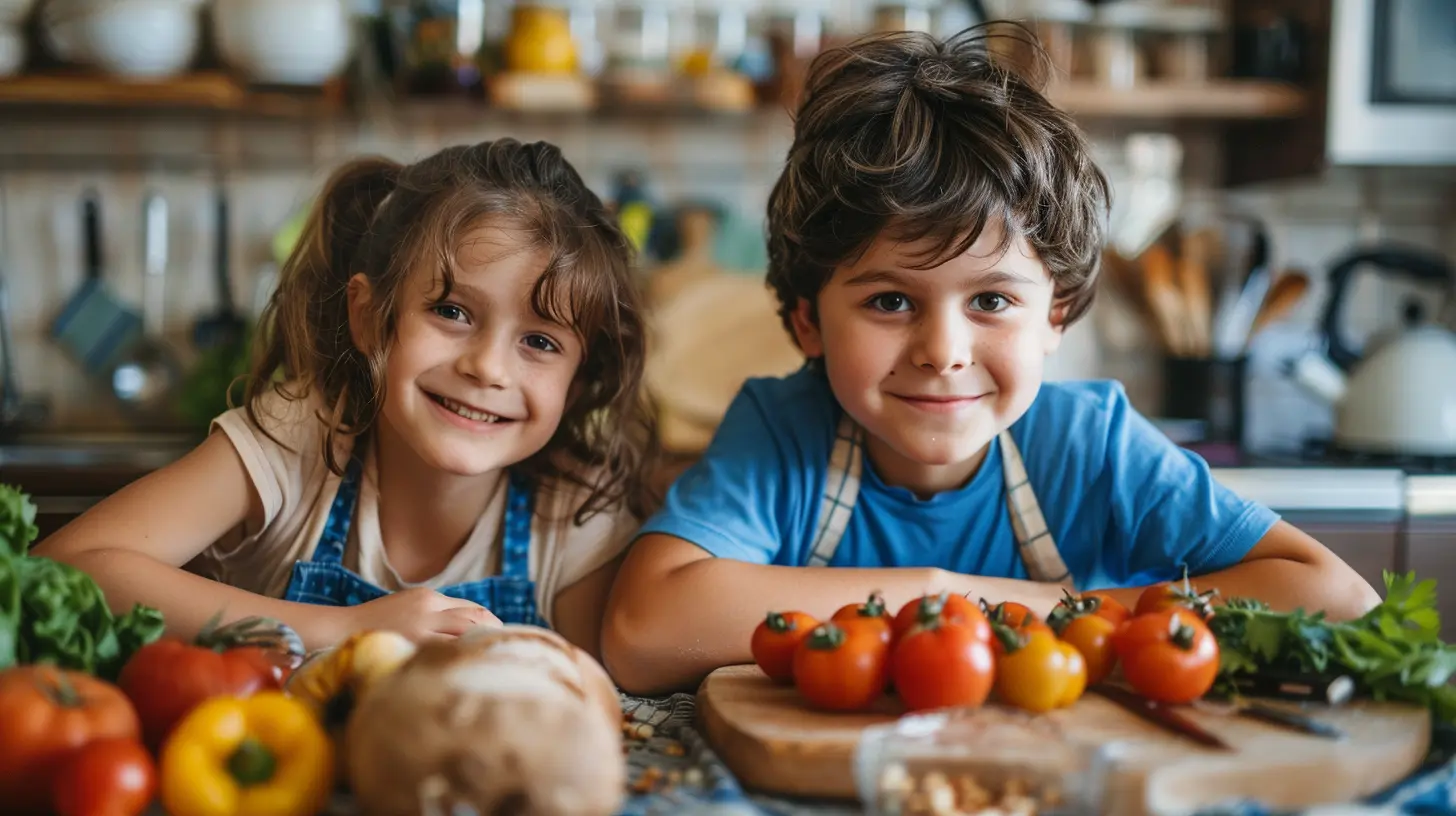
Why the Kitchen Is a Better Classroom Than It Gets Credit For
Habits stick when three conditions line up: the behavior is repeated often, the environment cues it, and the person feels some ownership over it. Cooking hits all three in ways that most childhood activities do not.Consider what actually happens during a simple weekend pancake session. The child reads or hears a sequence (wet ingredients, dry ingredients, rest the batter). They measure, which requires attention to quantity and units. They wait, which is a low-stakes rehearsal for delayed gratification. They observe cause and effect (too much mixing makes tough pancakes; a hot pan browns faster than a warm one). They clean up, which is the unglamorous half of almost every adult competency. And they eat the result, which closes the loop with a concrete reward.
Compare that to a worksheet on fractions. The worksheet teaches fractions. The kitchen teaches fractions plus patience plus hygiene plus the emotional skill of recovering when something burns. The density of lessons per minute is simply higher.
There is a second reason the kitchen works: it is a real place with real stakes. Children are remarkably good at detecting when an activity is fake or condescending. Cooking is not. If the muffins do not rise, everyone knows. That authenticity is what makes the habits transferable. A child who learns to check the oven timer because the muffins depend on it is practicing a form of responsibility that generalizes to homework, chores, and eventually a job.
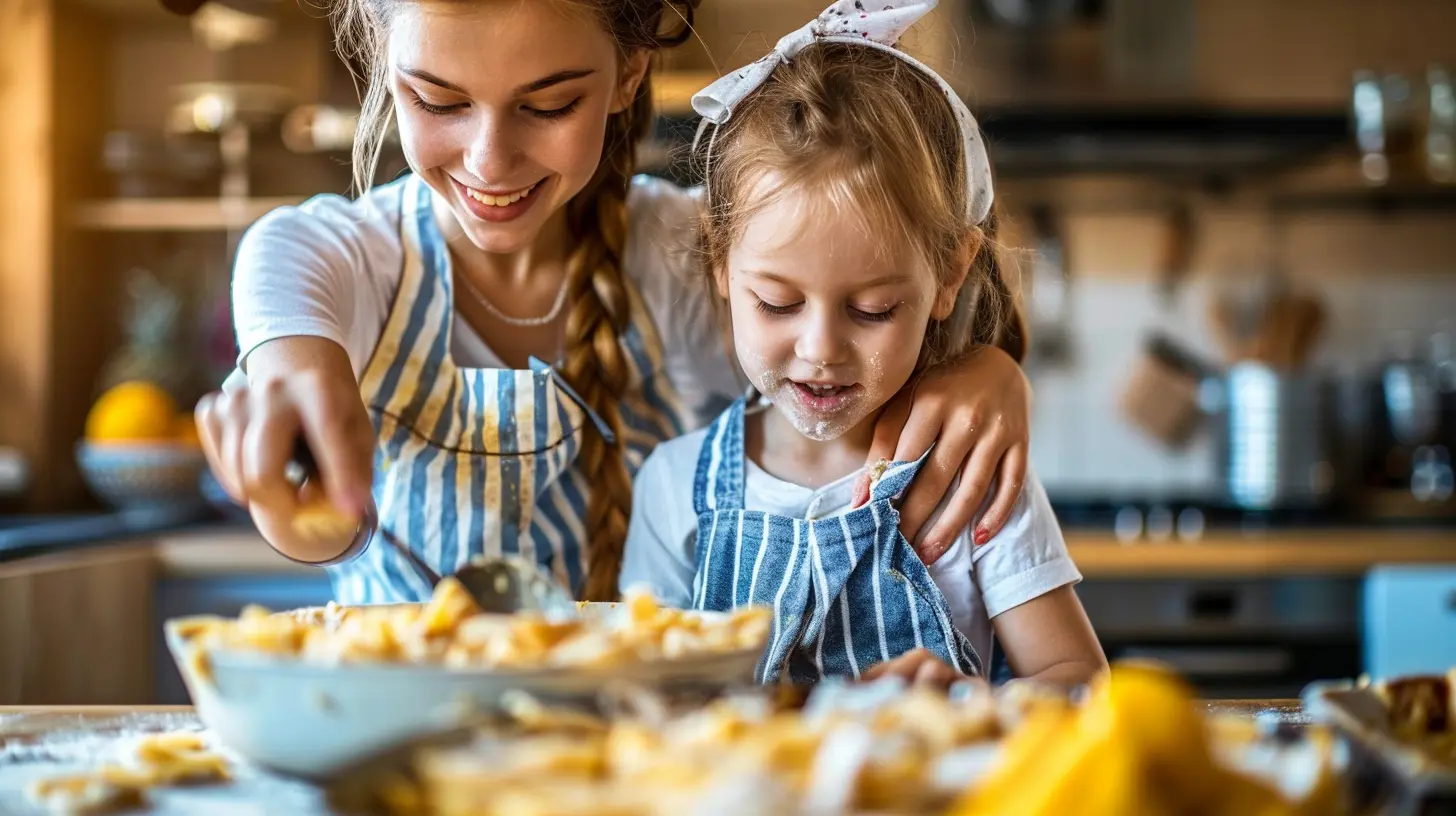
The Habit Framework: What You Are Actually Building
Before planning a single recipe, it helps to know which habits you are targeting. Most parents default to "teaching kids to cook," which is a skill goal. The more durable goal is building habits that outlast the recipes. Here is a practical breakdown.Habits of sequence and planning
Mise en place, the practice of prepping ingredients before cooking, is the single best habit to teach early. It forces a child to read a recipe, anticipate what comes next, and set up before acting. Adults who cook well almost always do this instinctively. Children who learn it young carry a planning reflex into other domains. The trade-off is that mise en place slows everything down, which can be frustrating for a parent who just wants dinner made. On weekends, the slower pace is the point.Habits of measurement and attention to detail
Baking is the better teacher here because it is less forgiving. Cooking allows improvisation; baking punishes it. A child who learns that a level teaspoon matters, and then sees a cookie spread too flat because they guessed, has learned something about precision that no lecture delivers as efficiently. Use baking for precision habits and stovetop cooking for judgment habits. Do not expect one to teach the other.Habits of hygiene and safety
Handwashing, keeping raw meat separate, tasting with a clean spoon, and knowing which tools are hot are habits built through repetition, not instruction. The common mistake is explaining safety rules once and assuming they stuck. They do not. Safety habits need to be built into the routine itself, so the child performs them automatically. Put the handwashing step at the very start of the session, every time, and it becomes part of the ritual rather than a rule.Habits of cleanup and ownership
The cleanup habit is the one most parents skip, and it is the most valuable. A child who cooks but never cleans learns that someone else handles the consequences. Assign cleanup as part of the job, not as a punishment. The habit you are building is "I finish what I start," which is a general-purpose life skill disguised as dish duty.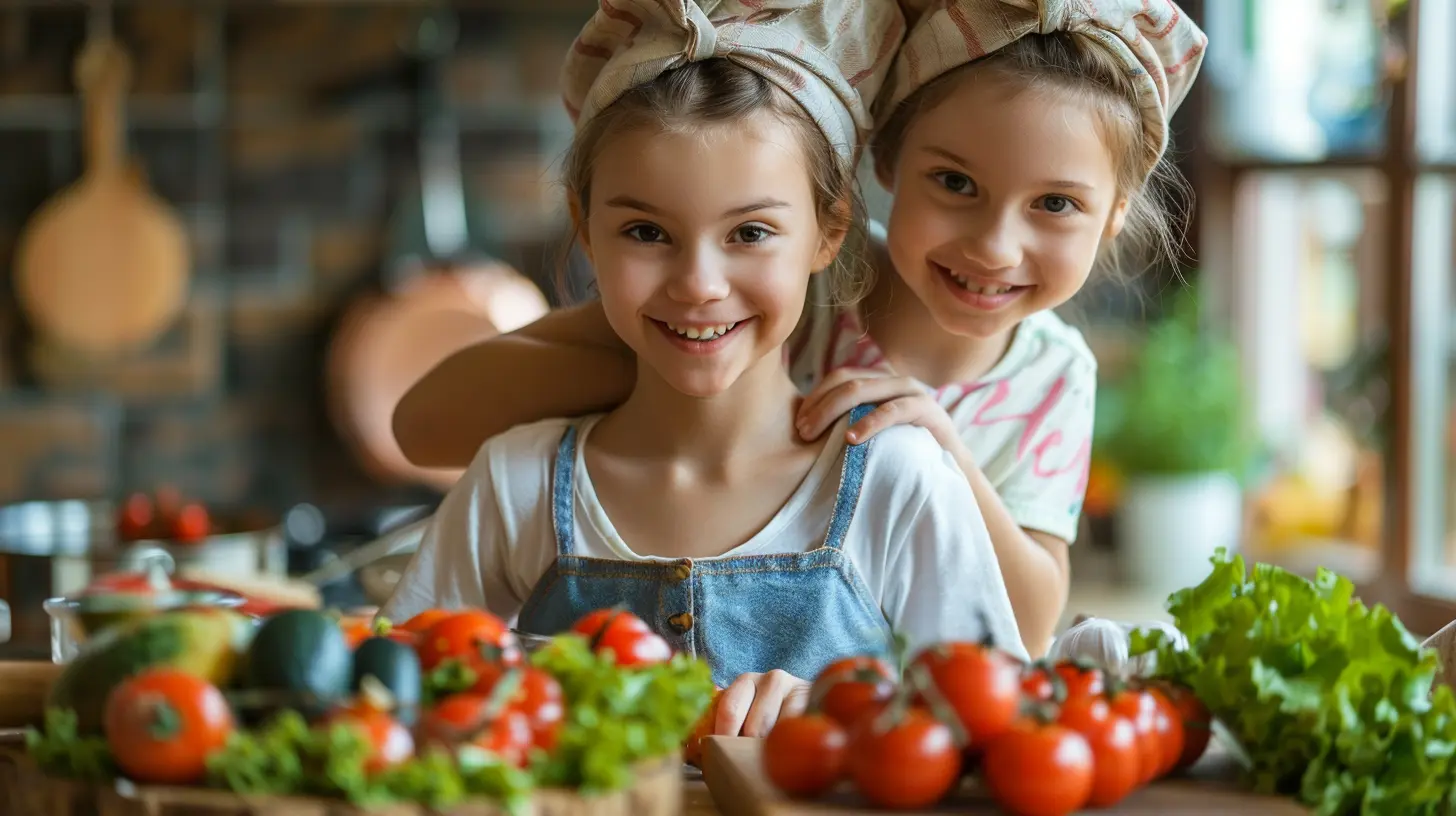
How to Choose Recipes That Actually Work
The recipe is the curriculum. Choose badly and the session collapses into frustration. Choose well and the habits build themselves.The right complexity curve
Start with recipes that have three to five steps and a visible result within 30 to 45 minutes. Pancakes, quesadillas, simple pasta with a jarred sauce the child can doctor up, fruit salads with a yogurt dressing, and no-bake energy bites all fit. These are not glamorous, but they teach the core loop: prep, execute, finish, clean.As the child gains competence, increase one variable at a time: more steps, longer cook times, or more judgment calls. Do not increase all three at once. A child who can make pancakes is ready for scrambled eggs with a vegetable add-in, not for a three-course meal.
What to avoid early
Recipes with long passive waiting times, like bread with multiple rises, are poor first projects because the child disengages and the habit loop breaks. Recipes with raw meat handling are better introduced after hygiene habits are solid. And recipes that require constant adult intervention defeat the purpose, because the child becomes a spectator.The "one new thing" rule
Each session should introduce exactly one new skill or ingredient. If the child is learning to use a knife safely, keep everything else familiar. If they are trying a new cuisine, use tools they already know. This is the same principle as progressive overload in fitness, and it works for the same reason: the brain consolidates one new pattern at a time.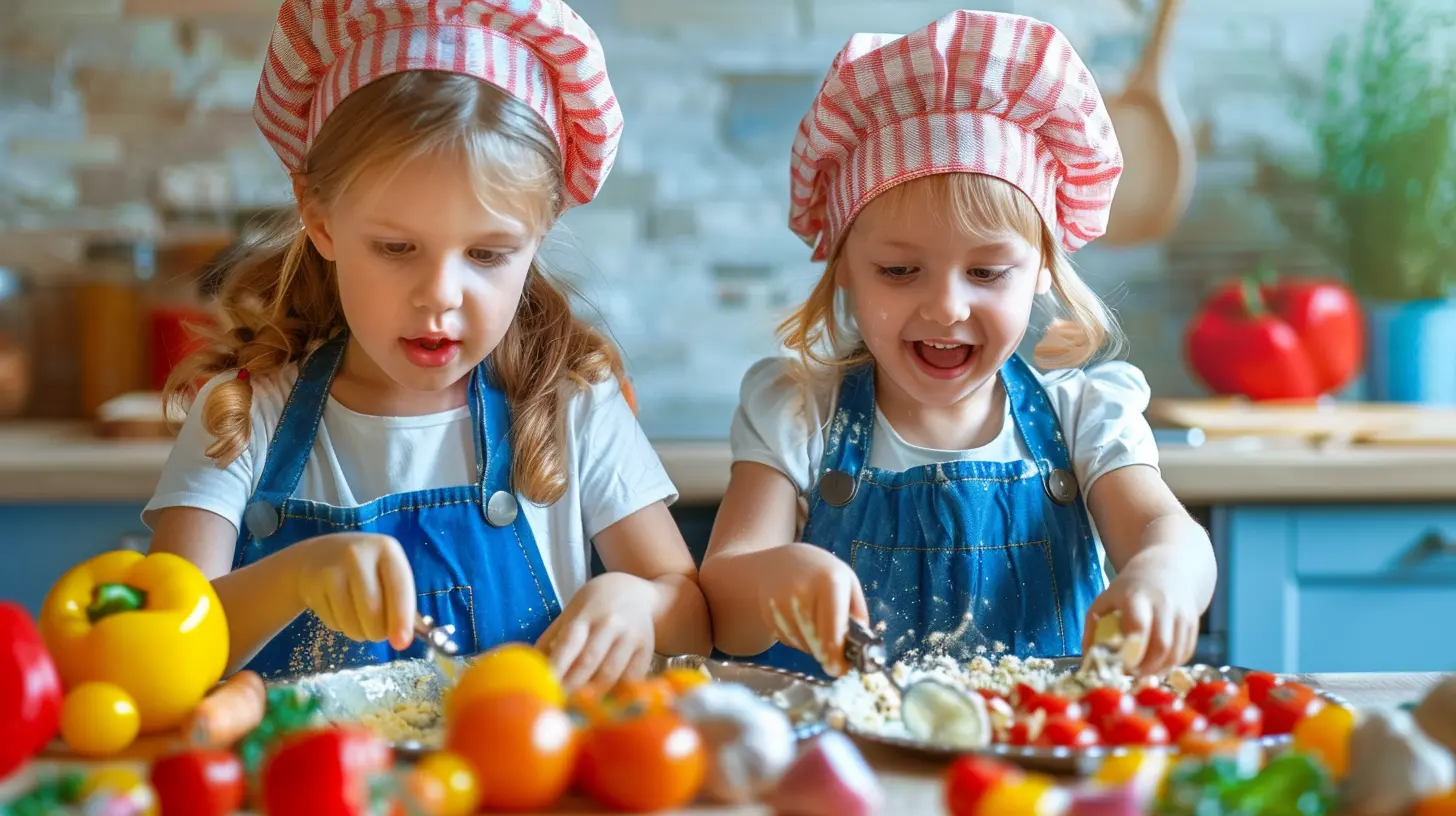
Age-Appropriate Tasks: A Practical Map
Age guidance is approximate, and children vary widely. Use this as a starting point, not a rulebook.Ages 3 to 5: Rinsing vegetables, tearing lettuce, stirring cold ingredients, mashing soft fruit, pouring pre-measured ingredients, and setting the table. The goal at this age is participation and comfort in the kitchen, not output.
Ages 6 to 8: Measuring with supervision, cracking eggs (accept the shell fragments), spreading, simple cutting with a child-safe knife, and assembling. This is the sweet spot for building the sequence habit, because the child can follow a short recipe with reminders.
Ages 9 to 11: Reading a recipe independently, using a stove with supervision, basic knife skills with proper technique, and planning a simple meal. This is when ownership habits take root, so let them make real decisions, including ones that turn out badly.
Ages 12 and up: Full meal planning, budgeting for ingredients, multi-dish timing, and cleanup leadership. At this stage the parent's role shifts from instructor to sous chef, which is uncomfortable for many parents and essential for the child.
The Parent's Role: Scaffold, Don't Steer
The most common failure mode in cooking with kids is the parent taking over. It happens for understandable reasons: efficiency, perfectionism, and the genuine desire for the child to succeed. But taking over teaches the child that their effort is a formality and that the real work belongs to the adult.Think of your role as scaffolding. You provide structure, safety, and the occasional correction, but the child does the work. This means accepting outcomes that are worse than what you would have produced. Lopsided cookies. Over-salted soup. A kitchen that looks like a small weather event passed through.
The trade-off is real: a child-led cooking session takes roughly twice as long and produces food that is roughly 70 percent as good as what you would make alone. The return on that investment is a child who, by age twelve, can feed themselves and understands that competence is earned through repetition. Most parents find that trade worth making once they see it clearly.
When to intervene
Intervene for safety, always. Intervene for technique when the child is about to repeat a mistake that will ruin the result and demoralize them. Otherwise, let the small failures happen. A burnt grilled cheese is a cheap lesson. A parent who swoops in every thirty seconds is an expensive one.The debrief habit
After the meal, ask two questions: what worked, and what would you do differently. Keep it short and curious, not evaluative. This is the reflection step that turns an activity into a habit, because it forces the child to notice their own process. Over time, they start asking the questions themselves before you do.
Common Mistakes and Misconceptions
Mistake: Treating it as a performance. If the goal is a beautiful photo or a perfect dish, the child senses it and the pressure kills the joy. The goal is repetition and ownership. Aesthetics can come later.Mistake: Skipping the cleanup. Covered above, but worth repeating because it is the most frequently abandoned step. Cleanup is not optional and not a punishment. It is the second half of the job.
Mistake: Only cooking "kid food." Children are capable of eating and enjoying real food. Limiting weekend cooking to pizza and cookies teaches them that their participation is a novelty, not a contribution. Rotate in savory dishes and let them taste things they helped make.
Misconception: Kids need special equipment. Child-safe knives are useful, but a stool at the counter, a sturdy bowl, and a small pair of hands handle most tasks. Do not let gear shopping delay starting.
Misconception: It has to be a big production. A fifteen-minute weekend breakfast counts. Consistency beats spectacle. Ten small sessions build more habit than one elaborate baking project per season.
Mistake: Correcting constantly. Constant correction turns cooking into a test. Save corrections for safety and for the one skill you are actively teaching that day. Let the rest go.
Making It Stick: Building the Weekend Ritual
Habits need a cue and a slot. Pick a consistent weekend window, ideally the same one each week, and treat it as a standing appointment. Saturday morning breakfast is the easiest entry point because the stakes are low and the reward is immediate.Keep a short rotation of three or four recipes the child can make with decreasing supervision. Repetition is not boredom; it is how mastery develops. A child who makes the same pancakes eight weekends in a row will eventually own that recipe completely, and that ownership is the habit you are after.
Involve the child in choosing the recipe, at least from a short list you have pre-screened. Choice builds commitment. A child who picked the meal is far more likely to see it through and to clean up afterward.
Finally, resist the urge to grade the results. The habit you are building is not "makes good food." It is "shows up, does the work, finishes the job, and reflects on it." That habit will outlast every recipe in your rotation, and it will show up in places you never expected.
all images in this post were generated using AI tools
Category:
Nutrition For KidsAuthor:

Maya Underwood