Building Teamwork Skills at Home with Group Chores
7 July 2026
Let’s be honest—getting your kids to do chores isn’t exactly a walk in the park. You ask them to pick up their toys, and suddenly everyone's an expert in time travel... disappearing for hours. But what if we flip the script? What if chores weren’t just chores, but an opportunity to bond, laugh, and actually teach your kids valuable life skills like teamwork?
Yep, you read that right. Teamwork.
Think about it: every time your family tackles a task together—whether it's washing the car, raking leaves, or folding laundry—you’re not just cleaning up a mess. You’re building communication, cooperation, patience, and trust. And the best part? You’re doing it right in your living room (or kitchen, or garage).
Let’s dive into how building teamwork skills at home with group chores can turn your daily routine into a powerhouse for growth—and maybe even a little fun.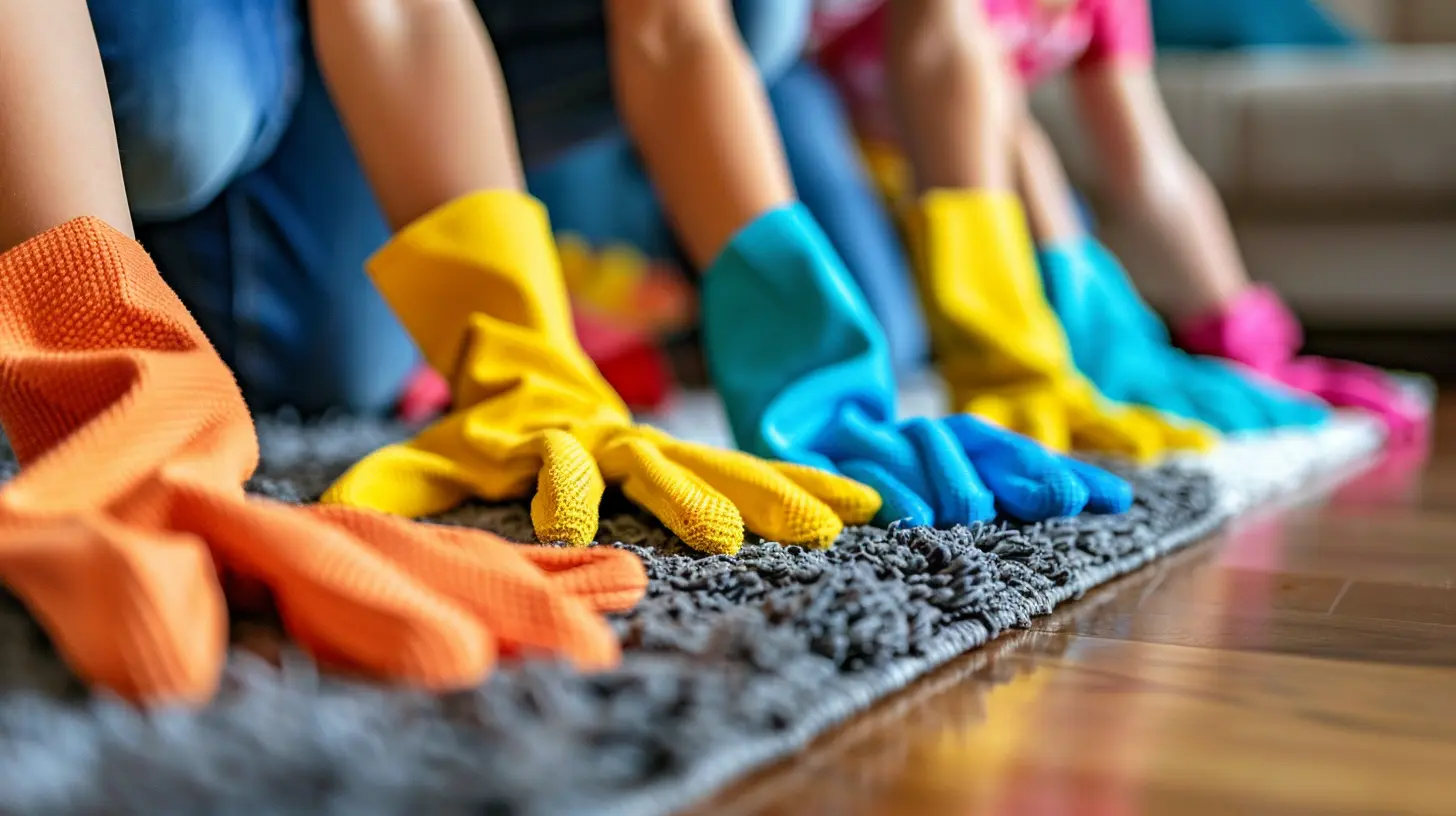
Why Teamwork Matters in the Home
Teamwork isn't just for sports teams or office jobs. It's a life skill. Kids who understand how to work with others are better problem solvers, more empathetic, and honestly, just easier to live with.In a home setting, teamwork can make everyday life smoother. There's less arguing over who does what, more willingness to help out, and a stronger sense of family unity. You're not just raising kids—you’re raising future roommates, colleagues, and partners.
So why not start teaching them to work together now?
The Power of Group Chores
Group chores are the perfect training ground for teamwork. When you assign tasks that require family members to collaborate—like setting the table together or organizing a garage sale—it forces them to communicate and coordinate.Plus, it sends a clear message: “We’re all in this together.” Nobody’s the boss, and nobody gets a free ride. It’s about shared effort, shared responsibility, and yeah, shared rewards too.
And trust me—once they experience the satisfaction of completing something as a team, they just might actually want to do it again.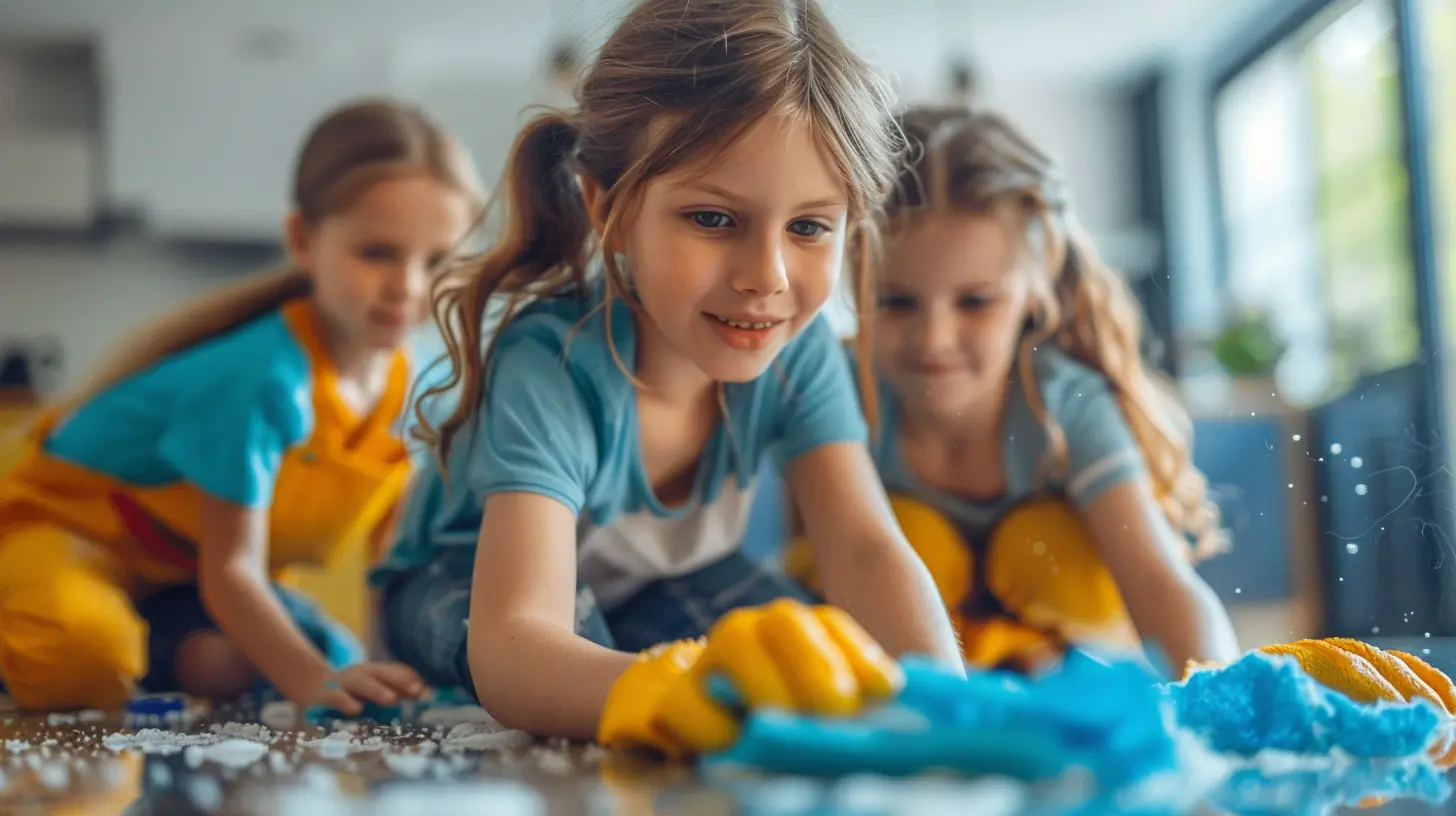
Benefits of Building Teamwork Through Chores
Still on the fence? Let’s break down some of the real-life benefits your kids (and you) get from doing chores as a team.1. Communication Skills Level-Up
Ever watched two kids try to untangle a garden hose without talking? Chaos.Group chores force them to talk, listen, and negotiate. Whether they're figuring out who vacuums first or how to work the washing machine, they’re practicing real-life communication.
2. Problem Solving Made Fun
When kids work together on a task, unexpected issues pop up. (Why is there glitter in the vacuum again?) Solving these problems as a team turns frustration into collaboration.Over time, they’ll get better at thinking on their feet and looking for solutions instead of pointing fingers.
3. Emotional Intelligence Gets a Boost
Team chores teach empathy and patience. If your son sees his little sister struggling to carry a laundry basket, and he steps in to help—well, that’s emotional growth right there.Understanding how others feel, and knowing when to offer help, are critical parts of teamwork.
4. Accountability and Responsibility
When everyone has a role, everyone feels responsible. No hiding. Everyone shows up.And when the job's done, they all get to feel that sense of pride together. That’s powerful.
5. Stronger Family Bonds
Let’s face it—bonding doesn’t always have to happen on a beach vacation. Sometimes it happens when you're all elbow-deep in dishwater, laughing about who left spaghetti stuck to the plate.Doing things together builds relationships. Period.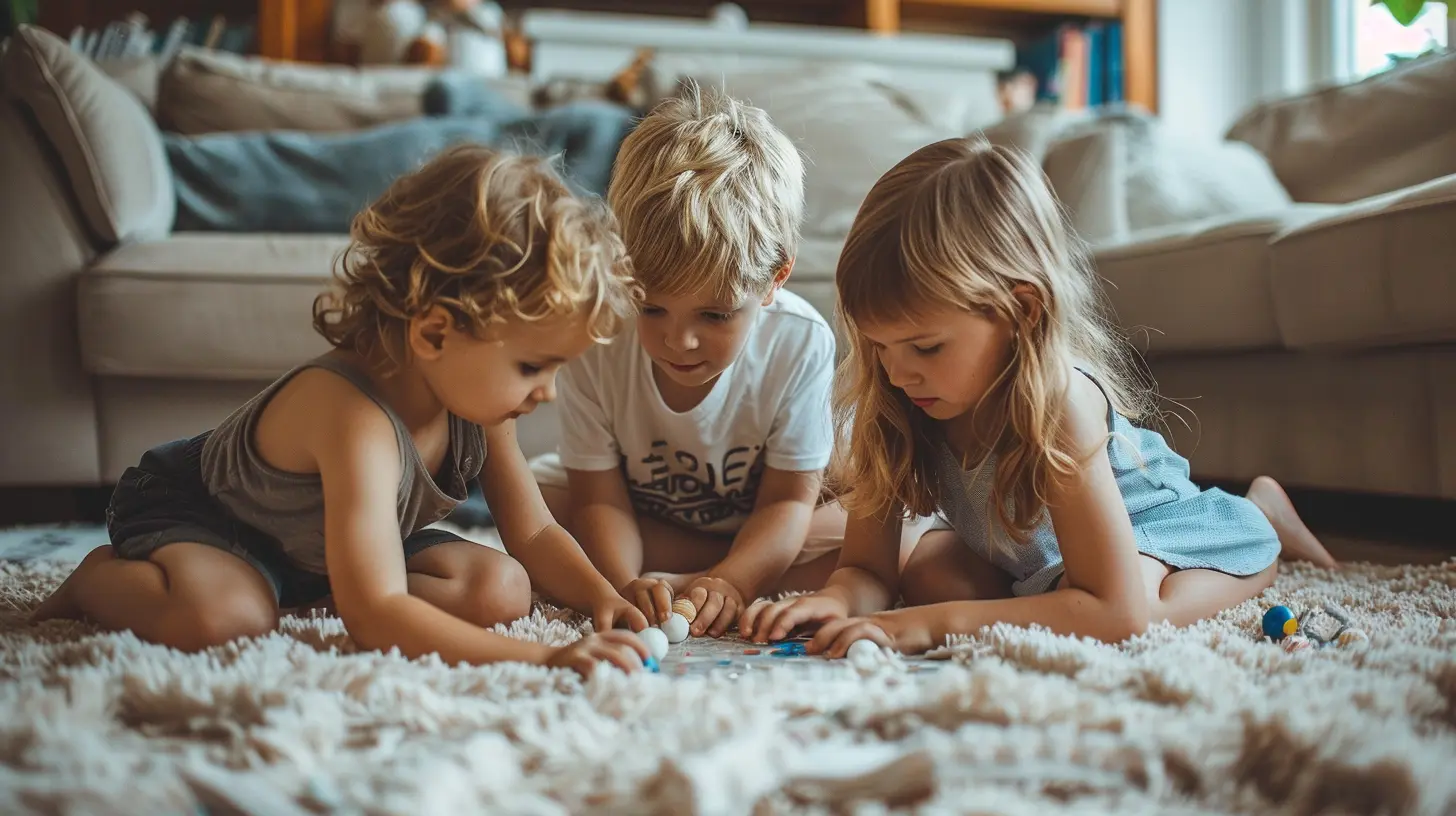
How to Get Started with Group Chores
Alright, ready to jump in? Here’s how to turn group chores into a family affair (without losing your sanity).Step 1: Set Clear Expectations
Start by having an honest family meeting. Talk about why teamwork matters, explain the concept of group chores, and get everyone’s input.The goal isn’t dictatorship—it’s collaboration. When kids feel heard, they’re way more likely to participate willingly.
Step 2: Assign Age-Appropriate Roles
You wouldn’t ask your 4-year-old to mow the lawn, right? (Let’s hope not.)Make sure each child has a task that’s suitable for their age and ability. Younger kids can sort socks or wipe tables, while older ones can handle more complex roles like cooking or organizing.
Pair up siblings to encourage mentoring and cooperation.
Step 3: Rotate Tasks to Keep It Fresh
Nobody wants to do dishes every single night (do you?). Rotate tasks weekly or bi-weekly so things don’t get stale. This also keeps everyone flexible and well-rounded.Step 4: Make it Routine—but Not Boring
Establish a regular schedule for group chores—maybe every Saturday morning or Sunday evening. Let it become a habit.But throw in small twists to keep it fun: play music, turn it into a timed challenge, or offer small incentives like “family movie night” tokens.
Step 5: Celebrate the Wins
Finished cleaning the garage together? Pizza night.Organized the pantry as a team? Ice cream for everyone.
Celebrate the victories—big or small. It reinforces the idea that hard work and cooperation pay off.
Group Chore Ideas for Team Building
Stuck on what chores to turn into team efforts? Here are some ideas that are both practical and great for teaching teamwork:1. Family Cleaning Blitz
Set a 30-minute timer and assign zones (kitchen, living room, bathroom). Everyone cleans their area, then switches to help with another.Fast, productive, and oddly satisfying.
2. Garden Squad
Weeding, planting, watering—gardening is a fantastic way to work together and see the fruits (literally) of your labor.Plus, soil under the nails never hurt anybody.
3. Laundry Lineup
Have one kid sort, another fold, and a third put away. Rotate roles every time you do laundry together.It’s like a laundry assembly line—but with more giggles.
4. Room Reshuffle
Rearranging a room or decluttering toys? That’s a team project. Assign categories (trash, donate, keep), and let each kid be the “captain” of a pile.5. Cooking and Kitchen Duty
Let them plan a meal together, prep the ingredients, set the table, and clean up. Running a mini “restaurant at home” teaches timing, communication, and division of labor.Common Challenges (and How to Handle Them)
Let’s be real—group chores won’t be all sunshine and rainbows every time. Here’s how to deal with the bumps in the road:“I Did More Than Them!”
Sibling rivalry alert. If one child feels they’re doing more, talk it out. Review the chore list and adjust if needed. Emphasize fairness, but remind them it's not a competition.“This is Boring!”
Switch it up. Add fun elements like music, contests, or themed clean-up days (pirate treasure hunt, anyone?). Variety keeps them engaged.“They Won’t Listen to Me!”
If older and younger siblings are paired, remind them they’re a team—not a boss and an assistant. Encourage mutual respect and model it during family tasks.Teaching Teamwork Without Preaching
Kids don’t want a lecture—they want action. Show them teamwork by doing it with them.Be part of the group chore. Let them see you compromise, listen, and lend a hand. You are their first and most powerful model of teamwork.
And don’t just praise the clean floors—praise the communication, the helping hand, the patience shared. That’s the real gold.
Wrapping Up: Turning Chores Into Life Lessons
You don’t need a fancy program or chore chart explosion to teach your kids teamwork. All you need? A little patience, a lot of laughs, and the willingness to turn daily tasks into team-building experiences.When your kids grow up and join the workforce, start relationships, or even raise families of their own, they'll thank you—not just for teaching them how to load a dishwasher, but for showing them how to be part of something bigger than themselves.
So next time you’re knee-deep in laundry or scrubbing sticky cereal off the floor, remember this: You’re not just cleaning the house. You’re building a team.
And that’s pretty amazing.
all images in this post were generated using AI tools
Category:
Kids And ChoresAuthor:

Maya Underwood
Discussion
rate this article
1 comments
Nathan Richardson
Teamwork nurtures bonds and responsibility.
July 7, 2026 at 5:02 AM
Maya Underwood
Absolutely! Group chores not only teach responsibility but also strengthen relationships among family members.