Benefits of Outdoor Play for Preschool Development
15 August 2026
As parents, we crave the best for our little ones. We want them to grow, learn, and thrive in every way possible. But in today’s digital world, where screens often dominate playtime, it’s easy to forget the magic of outdoor play.
The truth? Playing outside isn’t just about fun—it’s essential for your preschooler’s growth. From building strong muscles to boosting creativity, outdoor play lays the foundation for a healthy and happy childhood. So, let’s dive into the amazing benefits of outdoor play and why it should be a top priority in your child’s daily routine. 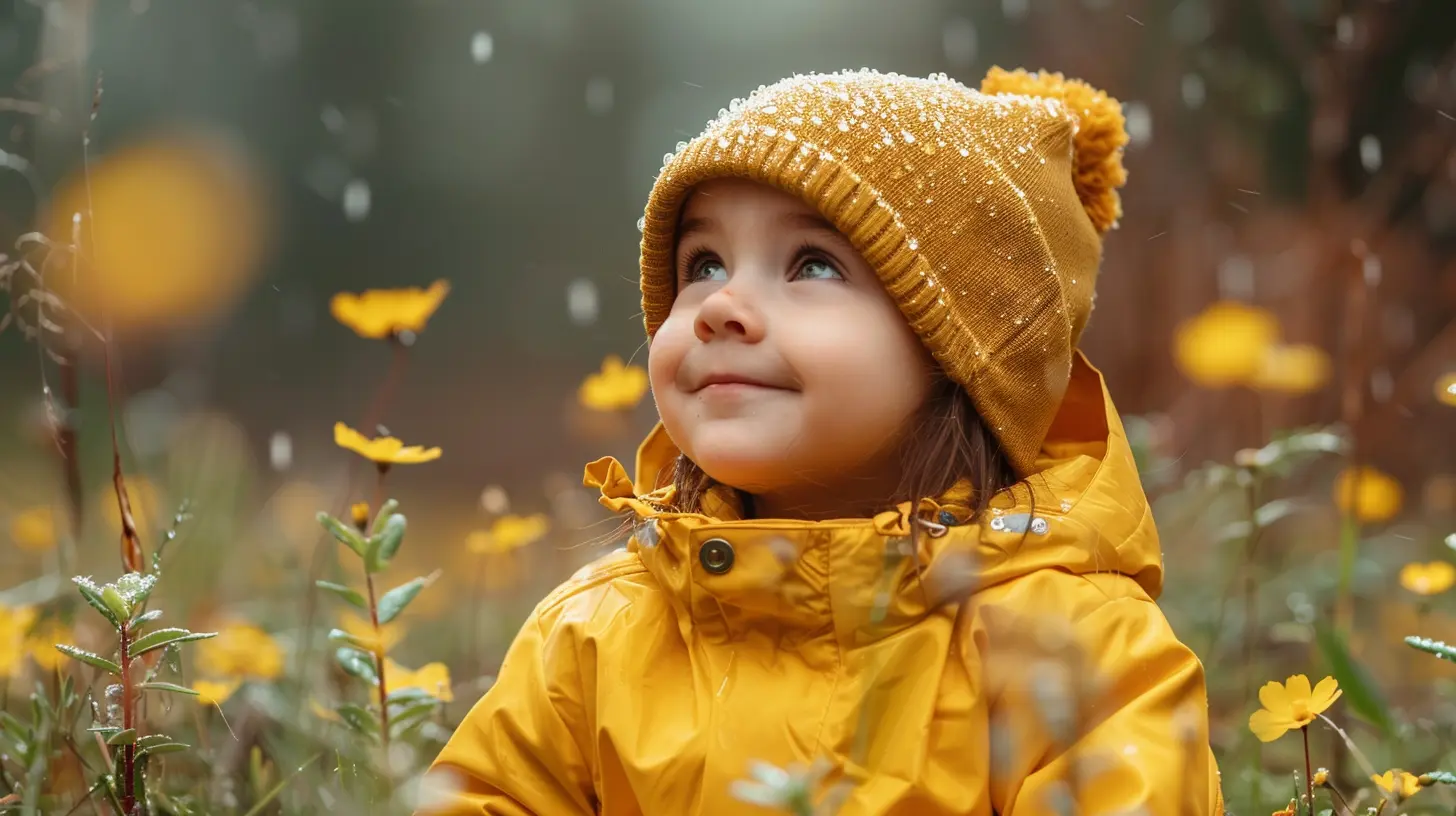
1. Builds Stronger Bodies and Better Health
Kids are natural movers. They love to run, jump, climb, and explore. And guess what? All that activity does wonders for their health!Encourages Physical Fitness
Outdoor play keeps preschoolers active, helping them develop strong muscles and bones. Running around the park, riding a bike, or playing tag increases their heart rate, improving cardiovascular health. Plus, it’s a much-needed break from sitting indoors.Boosts Immune System
Fresh air and sunshine can work magic on your child’s immune system. Exposure to natural elements strengthens their defenses, making them less prone to colds and infections. And let’s not forget about the “sunshine vitamin” (Vitamin D), which supports bone growth and overall health.Improves Coordination and Motor Skills
Climbing a jungle gym, balancing on a log, or kicking a ball—all these activities enhance hand-eye coordination, agility, and fine motor skills. The more they move, the more control they gain over their bodies.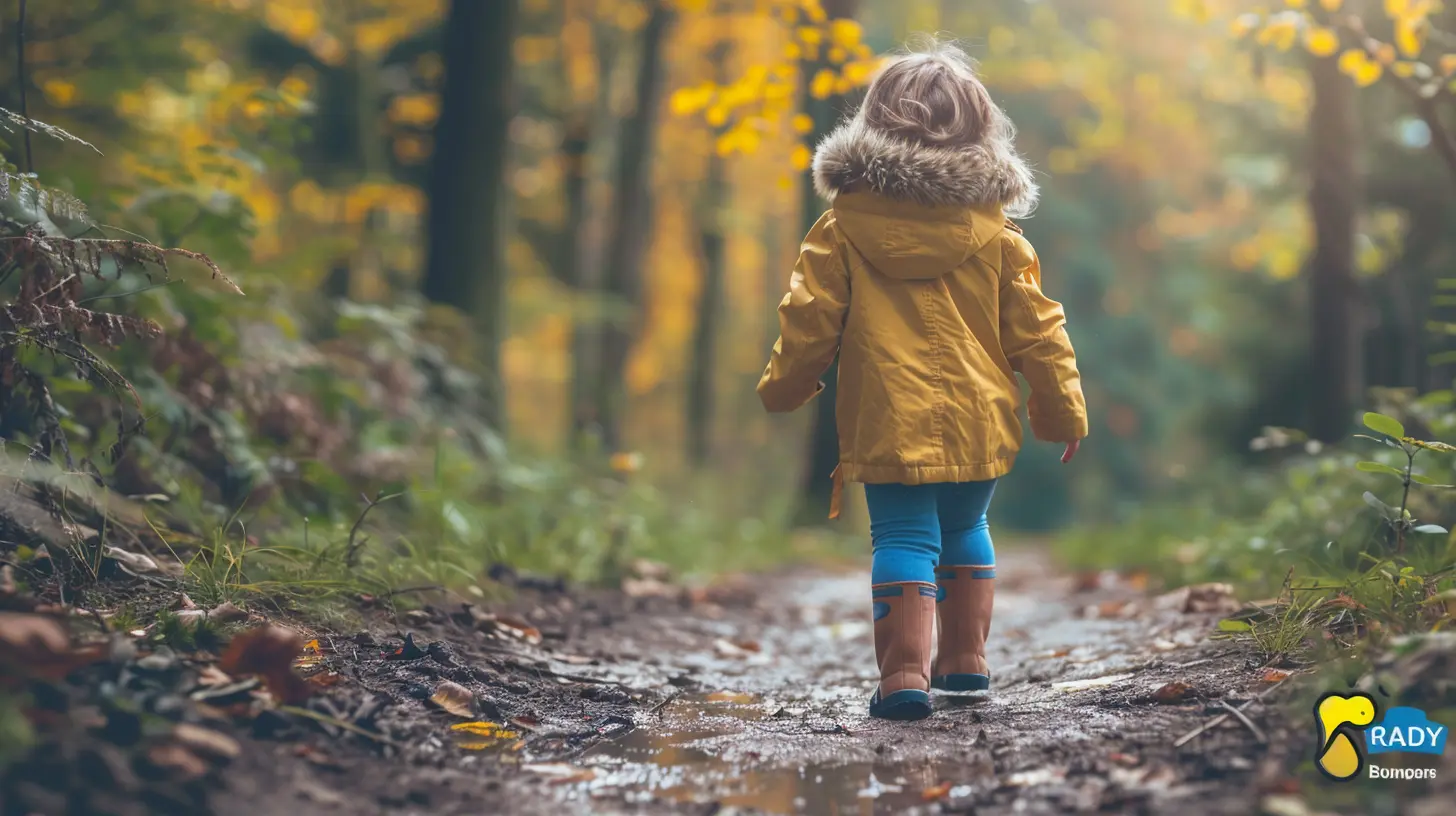
2. Enhances Social Skills and Emotional Well-Being
Ever watched kids at a playground? They interact, take turns, negotiate, and sometimes even solve tiny "crises" (like who gets to go down the slide first). Outdoor play is a natural teacher when it comes to social and emotional development.Encourages Teamwork and Cooperation
Playing with other kids teaches preschoolers valuable lessons about sharing, taking turns, and working together. Whether they’re building a sandcastle or playing hide-and-seek, they learn important social skills that will serve them for life.Builds Confidence and Independence
Outdoor environments offer opportunities for preschoolers to take small risks—whether it’s climbing higher on the jungle gym or figuring out how to balance on a beam. Every little achievement boosts their confidence and makes them more independent.Reduces Stress and Anxiety
Let’s face it—kids can feel stressed too! Being outside in nature has a calming effect, reducing anxiety and improving mood. The open space, fresh air, and unstructured playtime work like therapy for little minds.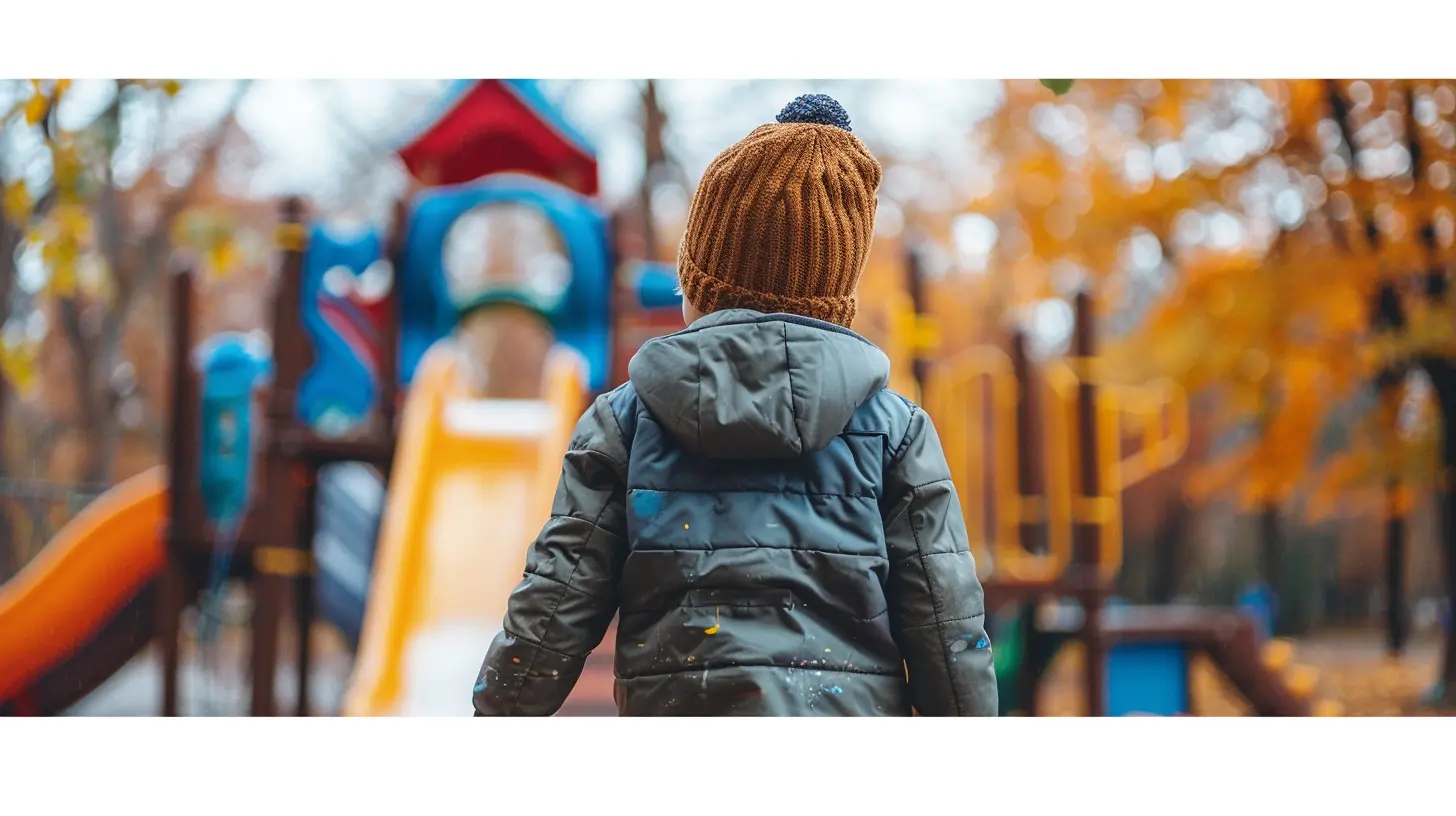
3. Sparks Creativity and Imagination
Give a child an open outdoor space, and they’ll turn it into a kingdom, a pirate ship, or a secret hideout. Unlike structured indoor activities, outdoor play encourages open-ended creativity.Encourages Inventive Play
Nature is the best playground! A simple stick can become a magic wand, a rock can be a treasure, and a pile of leaves can turn into a cozy bed. Outdoor play nurtures imagination like nothing else.Inspires Problem-Solving Skills
Ever seen kids try to build a fort with branches or figure out the best way to climb a tree? These little challenges teach problem-solving skills and critical thinking. They learn to assess risks, find solutions, and think outside the box.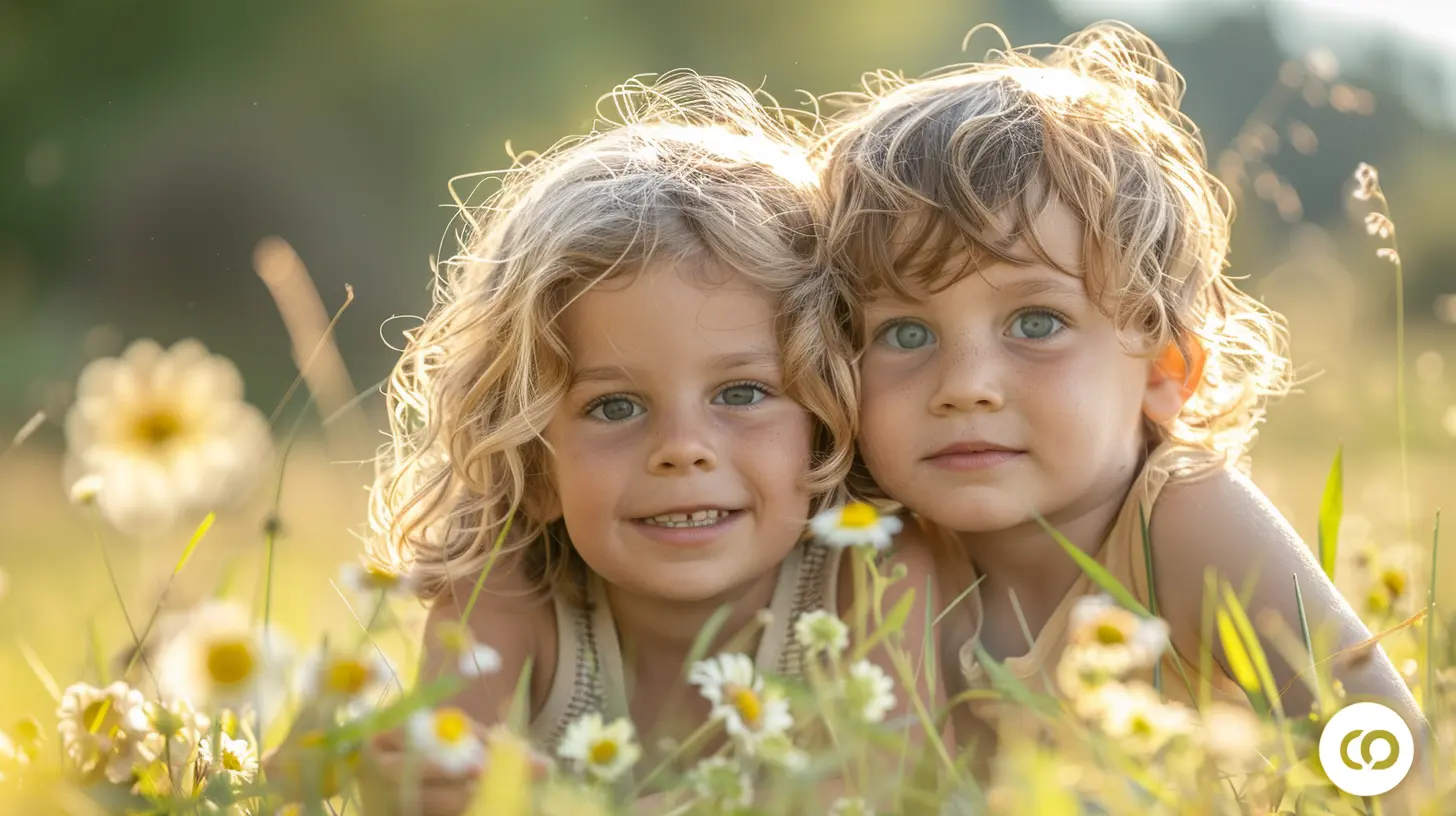
4. Supports Cognitive Development
Outdoor play isn’t just about physical activity—it’s a brain booster too! When kids explore nature and play freely, they develop cognitive skills that impact their learning abilities.Improves Attention Span
Studies show that children who play outside regularly have better focus and attention spans. The natural environment stimulates curiosity and allows kids to concentrate better when they return to structured learning.Encourages Curiosity and Exploration
Nature is full of mysteries waiting to be discovered. Watching a butterfly land on a flower, feeling the texture of tree bark, or digging for worms—every outdoor adventure is a hands-on science lesson.Supports Language Development
Outdoor play sparks conversations! Kids describe what they see, ask questions, and create stories about their adventures. This natural dialogue helps expand their vocabulary and improve communication skills.5. Strengthens Sensory Development
Preschoolers learn best through their senses—touching, smelling, seeing, hearing, and tasting. Outdoor play provides endless sensory experiences that help their brains develop.Engages All Five Senses
Unlike sterile indoor environments, the outdoors is rich with textures, sounds, and smells. Feeling the roughness of tree bark, hearing birds chirp, or smelling fresh grass stimulates sensory development in ways no screen ever could.Improves Balance and Spatial Awareness
Rolling down a hill, climbing over rocks, or walking on uneven ground helps kids understand their bodies in space. This improves balance, coordination, and movement control.6. Fosters a Love for Nature and the Outdoors
The more time kids spend outside, the more they appreciate nature. And in a world where environmental awareness is crucial, raising nature-loving children is a huge win.Encourages Environmental Awareness
When kids interact with nature, they develop a sense of responsibility for the environment. They learn to respect plants, animals, and ecosystems—lessons that will shape their future attitudes toward the planet.Creates Lifelong Outdoor Habits
Kids who grow up enjoying outdoor play are more likely to stay active and connected with nature as they grow older. This sets the stage for a healthy and balanced lifestyle in adulthood.Final Thoughts
Outdoor play isn’t just a pastime—it’s a necessity for preschool development. It builds strong bodies, sharpens minds, nurtures social skills, and fuels imagination. More importantly, it provides joy, freedom, and a sense of adventure that every child deserves.So, the next time your little one begs to play outside, embrace it! Swap screen time for sunshine, ditch the structured activities, and let them run wild. Their growing minds and bodies will thank you.
all images in this post were generated using AI tools
Category:
Parenting PreschoolAuthor:

Maya Underwood
Discussion
rate this article
1 comments
Daniella Lamb
This article beautifully highlights the importance of outdoor play in early childhood development. It's inspiring to see how nature can nurture creativity and social skills in preschoolers. Encouraging our kids to explore the great outdoors not only enhances their physical health but also fosters their emotional well-being. Thank you for sharing!
August 19, 2026 at 4:48 PM